Washington D.C. – The United States government shutdown has officially entered its 12th day as of Sunday, October 13, 2025, with no clear resolution in sight. The prolonged impasse in Congress has led to the visible closure of iconic American institutions, including all Smithsonian museums and the National Zoo, impacting tourism and public access to national treasures.
Legislative Gridlock Deepens
The shutdown, which commenced on October 1, 2025, stems from a failure by Congress to pass essential appropriations legislation for the upcoming fiscal year. Deep partisan disagreements over federal spending levels, foreign aid, and critical healthcare subsidies have created a deadlock. The Senate has seen multiple votes on competing funding proposals, including a Republican-backed measure to fund the government until November 21 and Democratic alternatives aiming for extensions through October 31, all of which have failed to gain sufficient bipartisan support. House Republicans have largely remained out of Washington, with Speaker Mike Johnson having extended their break, placing pressure on Senate Democrats to compromise. This political standoff has left hundreds of thousands of federal workers in a state of uncertainty.
Federal Workforce Faces Uncertainty and Layoffs
The consequences for the American federal workforce are becoming increasingly severe. Vice President JD Vance acknowledged the growing crisis, warning on Sunday that “deeper cuts” to the federal workforce are inevitable the longer the shutdown persists. “This is not a situation that we relish,” Vance stated, while also criticizing Democrats, accusing them of “hostage-taking” over the funding dispute. Official court filings revealed that the Trump administration has begun issuing reduction-in-force (RIF) notices to over 4,000 federal employees across seven agencies, including Commerce, Education, and Energy. While some layoff notices, such as those issued to CDC employees, were later rescinded due to a coding error, labor unions have already initiated lawsuits to challenge the legality of these aggressive layoff procedures. An estimated 900,000 federal employees are expected to be furloughed, with another 700,000 potentially working without pay.
Cultural Landmarks and Public Services Affected
The tangible impacts of the shutdown extend to the nation’s cultural heritage. The Smithsonian Institution announced that its 19 museums, 14 research centers, and the National Zoo would temporarily close to the public starting Sunday, October 12. These institutions had managed to stay open for 11 days by utilizing prior-year funds, but those reserves were depleted. While essential animal care at the zoo will continue, public access to world-renowned exhibits, such as those at the National Air and Space Museum and the National Museum of Natural History, has ceased. Even the popular live webcams of the zoo’s animals, including the giant pandas, have gone dark due to federal staff being unable to operate them. Beyond cultural sites, national parks are operating with limited services, and various government functions, including data releases and small business loan processing, have been disrupted.
Presidential Actions and High-Profile Diplomacy
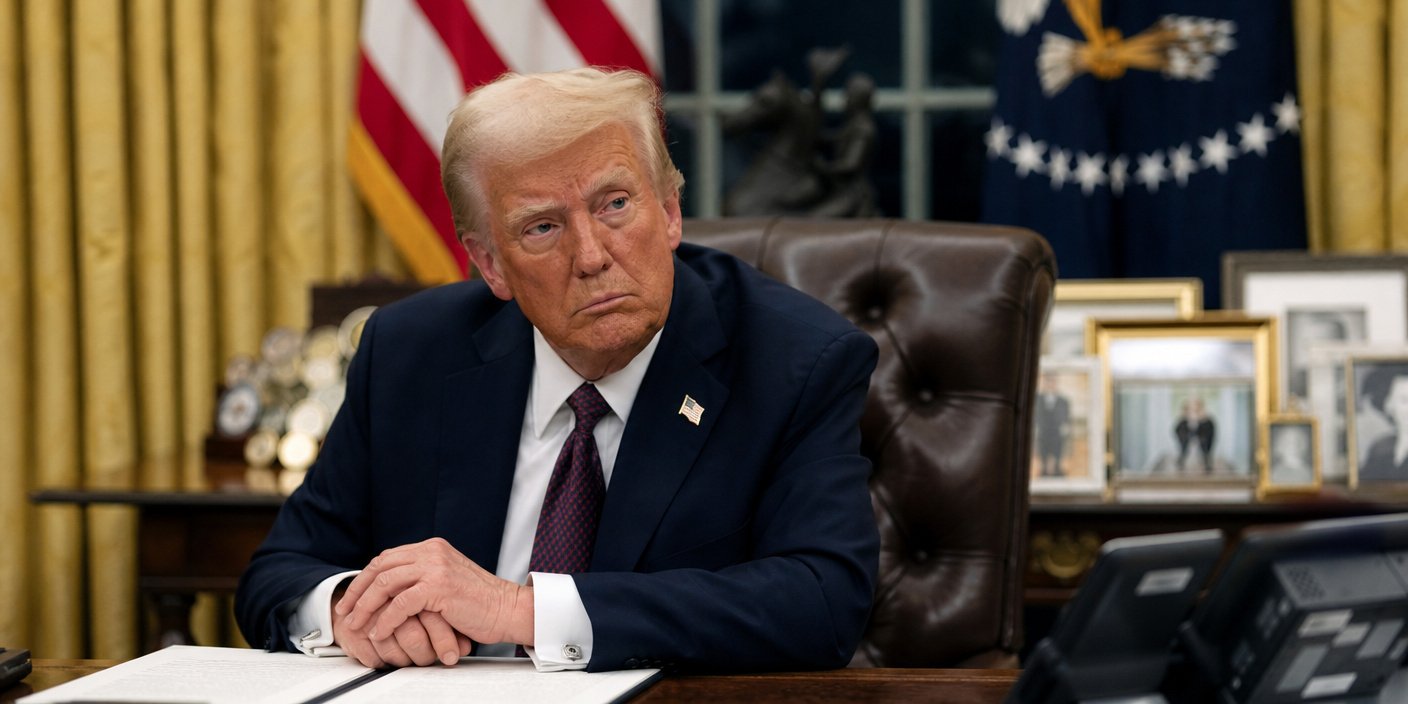
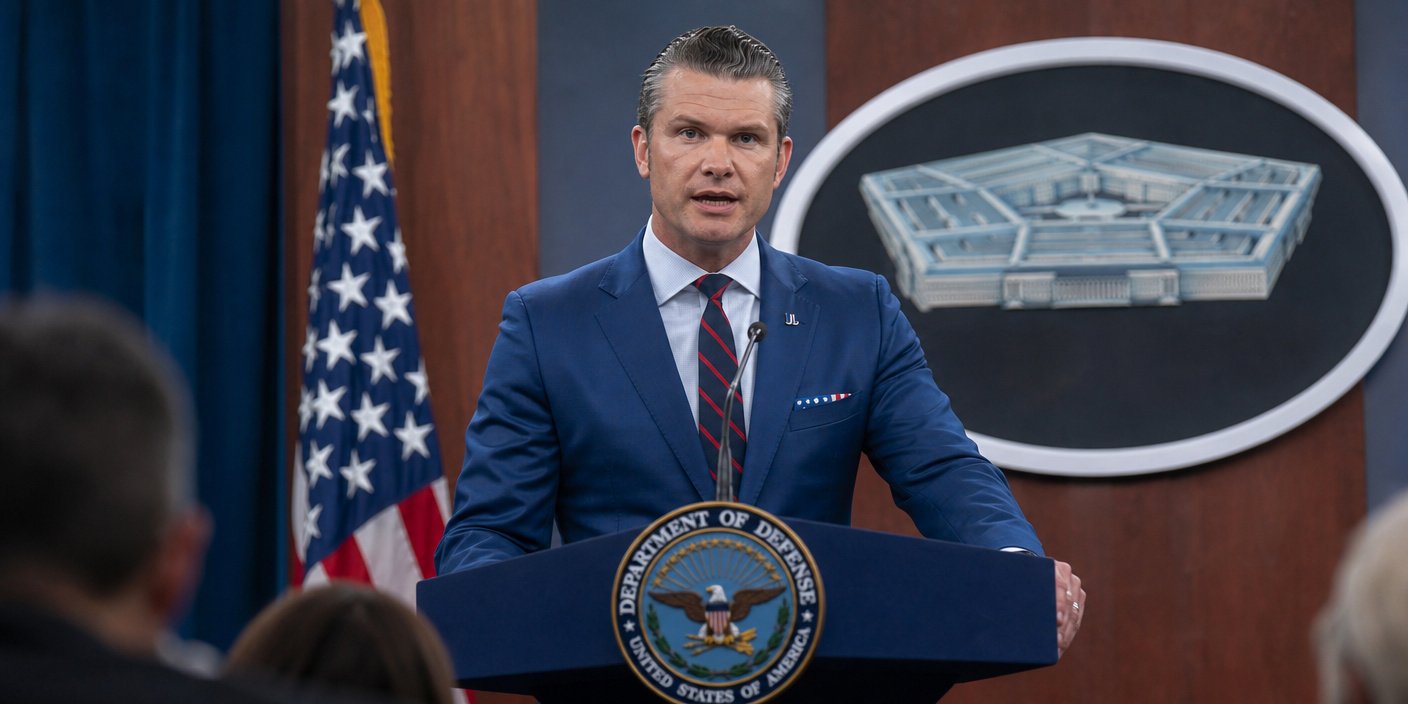
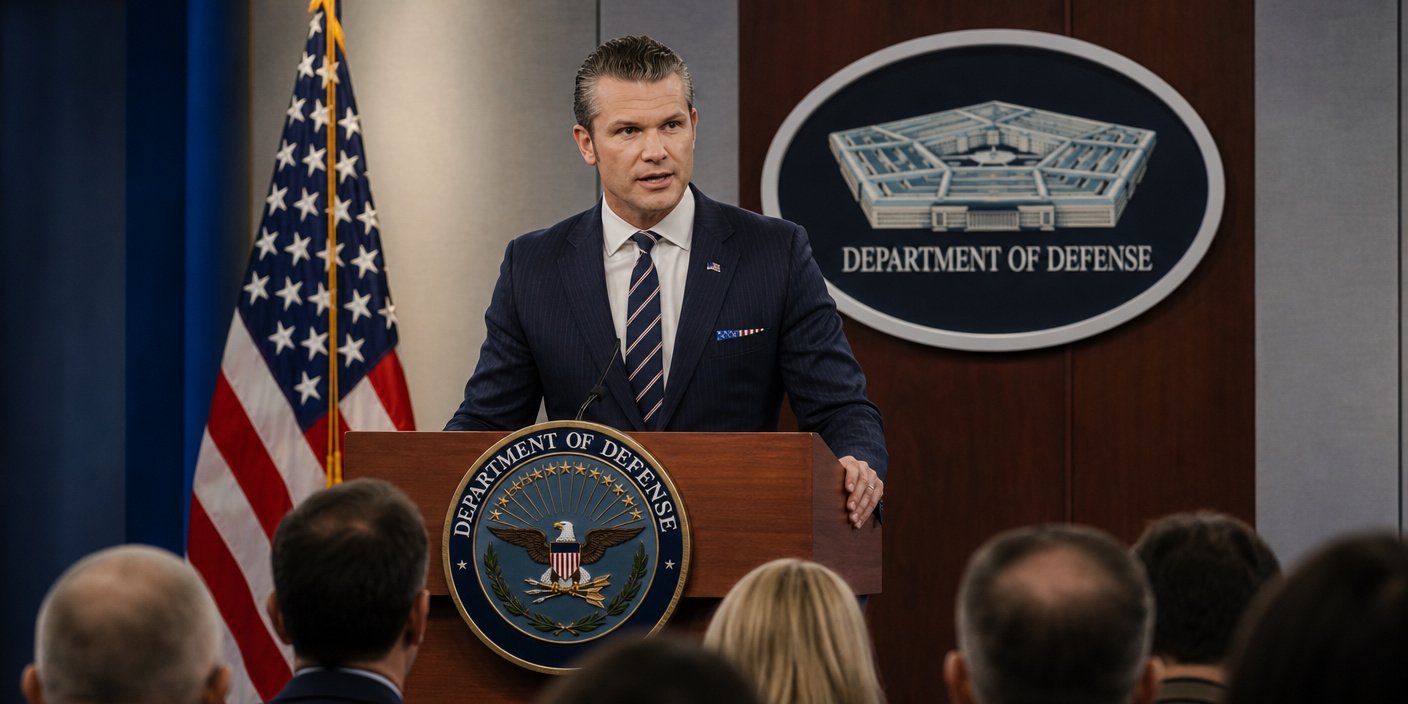
In response to the shutdown, President Donald Trump has taken specific measures to mitigate some of its effects. He directed the Pentagon to utilize “all available funds” to ensure that U.S. troops receive their paychecks on the scheduled date of October 15. The Defense Department plans to repurpose approximately $8 billion in unused research and development funding from the previous fiscal year to cover these payments. However, concerns remain about the processing of these payments, as many Defense Finance and Accounting Service (DFAS) employees, like other federal workers, are furloughed. As the American politics landscape grapples with the domestic crisis, President Trump is also set to co-chair a significant international event: the “Summit for Peace” in Sharm El Sheikh, Egypt, scheduled for Sunday, October 13. This summit, also co-chaired by Egyptian President Abdel Fattah al-Sisi, will convene leaders from over 20 countries to support efforts to end the ongoing war in Gaza and promote regional stability.
Outlook Remains Uncertain
With Congress not scheduled to reconvene until Tuesday, the government shutdown shows no immediate signs of concluding. The political rhetoric remains charged, with both parties blaming the other for the ongoing crisis and its detrimental effects on American citizens and the nation’s operations. As the shutdown extends, the economic and social ramifications are expected to mount, underscoring the urgent need for a bipartisan agreement to restore government funding and services.