Washington D.C. – President Donald Trump announced a significant diplomatic event. He expects Chinese President Xi Jinping to visit the White House. This meeting is slated for late 2026. This news offers a potential reset for US-China relations. It aims to ease tensions between two global powers.
Trump made this announcement in a recent interview. The interview was with NBC News. It was taped on February 4, 2026. Parts of the interview aired on February 8th. Trump stated his travel plans first. He will visit China in April 2026. He then expects President Xi to visit the US. This reciprocal visit is planned for later in the year. It aims to mend ties strained by trade conflicts. These have defined much of their recent history.
The planned visits follow direct communication. President Trump and President Xi spoke by phone on February 4, 2026. Their conversation spanned multiple critical issues. They discussed trade dynamics between the two nations. Taiwan’s status was also on the agenda. The war in Ukraine was a key topic. The situation in Iran was also reviewed. This call was described as “excellent” by Trump. It was called “very positive” by the US President. He felt the call was “extremely good.” Xi expressed hope for constructive discussions. He wants disputes addressed amicably. This shows a desire for dialogue. It indicates a path forward. Building mutual trust is key. Both nations can then get along better.
Trump characterized the US-China relationship as “very good.” He noted their status as the “two most powerful countries in the world.” This statement suggests an optimistic view. He believes their strong ties are essential. Xi also voiced the importance of the relationship. He values it greatly. He hopes to accomplish significant things together. This collaboration is vital for the global stage.
A History of Strategic Maneuvers
Relations between the US and China have faced challenges. President Trump’s previous term saw a notable trade war. This conflict involved significant tariffs. These duties impacted many sectors. A truce was reached in spring 2025. However, economic entanglement persists. US efforts to reduce dependence on Chinese manufacturing continue. Yet, both economies remain deeply linked. This complex relationship defines global trade news.


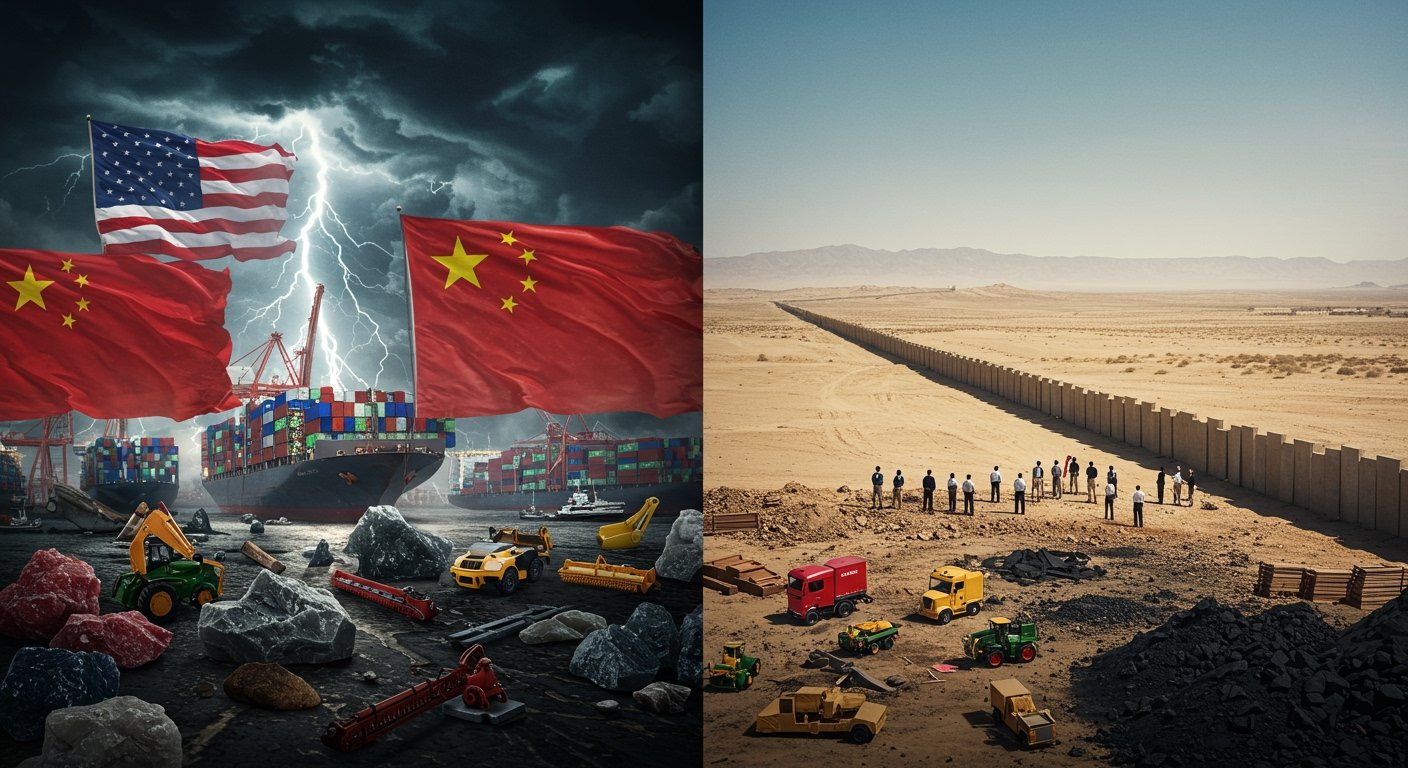

Trump’s administration has previously pursued other strategies. He announced plans for a critical minerals trading bloc. This initiative aims to counter China’s dominance. It involves allies and partners. Tariffs were intended to set minimum prices. This defends against China’s influence. This shows a focus on strategic resources. The US seeks self-reliance for Western nations. The vice president highlighted global dependence. Beijing largely dominates key elements. Collective action is seen as necessary. This ensures Western access to resources. It supports industrial might. Production can expand across the zone. This move occurred around the time of the phone call.
Past high-level meetings have also shaped this dynamic. Trump and Xi met in Busan, South Korea. This occurred in October 2025. The meeting aimed to reset economic ties. It followed a five-day Asian trip for Trump. His first visit to the region in his second term. The White House called it a “massive victory.” Trump rated it a “twelve out of ten.” However, outcomes showed less certainty. The meeting provided a temporary truce. It did not resolve all underlying issues. Analysts noted Beijing’s growing confidence. They saw China gaining leverage. This was especially true as US exports fell. China’s overall trade remained resilient. This shows strategic adaptability.
Key Issues on the Table
The US-China relationship remains competitive. This competition touches economic, technological, and security areas. Disputes persist over trade practices. Critical minerals are a point of contention. The future of Taiwan is a sensitive topic. China considers Taiwan its territory. Xi urged caution on US arms sales to Taiwan. This warning came during their recent call. Such issues require careful navigation. The planned high-level engagement aims to manage these. It seeks to stabilize the relationship. Frequent high-level meetings are deemed helpful. They create space for cooperation. They can also highlight areas of disagreement.
President Xi last visited the US in 2023. His upcoming visit to the White House is highly anticipated. It could signal a shift in diplomatic tone. It offers a platform for direct discussion. The goal is to address concerns constructively. Both sides acknowledge shared responsibilities. They must work to steer relations forward. This requires mutual respect and equality. It also depends on mutual benefit. Finding common ground remains a priority.
China’s Strategic Outlook
China’s preparedness for Trump’s return is noted. Beijing feels more confident managing ties. This confidence allows China to prioritize other ventures. It includes its global position. It also emphasizes technological self-reliance. This focus remains high on China’s agenda. The broader Chinese economy shows signs of turbulence. However, China’s export surplus has been record-breaking. This reflects global market access. China’s role as a leading supplier is growing. Exports of electronics and industrial inputs are key drivers. The new energy vehicle sector is also expanding. China aims for technological leadership. This includes AI, pharmaceuticals, and semiconductors. This strategic focus is critical for its future.
China’s leadership sees Trump as a dealmaker. They believe this offers predictability. Scheduled meetings in 2026 can box him in. This can force a degree of plannability. Chinese leaders are seen as strategic. They know their objectives and red lines. This clarity contrasts with perceptions of US strategy. Some observers note a lack of clear US direction. Decisions may be influenced by factions. This makes US policy seem less predictable. Europeans acknowledge limited access to decision-makers. This uncertainty impacts global perceptions.
A New Chapter for Global News?
The upcoming visits signal a potential new phase. They aim to reset ties between the world’s top economies. This comes after years of friction. It follows a protracted trade war. The US and China remain deeply intertwined economically. Despite strategic rivalries, they are major trading partners. Their economic health impacts the world. The scheduled meetings could stabilize the relationship. However, underlying competition persists. Political, regulatory, and security headwinds exist. These could derail progress. Uncertainty and instability remain possibilities. Trump’s focus on trade is well-known. He might revive tariffs if advantageous. Capitol Hill remains skeptical of China. Anti-China policies continue to be pursued.
Businesses note ongoing uncertainty. They focus on risk management. Supply chains are being diversified. Geopolitical risks are embedded in decisions. This reshapes the business environment. Companies may recalibrate investments. However, geopolitical risk is a structural feature. It shapes long-term strategy. This applies even during diplomatic calm. The planned high-level exchanges are crucial. They offer a chance to build understanding. They might reduce immediate volatility. They could foster constructive engagement. The world watches these developments closely. They represent top world news. The success of these meetings will shape global dynamics. It will influence trade, technology, and security. The efforts to reset ties are underway. The outcome remains to be seen. This is a developing story in global news. The world awaits the outcome. It will reveal much about future US-China ties. The leaders aim to steer a course forward. This journey involves winds and storms.