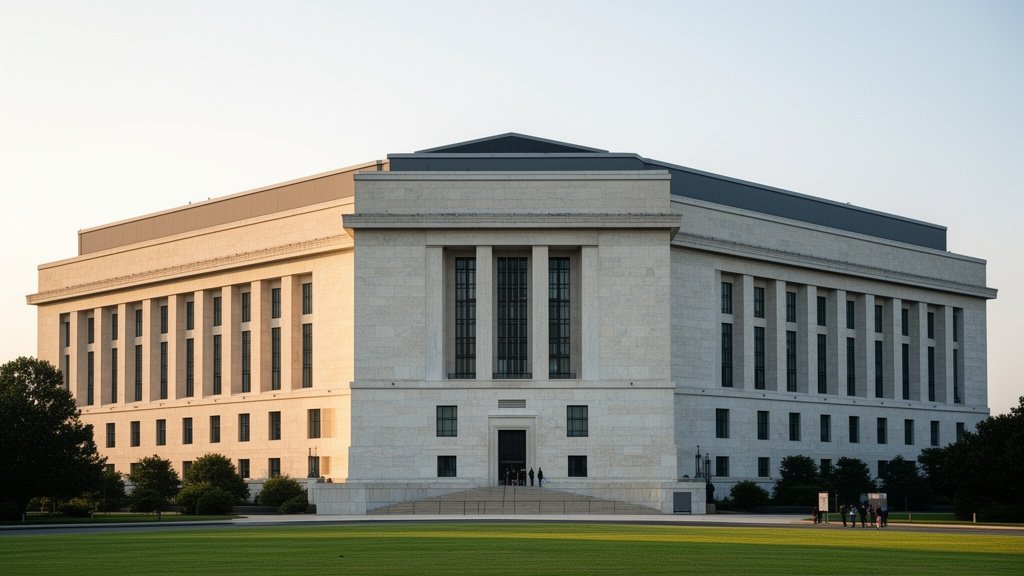
In a pivotal decision that underscores the Federal Reserve’s commitment to navigating a complex macroeconomic landscape, the Federal Open Market Committee (FOMC) concluded its regularly scheduled meeting on March 18, 2026, with the decision to hold interest rates steady. This move, widely anticipated by market analysts, signals the central bank’s ongoing strategy of maintaining restrictive monetary policy until inflation metrics move sustainably toward their long-term objectives. By keeping the federal funds rate in its current target range, Chair Jerome Powell and the committee are prioritizing stability over immediate adjustment, choosing to rely on the latest quarterly economic projections to calibrate their future stance.
The Strategic Pause: Understanding the FOMC Decision
The Federal Reserve interest rates decision on March 18, 2026, is best understood as a measured response to persistent economic variables. Despite some positive indicators in labor market resilience, the committee remains hyper-vigilant regarding inflationary pressures. The decision to keep rates unchanged reflects a consensus among FOMC members that premature easing could undo the hard-won progress made in cooling the economy. This “steady-hand” approach is designed to prevent a resurgence of price volatility while simultaneously monitoring the delayed effects of previous rate hikes on consumer spending and corporate investment. The FOMC’s statement emphasized that incoming data will continue to dictate the speed and timing of any future pivots, effectively leaving the door open for adjustments later in the year should the economic environment shift.
Decoding the Quarterly Economic Projections


Central to the March 18 meeting was the release of the updated “Dot Plot” and quarterly economic projections. These documents serve as the primary roadmap for the Fed’s trajectory, offering insight into where officials believe interest rates, GDP growth, and unemployment levels will land by year-end. The projections revealed a nuanced outlook: a subtle revision in GDP expectations and a watchful eye on the personal consumption expenditures (PCE) price index. The Dot Plot indicates that while the committee is not yet signaling a definitive reversal in policy, there is a divergence in views regarding the necessity of further rate hikes versus a prolonged hold. Investors and market strategists are closely parsing these data points to ascertain if the Fed perceives the current inflationary plateau as transitory or entrenched.
Market Reactions and Inflationary Pressures
Financial markets responded to the Fed’s announcement with a mix of cautious relief and continued anticipation. The stability offered by the Fed’s decision provides a temporary floor for treasury yields, yet uncertainty regarding the timeline for potential rate cuts remains a dominant theme. As the Bureau of Labor Statistics continues to release monthly data, the Fed is essentially balancing the risks of over-tightening—which could inadvertently tip the economy into a recessionary cycle—against the risks of under-tightening, which could leave inflation above the target threshold for an extended period. The committee’s communication strategy, particularly through the post-meeting press conference, underscored that monetary policy is currently “sufficiently restrictive,” but the persistence of services-sector inflation remains a primary concern that limits the committee’s maneuverability.
The Future Trajectory: Secondary Angles
1. Impact on the Housing Market and Consumer Debt: With the Federal Reserve holding rates steady, mortgage rates are likely to remain elevated, continuing the cooling effect on residential real estate. Homebuyers and current owners looking to refinance face a challenging environment, as the cost of borrowing for long-term assets remains tied to the Fed’s current stance. This stagnation in the housing sector is a critical component of the broader economic slowdown the Fed is monitoring.
2. Corporate Debt Refinancing: The “higher for longer” interest rate environment presents a significant challenge for corporations with maturing debt. Companies that relied on cheap financing during the previous decade are now facing a reality where debt service costs are substantially higher. This fiscal pressure is beginning to influence corporate capital expenditure, with many businesses opting for defensive strategies rather than aggressive expansion.
3. Global Economic Tailwinds and Headwinds: The U.S. monetary policy does not exist in a vacuum. International central banks are watching the FOMC closely. A strong dollar, buoyed by higher U.S. interest rates, complicates the export environment for American businesses while impacting global liquidity. The Fed’s decision to maintain rates at this juncture also considers the potential for external shocks, aiming to preserve enough policy space to respond should global economic conditions deteriorate rapidly.
In conclusion, the March 18, 2026, FOMC decision represents a tactical pause in an ongoing battle against economic volatility. By prioritizing data-dependency over rigid timelines, the Federal Reserve is positioning itself to react swiftly to changing conditions. For now, the economic narrative remains one of cautious observation, with all eyes on the next quarterly assessment.