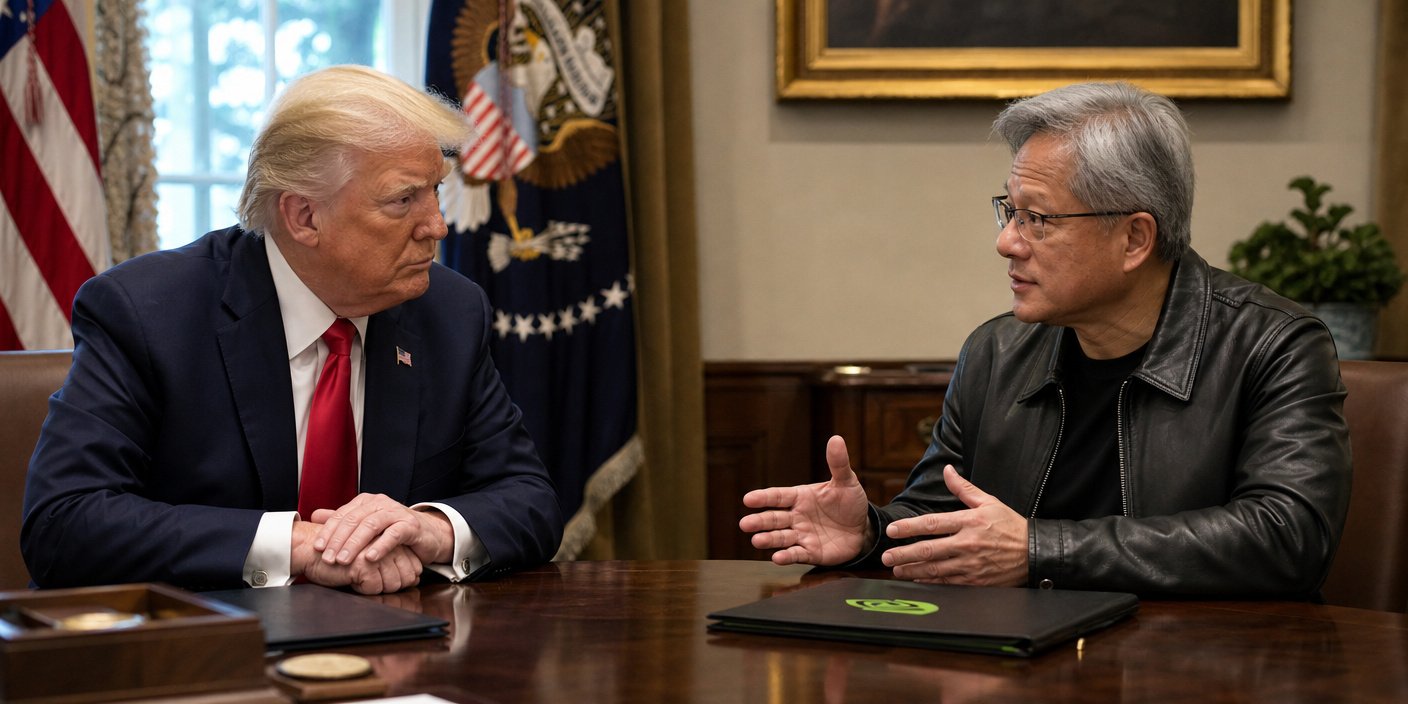
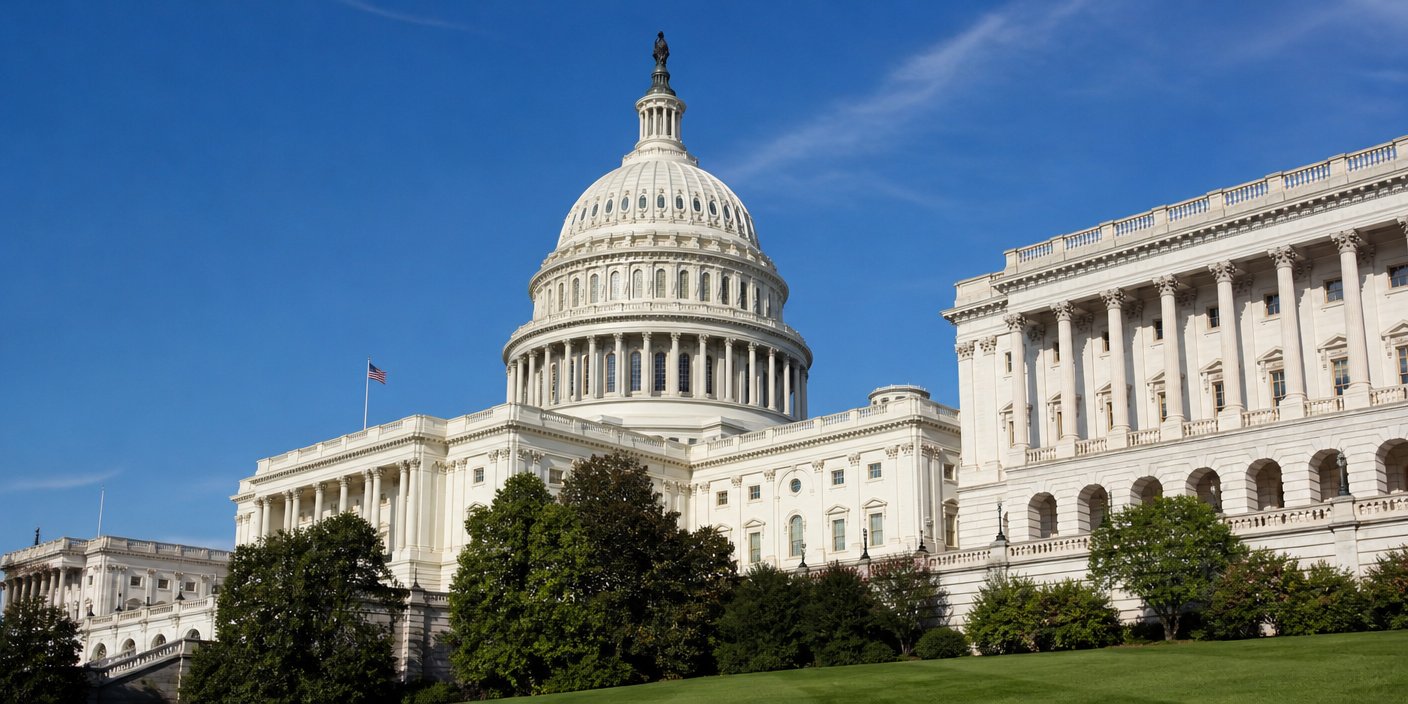
The intersection of political messaging and federal economic reporting remains one of the most sensitive areas of governance in the United States. In an event that drew significant attention to the independence of the Bureau of Economic Analysis (BEA), President Donald Trump previously cast doubt on government-issued Gross Domestic Product (GDP) figures, characterizing them as “fake” and calling for an investigation into the Department of Commerce prior to a critical midterm election cycle. This moment underscored the ongoing tension between executive pressure and the non-partisan foundations of federal statistical agencies.
The Anatomy of a Statistical Dispute
Defining the 2018 GDP Controversy
In October 2018, as the country approached midterm elections, the Department of Commerce and its subsidiary, the Bureau of Economic Analysis, found themselves in the crosshairs of the executive branch. President Trump expressed skepticism regarding the GDP growth numbers, suggesting they were being manipulated or improperly calculated. By labeling the data “fake,” the President challenged the integrity of a system that serves as the bedrock for global financial markets, federal monetary policy, and voter sentiment regarding the economy.
The demand for an investigation created a significant stir among economists, policymakers, and institutional watchdogs. At the heart of the matter was whether political pressure could or should influence the methodologies used by professional civil servants to calculate the nation’s economic output. The BEA, a division of the Department of Commerce, operates with a mandate of objectivity, utilizing rigorous data collection methods that are ostensibly shielded from political influence to prevent exactly the kind of manipulation the President alleged.
The Mechanics of GDP Calculation
To understand why these accusations carry such weight, one must examine how the BEA functions. Gross Domestic Product is not a subjective estimation; it is a massive, complex aggregation of data points from across the American economy. It accounts for personal consumption expenditures, private domestic investment, net exports of goods and services, and government consumption expenditures.
Professional staff at the BEA use standardized, internationally recognized accounting principles to synthesize these inputs. The integrity of these reports is vital because the Federal Reserve uses them to set interest rates, and Wall Street uses them to allocate trillions in capital. If these numbers were “fake” or subject to arbitrary alteration based on electoral timing, it would fundamentally destabilize the global financial system. The assertion that they could be manipulated for political gain is essentially an attack on the technical infrastructure of the U.S. economy itself.
Institutional Independence vs. Executive Oversight

This conflict highlights a secondary angle: the delicate balance between the President’s role as the head of the executive branch—and thus the overseer of the Department of Commerce—and the necessity of agency independence. While the President has the authority to appoint the leadership of these departments, the career staff who compile statistical data are protected by civil service regulations designed to ensure that the numbers are “blind” to who is in the Oval Office.
When a President publicly questions these numbers, the immediate impact is a degradation of public trust. If the electorate believes that even objective economic data is subject to partisan distortion, the common ground required for democratic debate begins to erode. This creates a scenario where economic reality becomes a matter of opinion rather than a matter of record, which poses a long-term risk to the stability of the republic.
Historical Context: Presidents and the Economy
History suggests that friction between the White House and the Department of Commerce is not unique to the Trump era. Throughout the 20th and 21st centuries, various administrations have attempted to “spin” economic data, either by emphasizing positive indicators or downplaying negative ones. However, moving from “spin” to accusing the agency of outright fraud represents a significant escalation. It shifts the discourse from a debate about how to interpret the data to a fundamental attack on the existence of objective, fact-based governance.
The Ripple Effect: Trust and Markets
The most significant consequence of the “fake GDP” rhetoric is its potential effect on market confidence. Financial markets rely on the assumption that the BEA’s numbers are accurate. If investors believe that the Commerce Department is prone to political interference, they may begin to discount official U.S. data, leading to increased volatility. Furthermore, when federal agencies are placed under the shadow of an investigation due to unsubstantiated claims, morale among the career scientists and economists who maintain these systems can suffer, potentially leading to a “brain drain” of talent to the private sector.
Ultimately, the 2018 controversy serves as a case study in the resilience of institutions. Despite the rhetoric, the structural protocols of the Department of Commerce and the BEA remained largely intact, continuing to provide the essential economic intelligence required for the country to function. The event remains a vital reference point for future debates concerning the limits of executive authority over non-partisan administrative bodies.
FAQ: People Also Ask
Does the President have the power to change GDP numbers?
No. The President does not have the technical authority or capability to directly alter GDP calculations. The methodologies are set by the Bureau of Economic Analysis, which follows strict, transparent accounting standards to maintain its credibility and independence.
Why does the President care about GDP numbers before an election?
GDP is a primary indicator of economic health. A strong GDP report is often used as a performance metric for the incumbent administration. Consequently, positive numbers are a political asset during election cycles, while negative numbers can be a liability.
Are GDP figures ever revised?
Yes, frequently. It is standard practice for the BEA to issue “advance,” “second,” and “third” estimates of GDP as more complete data becomes available. These revisions are technical, not political, and are meant to increase the accuracy of the final figure.
What is the Department of Commerce’s role?
The Department of Commerce is a cabinet-level agency focused on promoting economic growth, job creation, and sustainable development. It oversees various bureaus, including the BEA, the Census Bureau, and the National Oceanic and Atmospheric Administration (NOAA).