U.S. Pledges $10 Billion for Gaza Peace and Reconstruction
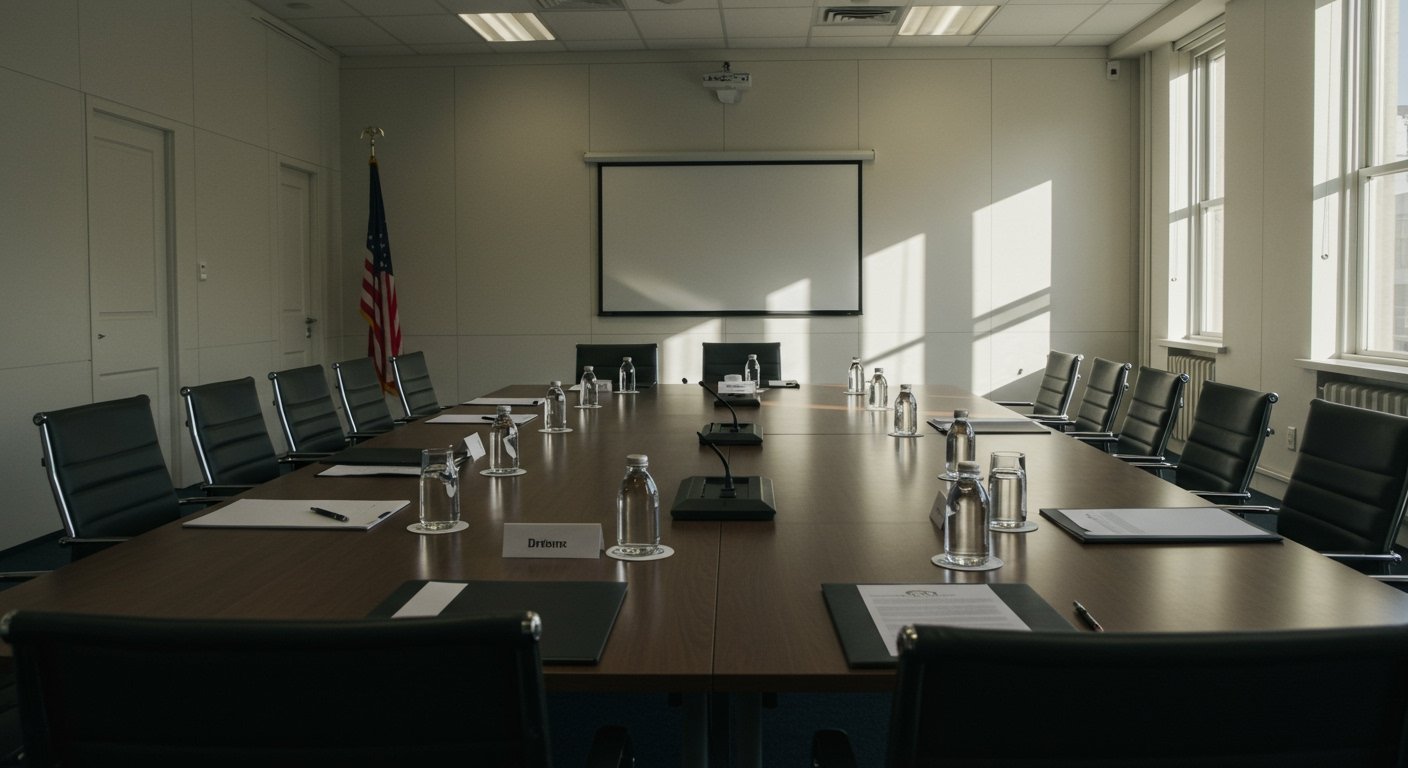
The United States has announced a significant financial commitment. President Donald Trump pledged $10 billion today. This funding goes to the Gaza Board of Peace. The announcement occurred during the Board’s first meeting. It was held in Washington, D.C. Leaders from 47 nations attended this key event.
The Gaza Board of Peace is a new international body. Donald Trump established it. Its stated purpose is promoting world peacekeeping. The board is a coalition of willing states. It operates outside the UN system. The UN Security Council endorsed its establishment. This endorsement came via Resolution 2803. The board oversees aspects of the Gaza peace plan. It also coordinates reconstruction efforts.
Global Pledges for Gaza

The US pledge is part of a larger funding effort. International pledges totaled over $7 billion. These funds are primarily for Gaza’s reconstruction. Gulf countries made substantial contributions. Saudi Arabia and Kuwait each pledged $1 billion. The UAE committed $1.2 billion. Other nations also contributed. These included Kazakhstan, Azerbaijan, Morocco, Bahrain, Qatar, and Uzbekistan. FIFA president Gianni Infantino pledged an additional $75 million. The UN Office for Humanitarian Assistance seeks $2 billion more. Japan will host a separate fundraising event.
Reconstruction Needs
Gaza’s total reconstruction needs are immense. Estimates place the figure at $70 billion. The current pledges represent a fraction of this total. The World Bank has launched a dedicated fund. This fund will manage international donations. It aims for transparency. The World Bank Group might access bond markets. This could reduce investment risks.
Background to the Peace Initiative
The “Gaza peace plan” is a multilateral agreement. It aims to end the Gaza war. Donald Trump announced this plan. It was first proposed in September 2025. The first phase took effect on October 10, 2025. This followed an international peace summit. The agreement included a ceasefire. It also involved prisoner exchanges. Hamas released Israeli detainees. Israel released Palestinian prisoners. This first phase occurred after two years of conflict.
International Stabilization Force
A key component of the plan is security. Five countries agreed to deploy forces. They will form an international stabilization force. This force aids ceasefire implementation. Indonesia will contribute up to 8,000 personnel. Morocco will send police officers. Kazakhstan, Albania, and Kosovo also pledged troops. Egypt and Jordan will train local police. The force commander is Maj.-Gen. Jasper Jeffers. Indonesia will serve as deputy commander. The force’s mandate includes security and governance. The ultimate goal is 12,000 police and 20,000 soldiers.
Governance and Reconstruction
The Board of Peace oversees reconstruction. It works with the National Committee for the Administration of Gaza (NCAG). Ali Shaath leads the NCAG. The NCAG is a transitional technocratic body. It will manage Gaza’s daily life. This happens pending the Palestinian Authority’s return. The plan aims for a self-governing Gaza. It envisions regional integration.
Future Outlook
The US national news focuses on this new initiative. The Board of Peace aims for a better future. However, concerns exist. Some question its governance model. Others worry it may bypass the UN. Western allies have expressed caution. They note its selective nature. President Trump chairs the Board. He holds significant authority. The Board’s success depends on implementation. It faces the challenge of achieving lasting peace. The USA’s role is central to these efforts.