Rubio Warns Venezuela: Force Remains an Option
U.S. Secretary of State Marco Rubio delivered a strong message. He is set to warn about future military action. This warning targets Venezuela’s new leaders. It applies if they deviate from U.S. goals. The statement comes in prepared testimony. It is for a Senate Foreign Relations Committee hearing.
Background to the Warning
The U.S. has long sought to influence Venezuela. Relations have been strained for years. President Nicolás Maduro was recently captured. This capture followed a U.S. raid. The U.S. accuses Maduro of drug trafficking. He faces charges in the United States. This action signals a significant escalation. It is part of a broader U.S. strategy. This strategy involves increased pressure. The U.S. insists its actions are not war. However, military force remains a possibility.
Rubio’s Specific Stance


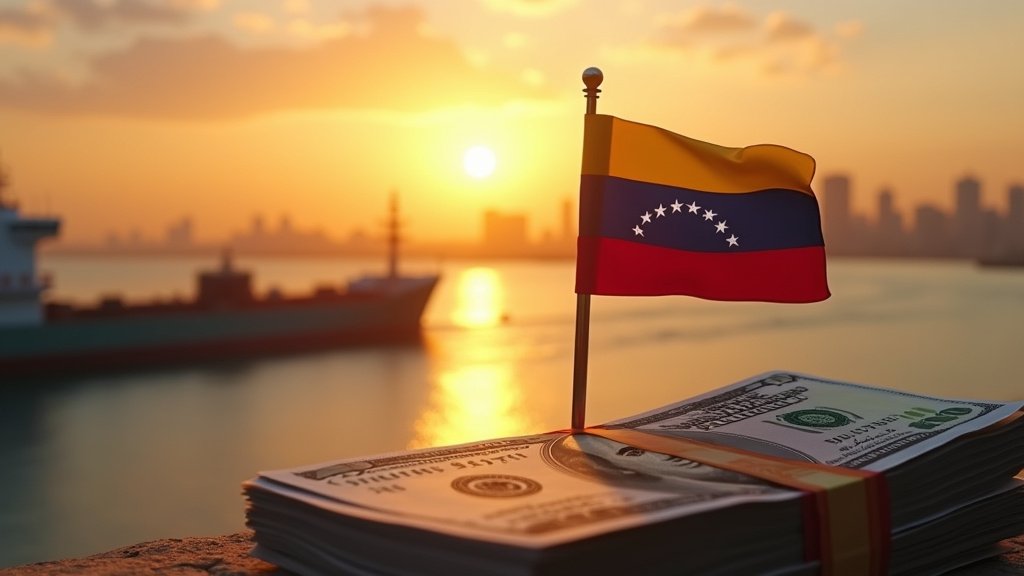

Rubio stated the U.S. is not at war with Venezuela. He acknowledged cooperation from interim leaders. However, he stressed U.S. readiness to use more force. This would happen if other methods fail. “We are prepared to use force to ensure maximum cooperation,” Rubio stated. He expressed hope this would not be necessary. This warning comes amid complex U.S. foreign policy. It also addresses internal party concerns. Rubio aims to defend the administration’s actions.
Justification for U.S. Actions
The administration defends its Venezuela policy. This includes Maduro’s capture. Military strikes on suspected drug boats are ongoing. The seizure of sanctioned oil tankers is also noted. Rubio will argue these actions are constitutional. He emphasizes the U.S. is not occupying Venezuela. “There are no U.S. troops on the ground,” he will say. The operation was to aid law enforcement. This narrative frames actions as legal and necessary.
Implications and Concerns
The U.S. military raid captured Maduro. It occurred on January 3, 2026. This operation was codenamed Operation Absolute Resolve. It involved extensive military assets. Many international observers condemned the capture. Critics question the legal basis. They cite potential violations of international law. Democrats in Congress also criticized the actions. Some fear executive overreach. War Powers Act resolutions have been debated. However, none have become law. Concerns exist about the scope of presidential power. Legal challenges have also emerged. Families of victims from U.S. boat strikes filed lawsuits.
Broader U.S. Foreign Policy Context
Rubio’s testimony touches on wider issues. It addresses U.S. foreign policy decisions. This includes controversial ideas like annexing Greenland. Such actions create unease. This is true even within his own party. The situation in Venezuela is trending globally. American stories often involve complex geopolitical maneuvers. The administration seeks to counter threats. These include drug cartels and foreign influence. Russia’s presence in Venezuela has also been a concern.
Future Outlook
Rubio’s warning underscores U.S. resolve. It aims to ensure Venezuelan cooperation. The U.S. seeks stability. It also wants to advance its own interests. The threat of force looms. However, diplomatic solutions are still hoped for. The coming weeks will show Venezuela’s response. They will also reveal U.S. next steps. The situation remains highly dynamic.