Washington, D.C. — A contentious executive order signed by the Trump administration has ignited protests in the nation’s capital, raising concerns among historians, civil rights advocates, and lawmakers regarding the future of historical presentation in federally funded museums, particularly the National Museum of African American History and Culture (NMAAHC).
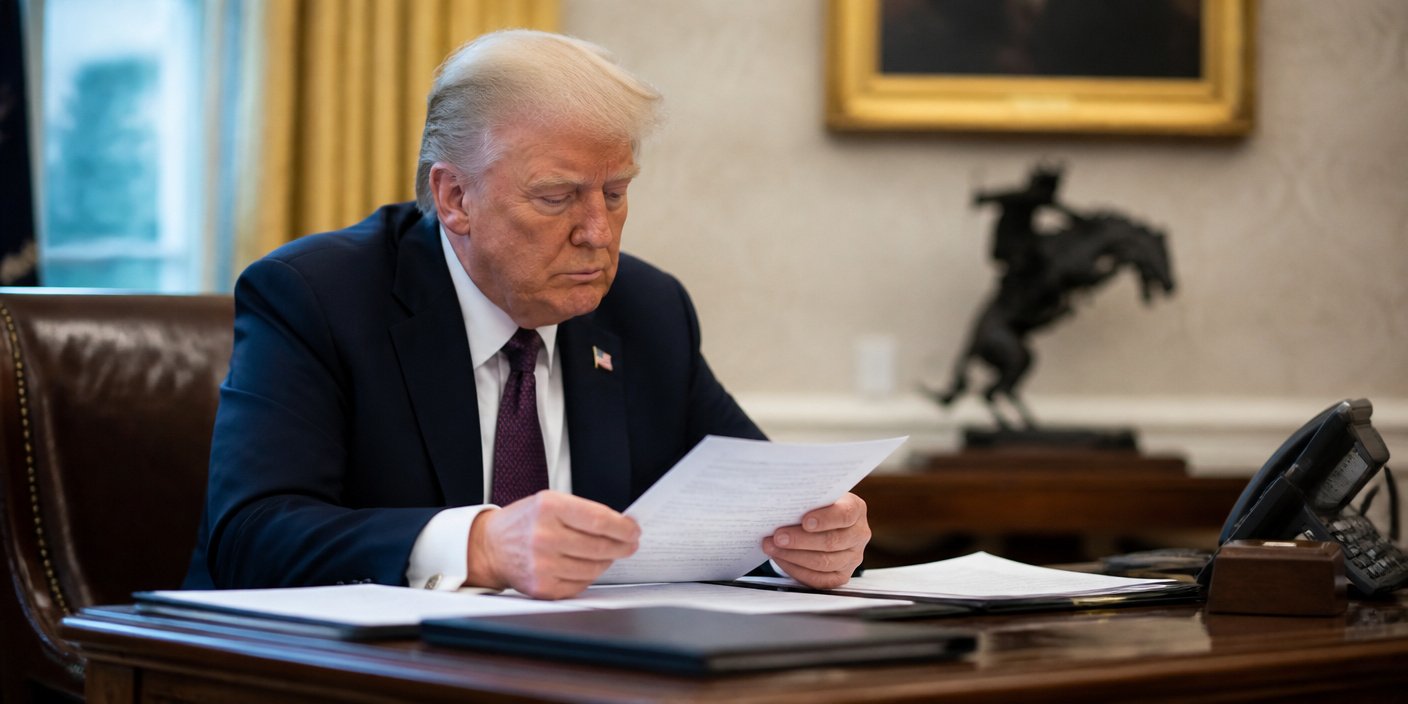
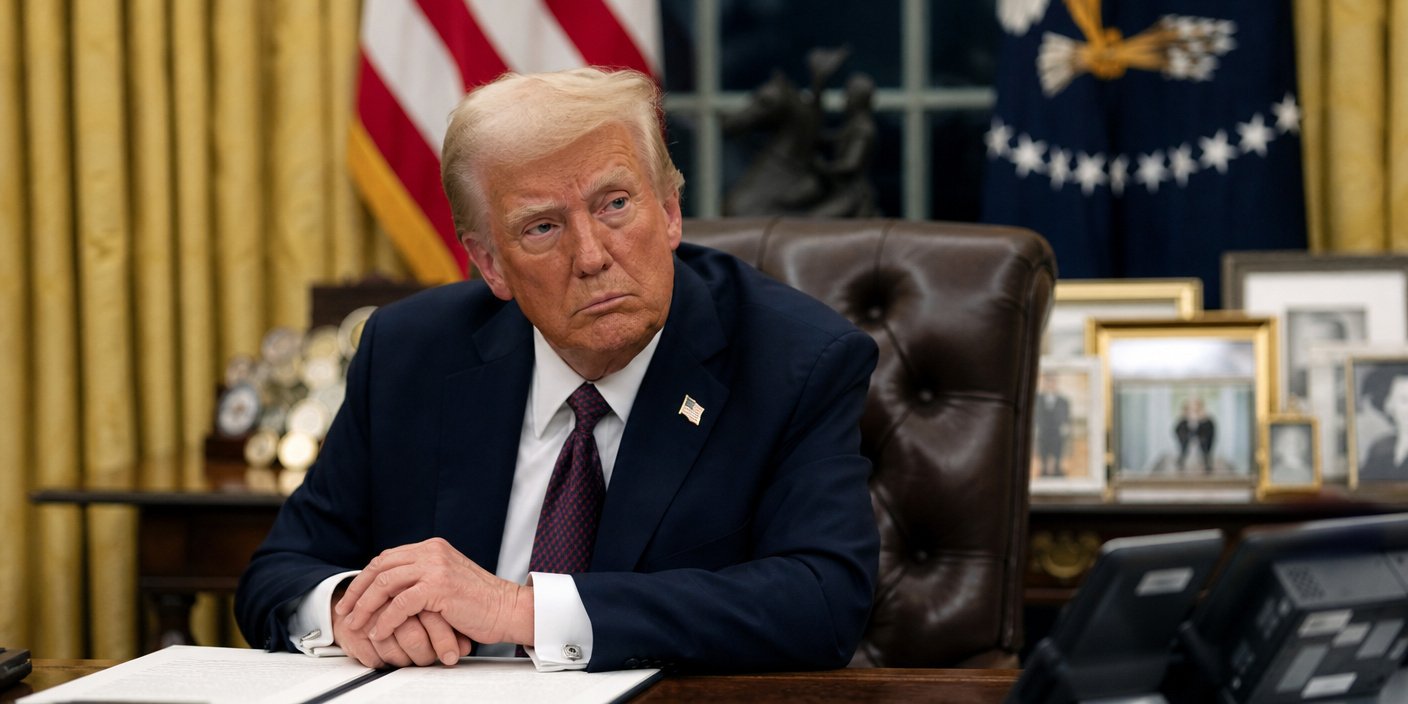
On May 3, 2025, demonstrators gathered outside Washington, D.C.’s City Hall to voice their opposition to what they described as an attempt by the administration to control historical narratives. The protest was a direct response to Executive Order 14253, an directive signed by the president in March that mandates the removal of exhibits deemed “divisive” or focused on “race-centered ideology” from institutions receiving federal funding.
Understanding Executive Order 14253
Executive Order 14253, enacted just two months prior to the protest, set forth new guidelines for federally funded museums and cultural institutions. The order explicitly calls for a review and potential alteration of exhibits that the administration defines using specific criteria, including those deemed “divisive” or promoting a “race-centered ideology.” While the order’s language is broad and potentially applicable to a wide range of institutions, the focus of the May 3 demonstration centered squarely on its perceived threat to the National Museum of African American History and Culture, a Smithsonian institution that relies significantly on federal support.
Critics argue that the very nature of documenting and interpreting African American history requires an examination of race, racism, and their profound impact on American society. Labeling exhibits that delve into these topics as inherently “divisive” or based on a “race-centered ideology” is seen by opponents as a way to censor or minimize essential aspects of the nation’s past.
The Rally at City Hall




The demonstration on May 3 was organized by a coalition of activists and civil rights groups, including the prominent African American Policy Forum. The rally was part of a broader national initiative known as the “Freedom to Learn” campaign, which advocates for comprehensive and unfettered access to education and historical information, free from political interference or censorship.
Speakers at the event condemned the Trump administration’s actions, viewing Executive Order 14253 as a direct challenge to the fundamental mission of institutions like the NMAAHC. Protesters held signs and chanted slogans emphasizing the critical importance of preserving African American history in its fullness and complexity. They argued that the administration’s move constitutes a deliberate attempt to erase critical and uncomfortable aspects of the nation’s past, thereby presenting a sanitized or incomplete version of history.
Activists highlighted the extensive scholarly research and careful curation that informs the exhibits at the NMAAHC and other similar institutions, arguing that these presentations are based on historical evidence and academic rigor, not simply “ideology.”
Lawmakers Call for Investigation
The controversial executive order and the subsequent protests have also drawn sharp criticism from Democratic lawmakers. Several members of Congress have publicly called for an immediate investigation into the signing and potential implementation of Executive Order 14253.
These lawmakers argue that the executive order poses a significant threat to the integrity of historical research and representation within national institutions. They contend that allowing political appointees to dictate exhibit content based on subjective terms like “divisive” undermines the independence and credibility of museums, which are meant to serve as centers of objective historical inquiry and public education. The lawmakers’ call for an investigation signals a potential legislative challenge or oversight effort aimed at scrutinizing the basis and potential consequences of the executive directive.
Broader Implications
The conflict over Executive Order 14253 extends beyond the walls of the NMAAHC and the protests in Washington, D.C. It is indicative of a wider cultural and political debate across the United States concerning how history, particularly regarding race, slavery, and civil rights, is taught and interpreted in public spaces.
Advocates for the executive order often argue for a focus on unifying national narratives and criticize what they see as an overemphasis on historical grievances. Conversely, opponents maintain that a full understanding of American history requires confronting difficult truths about past injustices and their lasting legacies, and that museums are essential venues for this crucial public dialogue.
The events of May 3, 2025, underscore the deep divisions within the nation regarding historical memory and the role of government in shaping cultural institutions. As the “Freedom to Learn” campaign continues and the call for a legislative investigation looms, the fate of exhibits in federally funded museums addressing complex social and racial issues remains uncertain.