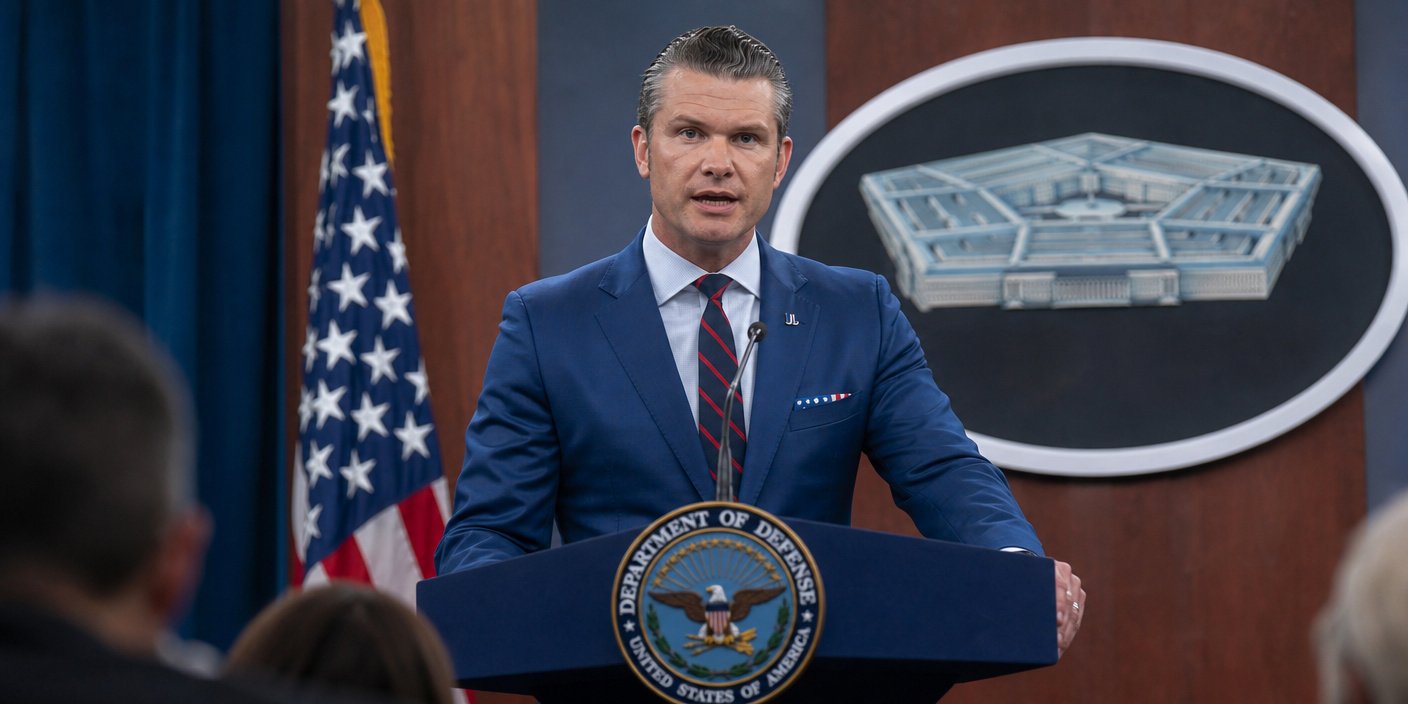
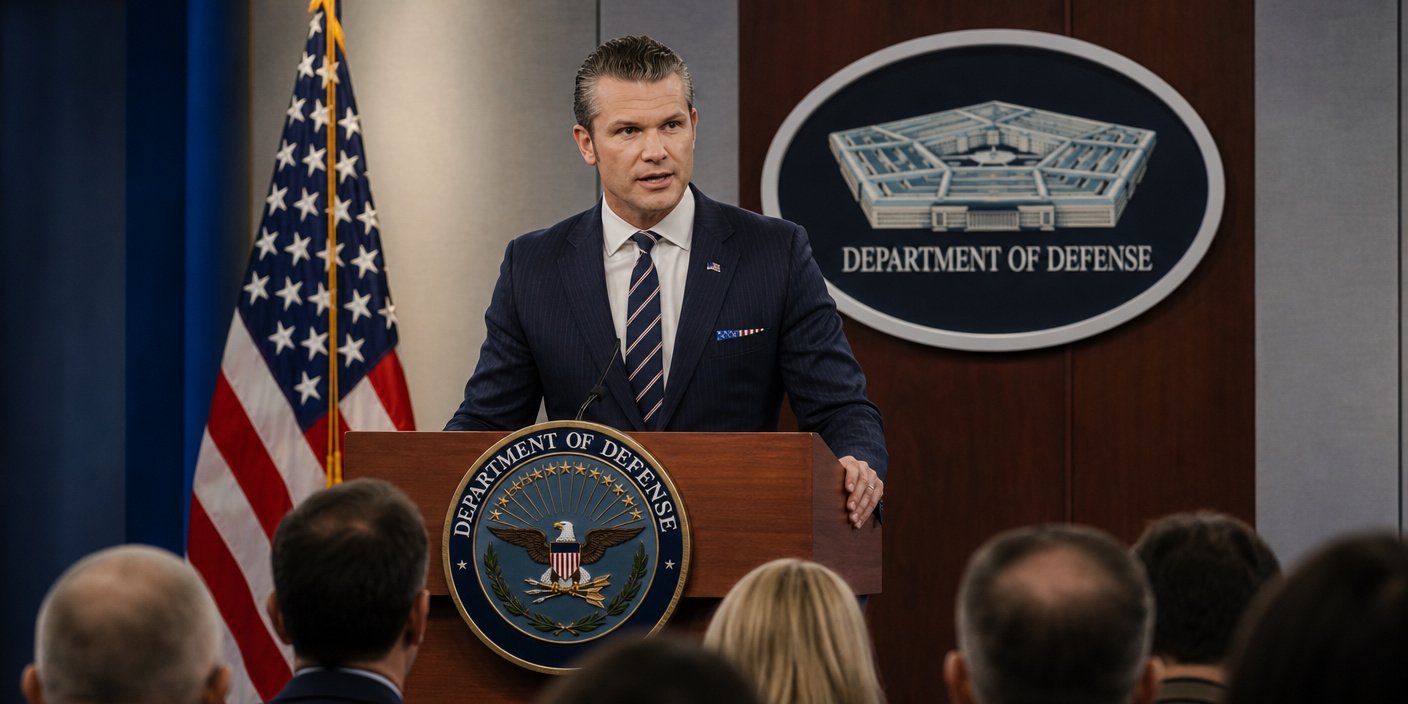
President Trump Announces National Guard Withdrawal Amid Legal Setbacks
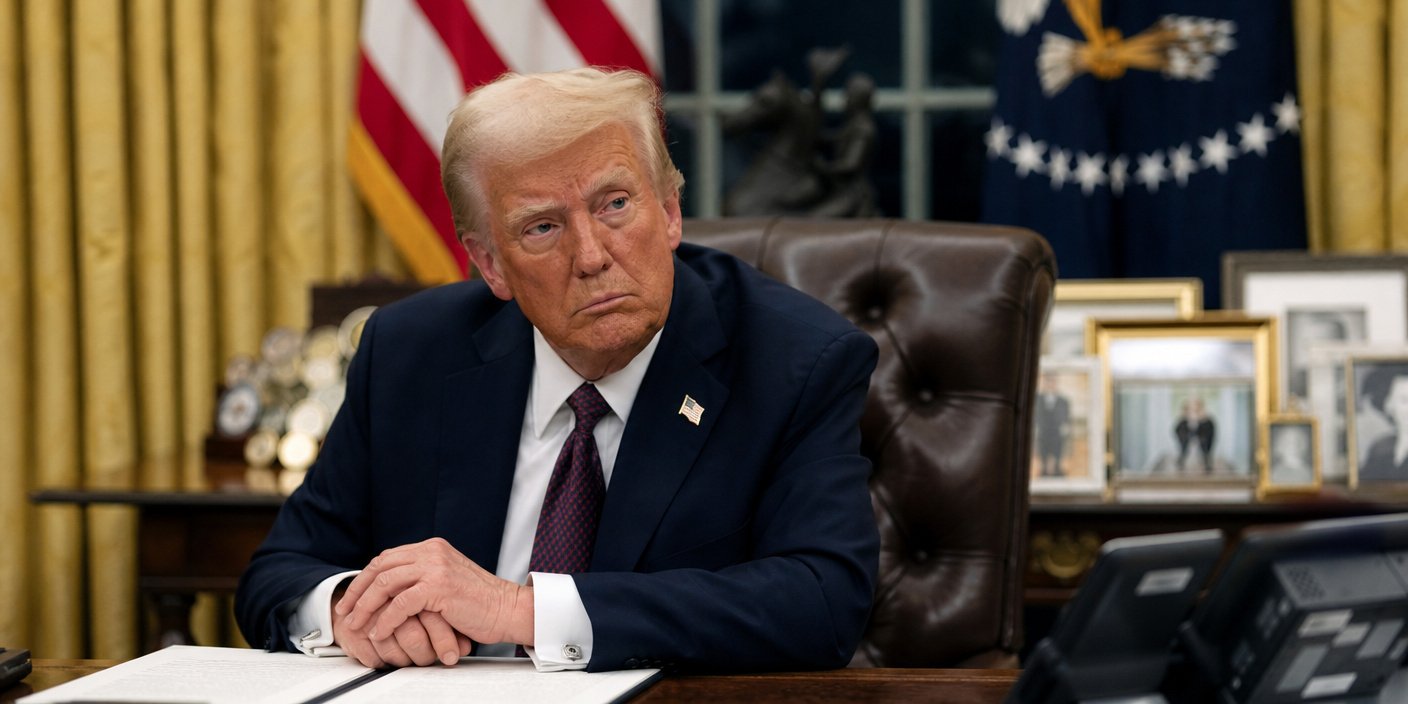
President Donald Trump announced a National Guard withdrawal, removing troops from Chicago, Los Angeles, and Portland on December 31, 2025. This significant National Guard withdrawal action followed substantial legal challenges, as federal courts questioned the administration’s authority for such deployments. While Trump asserted the troops reduced crime and warned of a potential return, this decision by Trump troop deployment marks a notable shift in federal actions impacting American cities and raises critical federalism issues.
Rationale Behind the National Guard Withdrawal
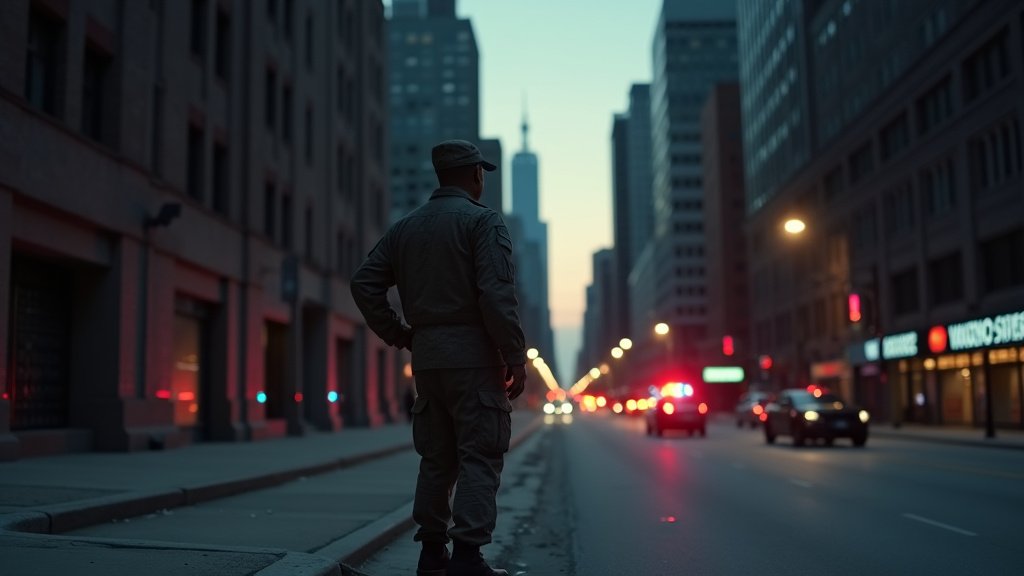

Trump articulated his rationale for the National Guard withdrawal, citing reduced crime rates and arguing that the presence of these troops was instrumental. He made this announcement on Truth Social, stating that these cities would be “gone” without federal assistance and that “CRIME has been greatly reduced.” However, Trump also left room for future intervention, suggesting that deployments could occur again, potentially “in a much different and stronger form,” if crime rates begin to escalate. This aspect of the National Guard withdrawal underscores a continued willingness to intervene.
Legal Roadblocks and Court Decisions Affecting National Guard Withdrawal
The National Guard withdrawal was precipitated by a series of legal defeats, notably involving the U.S. Supreme Court. The Court rejected Trump’s bid to deploy the Guard in Chicago as part of an immigration crackdown, upholding a lower court ruling that prevented the federalization of the Guard in Illinois. Justices pointed to a lack of clear government authority, particularly for protecting immigration agents, and emphasized the need for “exceptional circumstances.” This Supreme Court ruling was a significant blow to the legal foundation for these deployments, directly impacting the possibility of continued National Guard presence and strengthening the case for National Guard withdrawal.
In California, an appellate court similarly ruled, returning control of the National Guard to state authority and ending federal command of troops in Los Angeles. Governor Gavin Newsom hailed this as a victory, deeming the federalization illegal. A federal judge in Oregon also blocked deployments there. Across multiple cities, courts determined the administration had exceeded its authority, highlighting legal constraints on presidential power. The Posse Comitatus Act, which generally limits the military’s role in domestic law enforcement, played a role in these decisions, influencing the discourse around federal overreach and the justification for National Guard withdrawal.
City Leaders’ Responses to National Guard Withdrawal
City leaders in the affected cities generally welcomed the National Guard withdrawal. Chicago Mayor Brandon Johnson commended the Supreme Court’s decision, characterizing the deployment as an attempt to “militarize and demonize” the city and asserting the threats were unconstitutional. He stressed the importance of local collaboration. His office identified legal challenges as the primary driver for the National Guard withdrawal. California Attorney General Rob Bonta labeled the troop use as “politically motivated,” and critics accused the administration of federal overreach and exaggerating isolated incidents of violence to target Democratic-led cities. The city leaders response indicated a unified front against the federal mandates.
Crime Trends in Affected Cities and National Guard Impact
Crime data from 2024 and 2025 presents a nuanced picture. In Chicago, homicides and non-fatal shootings saw a significant decline, with mid-2025 figures indicating homicides were down over 30% year-over-year, on pace for a decades-low total. Portland experienced a notable 51% drop in homicides by early 2025, alongside a decrease in violent crime. Los Angeles reported a 14% decrease in homicides in 2024 and was on track for its lowest homicide total in nearly 60 years by mid-2025, contributing to the discussion around the effectiveness of the National Guard withdrawal. This crime decline was a key point of contention.
These crime reductions often predated or coincided with local initiatives. City officials attributed improvements to proactive strategies and community partnerships, challenging Trump’s assertions that the National Guard was the sole factor. The data suggests that downward crime trends were already in motion prior to or independent of the federal troop presence, complicating the justification for extended deployments and supporting the rationale for National Guard withdrawal. Property crime, however, remained a persistent issue in some areas, including Los Angeles and Portland.
Broader Implications for Justice and Federalism
The Trump administration’s previous deployments of National Guard troops in cities like Washington D.C., and considerations of invoking the Insurrection Act, raised concerns about authoritarianism. The recent National Guard withdrawal signifies a retreat from this assertive federal stance, occurring after considerable legal and political opposition. This situation highlights ongoing debates regarding federalism and the intricate balance between state and federal authority within the American justice system. The use of military-style forces in domestic law enforcement remains a contentious issue, with the events surrounding this National Guard withdrawal serving as a significant point of discussion for future policy and legal interpretations.