Leading financial officers across the United States are signaling caution, with a significant majority anticipating a recession by the end of 2025. The primary driver behind this pessimistic economic outlook, according to a recent survey, is the perceived uncertainty and potential disruption stemming from the economic policies associated with President Donald Trump.
The findings, revealed through a survey conducted by the CNBC CFO Council, paint a picture of heightened macroeconomic concern despite pockets of optimism within specific industries. The survey, which polled top Chief Financial Officers, offers a crucial barometer of sentiment from those on the front lines of corporate financial strategy and risk management.
Recession Timeline and Likelihood
The consensus among the surveyed CFOs points towards an economic downturn materializing within the next two years. A striking 60% of respondents indicated they expect a U.S. recession to occur before the close of 2025. Delving deeper into the timeline, the majority within this group predict the recession will strike in the second half of that year. While the focus is on 2025, a smaller but still notable 15% of the financial leaders surveyed foresee the economic contraction hitting slightly later, specifically in 2026.
This forward-looking assessment from financial stewards of major corporations provides a stark contrast to some more optimistic forecasts and underscores the challenges corporate America anticipates navigating in the near to medium term.
The Shadow of Policy Uncertainty




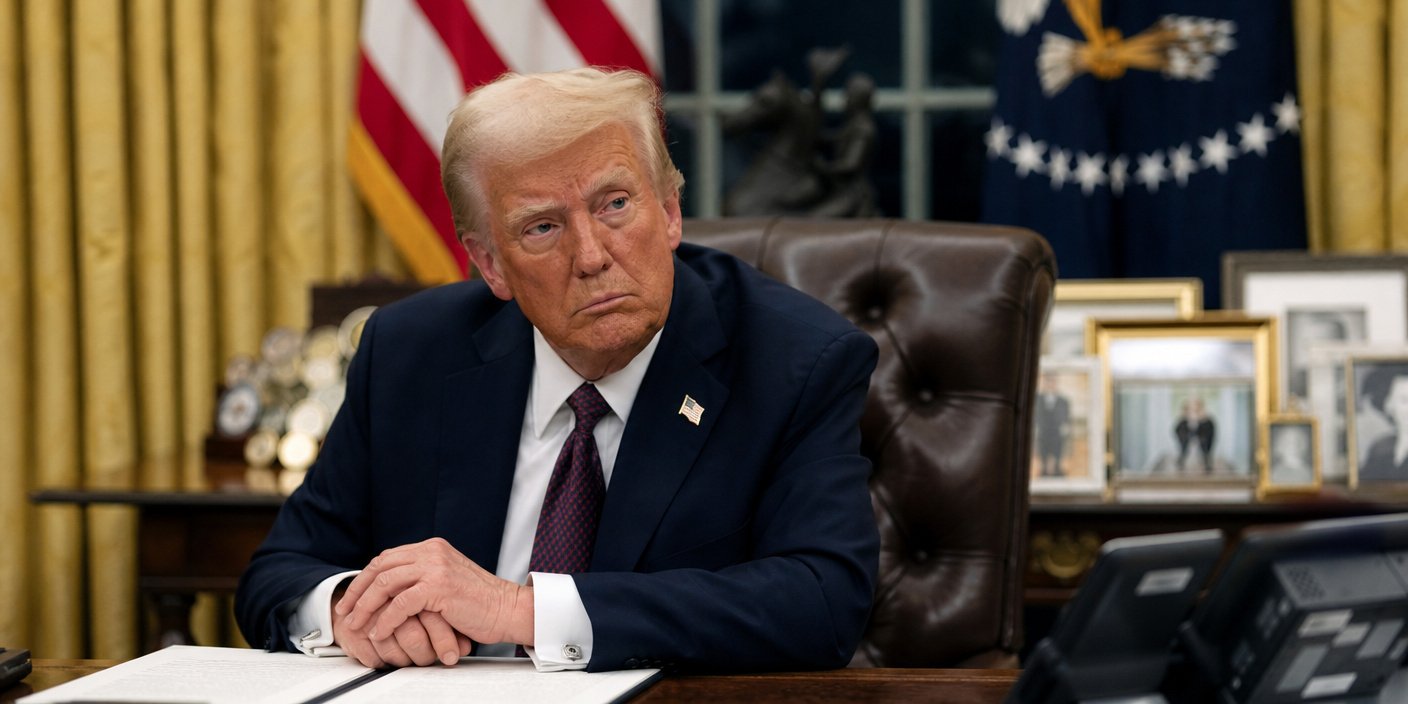
The central theme underpinning the CFOs’ concerns is the volatile landscape of U.S. economic policy, particularly as associated with a potential return to power by President Donald Trump. The survey highlights that the unpredictability surrounding policy direction under his influence is seen as a significant disruptor to business planning and stability.
Specific policies cited as key concerns include trade policy and the potential imposition or expansion of tariffs. CFOs are wary that aggressive trade measures could lead to increased costs, supply chain disruptions, and reduced market access for American goods and services abroad. These factors are directly linked by the surveyed executives to inflationary pressures, adding another layer of complexity to managing costs and profitability.
The prospect of tariffs, a hallmark of President Trump’s previous trade approach, raises fears of retaliatory measures from other nations, further complicating international commerce and potentially dampening global economic growth, which in turn impacts the U.S. economy.
Industry Optimism Amidst Macroeconomic Headwinds
Despite the overarching apprehension regarding the national economic trajectory, the CFOs surveyed expressed a degree of optimism concerning the prospects of their specific industries. This suggests that while they see broader economic forces leading towards a recession, they believe their individual sectors or companies may possess resilience or unique growth drivers that could help weather the storm, or at least perform relatively better than the overall economy.
However, this industry-specific confidence is tempered by anticipated challenges that are intrinsically linked to the macroeconomic environment they foresee. Among the most prominent concerns cited are high borrowing costs. The era of historically low interest rates appears to be firmly behind us, and elevated borrowing expenses directly impact capital expenditure decisions, financing for operations, and merger and acquisition activity.
Furthermore, the CFOs are bracing for continued market instability. Economic uncertainty, policy shifts, and geopolitical events can contribute to volatility in financial markets, currency fluctuations, and unpredictable consumer and business spending patterns. Such instability makes long-term planning and investment decisions significantly more challenging.
Implications for Business Strategy
The outlook presented by the CNBC CFO Council survey is likely to influence corporate strategy in the coming months. Companies may become more conservative in their spending, focusing on cost control and strengthening balance sheets. Investment decisions, particularly those requiring external financing, may face greater scrutiny due to high borrowing costs.
The emphasis on policy uncertainty, specifically related to President Donald Trump, suggests that businesses are already factoring potential shifts in trade, regulatory, and fiscal policies into their risk assessments. This proactive approach highlights the significant impact political developments have on economic expectations.
In conclusion, the survey underscores a prevailing sense of caution among top financial executives regarding the U.S. economic future. While acknowledging industry-level strengths, the majority foresee a recession by late 2025, driven significantly by concerns over the potential for disruptive policy changes. Businesses are likely to navigate the coming period with prudence, mindful of the anticipated challenges posed by high borrowing costs and market instability.