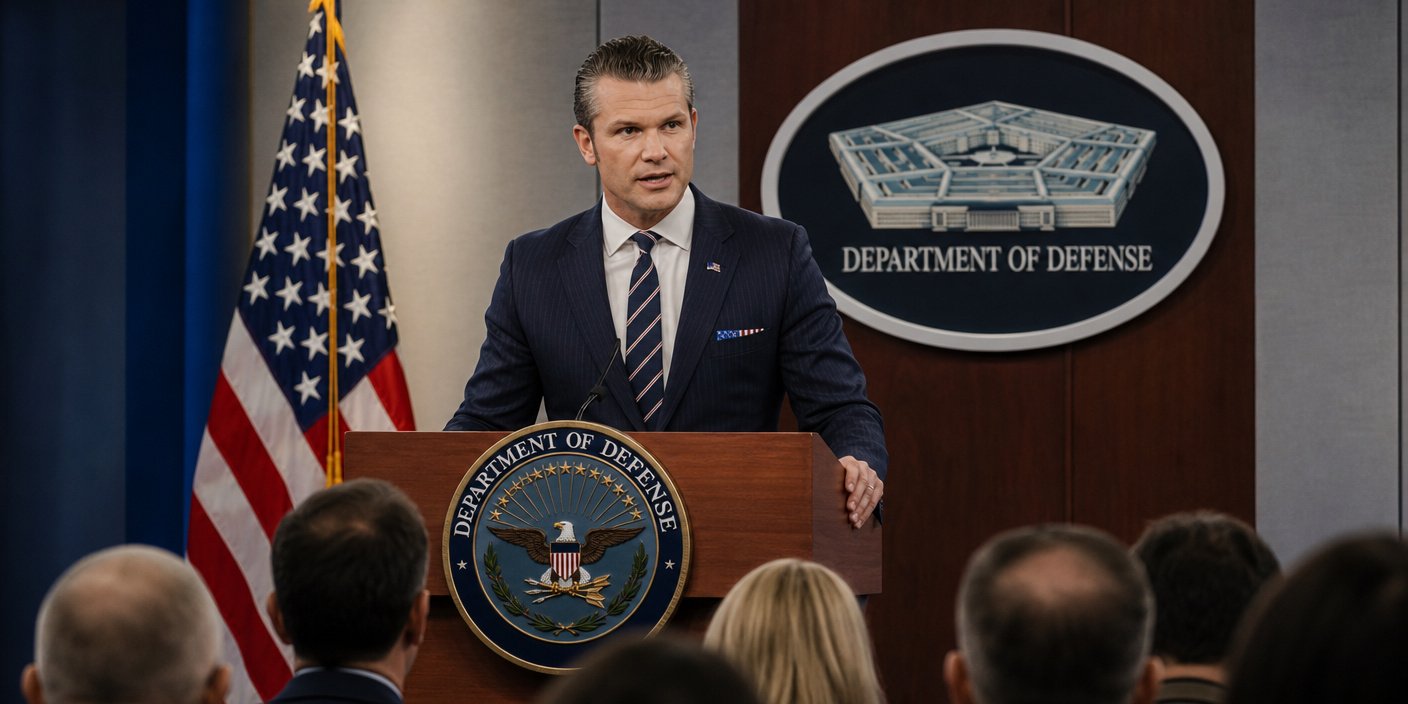
US military forces are currently positioned and prepared to execute major strike operations against Iran within 96 hours of receiving an order from President Trump, according to defense officials. This marks a notable escalation in the US posture in the Middle East, signaling that contingency plans are not only established but are in a state of high-readiness to facilitate rapid power projection.
Key Highlights
- 96-Hour Deployment Window: US defense assets are currently configured to launch major strike operations within a 96-hour notice period, demonstrating high-level combat readiness.
- Strategic Prepositioning: Military planners have finalized the staging of critical assets, including air support and naval strike groups, to ensure target coverage across the theater.
- Presidential Authority: The operational timeline remains strictly tethered to a direct executive order from President Trump, emphasizing the intersection of military doctrine and political decision-making.
- Regional Tension: This escalation occurs amidst a volatile geopolitical climate, marking a significant departure from previous baseline readiness levels in the region.
Escalation Posture and Operational Readiness
The announcement that the United States military is maintaining a 96-hour readiness window for strike operations against Iran represents a definitive shift in the strategic landscape of the Persian Gulf. This posture is not merely a theoretical exercise; it reflects a deliberate realignment of U.S. Central Command (CENTCOM) assets, ensuring that both offensive capabilities and logistical support chains are synchronized for rapid execution. When military officials speak of a 96-hour window, they are referring to a complex “force package” deployment—a process that involves the mobilization of air wings, refueling tankers, intelligence, surveillance, and reconnaissance (ISR) platforms, and, crucially, naval strike groups operating in and around the Persian Gulf.
The Logistics of Rapid Projection
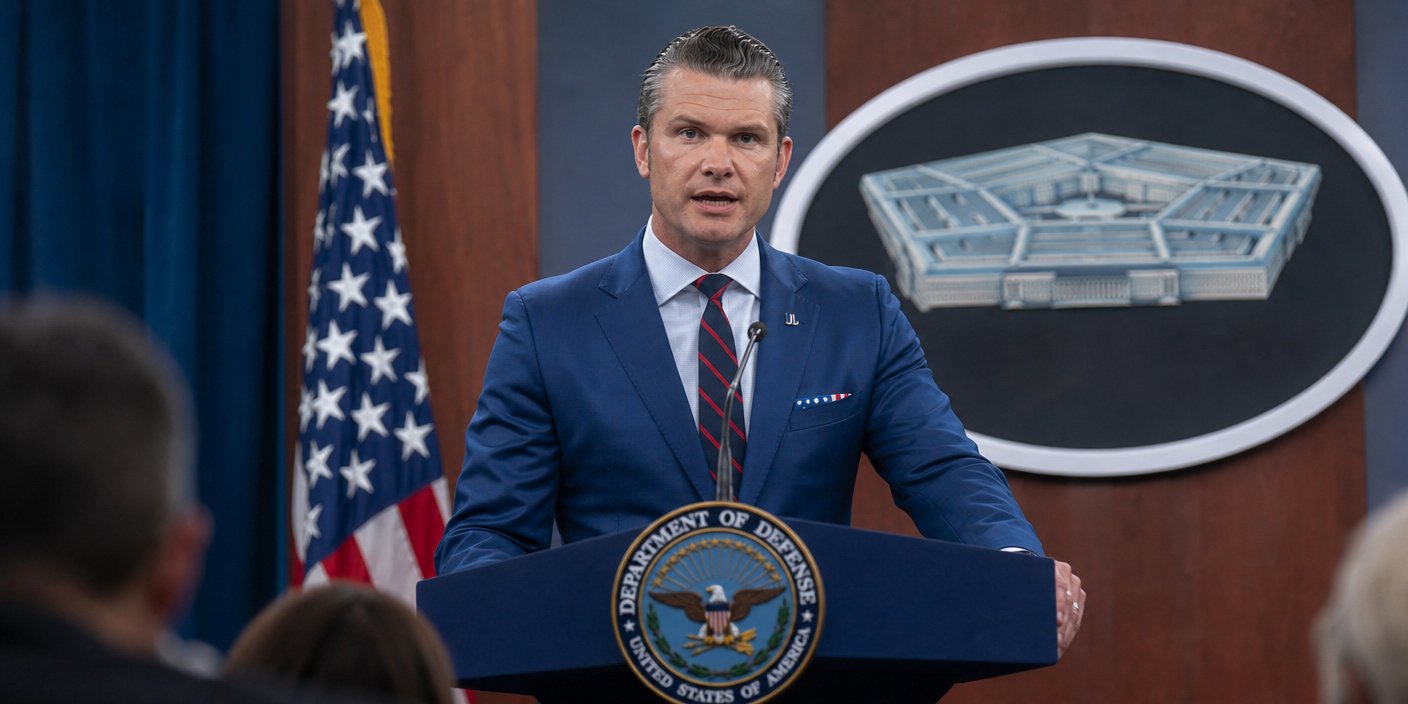
Achieving a 96-hour strike readiness requires an extraordinary level of logistical sophistication. It necessitates that munitions, fuel, and personnel are already “forward-deployed” or within striking distance. In this context, the Pentagon has moved beyond standard deterrent patrolling. The readiness status suggests that specific targeting coordinates and strategic “kill chains” are already digitized and verified, removing the time-consuming administrative delays often associated with starting a major military operation from a cold start. This state of readiness is designed to provide the Commander-in-Chief with maximum flexibility, allowing for a decisive response should diplomatic channels fail or if a triggering event occurs.
CENTCOM’s Strategic Role



U.S. Central Command remains the fulcrum of this operational readiness. By maintaining this high-tempo posture, CENTCOM is essentially demonstrating a “deterrence through capability” strategy. The goal is to signal to the Islamic Revolutionary Guard Corps (IRGC) and other regional actors that the United States has the ability to rapidly escalate, potentially overwhelming defensive networks within the region. This is backed by the continuous presence of carrier strike groups, which provide the mobile airpower necessary to execute such missions without relying solely on regional host-nation infrastructure, which can be politically sensitive.
Regional Impact and Geopolitical Ripple Effects
The implications of a 96-hour strike capability extend far beyond the immediate military theater. The global energy markets, for instance, operate on the assumption of relative stability in the Strait of Hormuz. When the U.S. military publicly signals such a high degree of readiness, it introduces a “risk premium” into oil and gas futures. Investors and regional stakeholders are closely watching these developments, as any kinetic action would likely result in an immediate disruption of critical shipping lanes.
Navigating Proxy Dynamics
The readiness posture is also a direct counter-response to the regional influence of the IRGC. By signaling that the U.S. can strike quickly and precisely, the Pentagon is attempting to constrain the activities of proxy groups that often operate under the umbrella of Iranian support. This is a delicate game of signaling; the U.S. aims to be ready to act without actually taking the step toward open conflict, using the 96-hour timeline as a mechanism to force adversaries to reassess their own risk thresholds.
The Intersection of Executive Decision and Doctrine
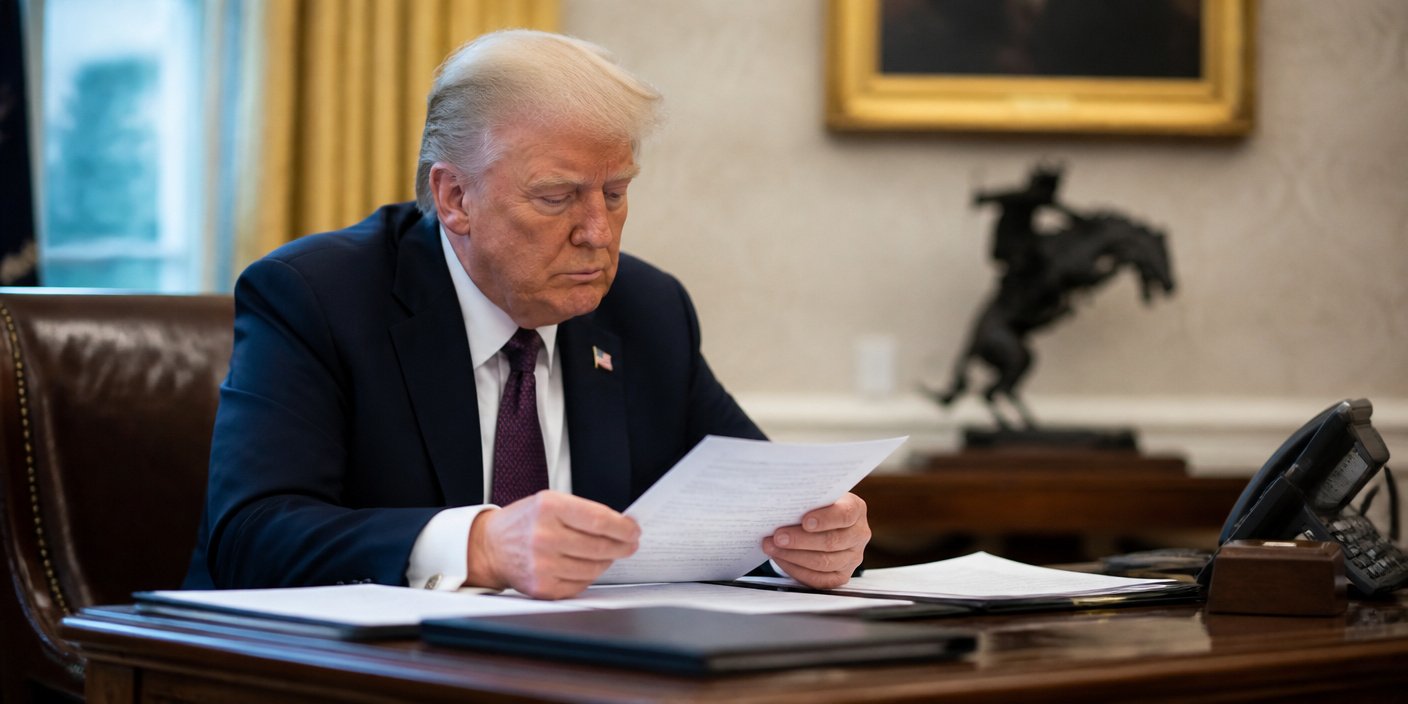
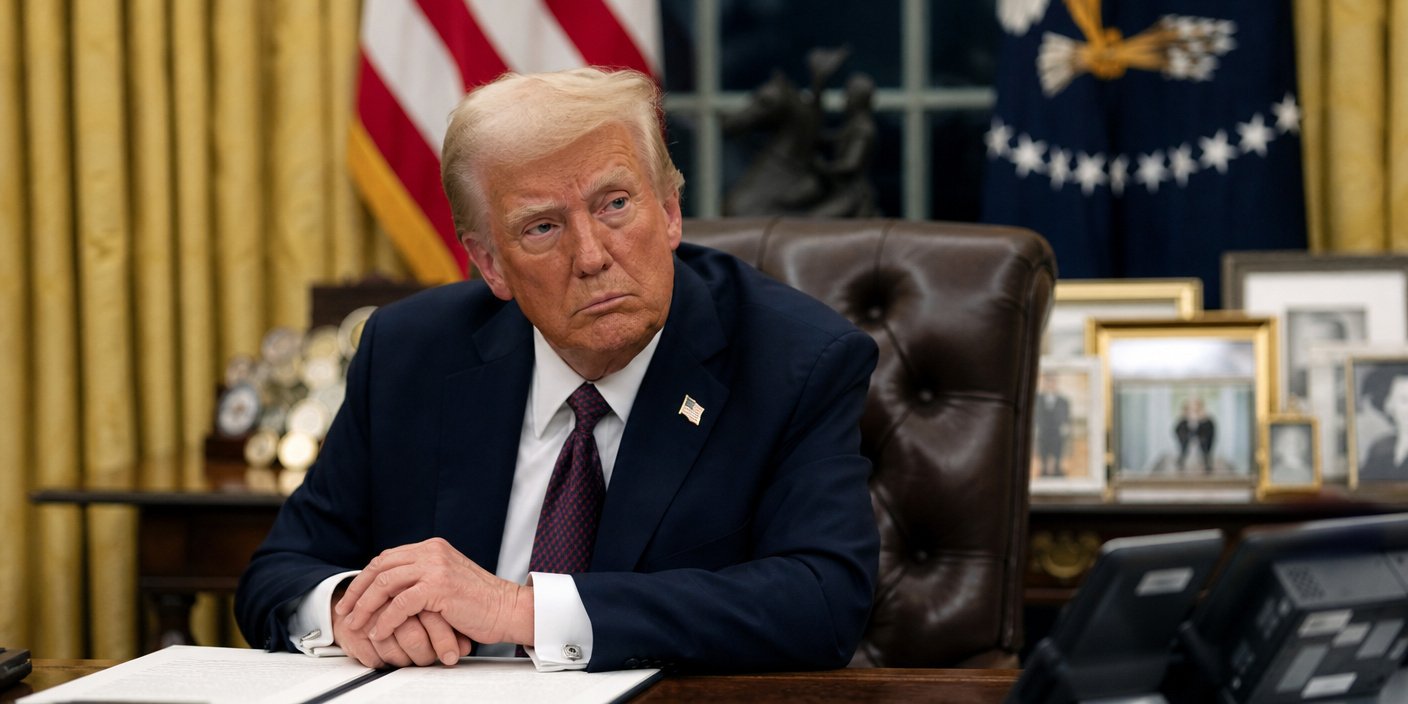
Ultimately, this readiness is an instrument of executive policy. The 96-hour timeline underscores the centralization of authority in the White House. While military leaders and intelligence agencies provide the data and the “strike packages,” the final authorization remains a political act. This configuration places immense weight on the decision-making process within the Oval Office, as the military has effectively “locked and loaded” its options, awaiting only the final signal to commence operations. The synergy between the Pentagon’s logistical efficiency and the President’s strategic intent is the defining feature of this current military epoch.
FAQ: People Also Ask
1. What does the 96-hour readiness window actually imply?
It implies that the logistics, weaponry, and personnel required to launch a significant strike package are already in position and on standby. It eliminates the “lead time” needed to mobilize forces, allowing for a rapid response within four days of an order.
2. Is this a precursor to immediate war?
Not necessarily. Military readiness is often used as a tool of strategic deterrence. The goal is to signal capability and resolve to influence an adversary’s behavior without engaging in combat.
3. Which specific military organizations are involved?
U.S. Central Command (CENTCOM) oversees the operations, working in tandem with the Department of Defense, various branches of the armed services, and intelligence assets to ensure targeting information is precise and up-to-date.
4. How does this affect regional stability in the Middle East?
This heightened state of readiness increases volatility. It forces regional powers to consider the immediate possibility of U.S. military intervention, which can lead to shifts in diplomatic alliances and security postures across the Persian Gulf region.