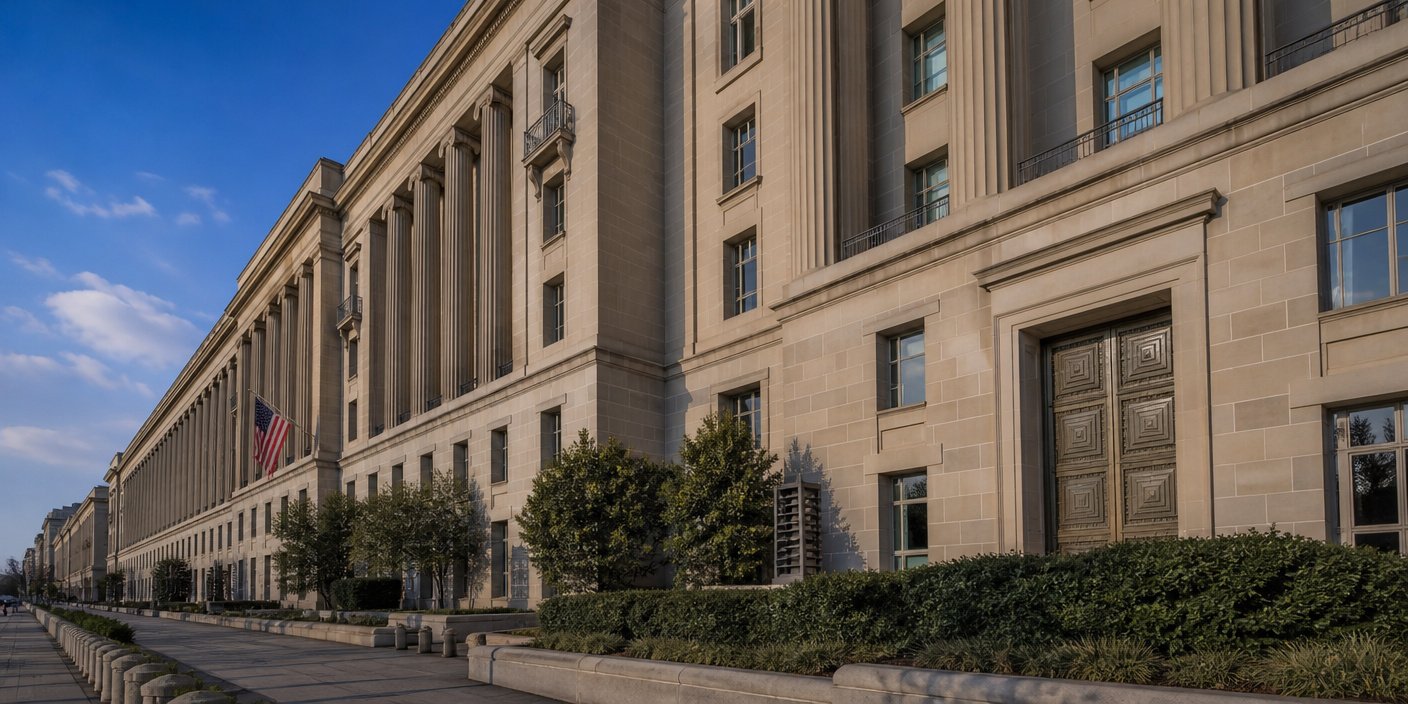
Arizona’s Republican legislative leadership is aggressively pursuing a sweeping overhaul of the state’s electoral system, introducing new legislative measures designed to tighten voter ID requirements and significantly restrict early voting windows. As the state remains a focal point in national election administration debates, the proposed changes represent a pivotal attempt to move away from the mail-in ballot reliance that has characterized Arizona elections for two decades, aiming instead to prioritize in-person verification and heightened security protocols.
Key Highlights
- Legislative Tightening: New proposals seek to shorten the acceptance window for mail-in ballots, potentially requiring them to be received by Election Day rather than merely postmarked.
- Voter ID Mandates: Legislation is being drafted to reinforce Documentary Proof of Citizenship (DPOC) requirements, specifically targeting “federal-only” voters.
- Signature Verification: Enhanced forensic signature verification protocols are proposed to minimize the margin of error in early ballot processing.
- Structural Shift: The GOP-led effort aims to transform the Election Procedures Manual (EPM) to prioritize in-person voting as the primary method of casting a ballot.
Legislative Tightening: Arizona’s Strategic Election Pivot
The current push by Arizona GOP leadership is not merely a reactionary measure but a fundamental attempt to redefine the state’s electoral infrastructure. For years, Arizona was a leader in “no-excuse” mail-in voting, with nearly 80-90% of voters traditionally utilizing this method. However, the current legislative agenda signals a sharp pivot. Lawmakers are arguing that the convenience of early voting has outpaced the administrative capacity to verify voter identity, leading to what they describe as necessary “integrity safeguards.”
The Battle Over Voter ID and Citizenship
Central to the current legislative push is the issue of Documentary Proof of Citizenship (DPOC). Arizona law is unique in its duality, separating voters who have provided DPOC (allowing them to vote in all contests) and those who have not (allowing them to vote only in federal races). Recent legislative drafts aim to consolidate this process, effectively creating higher barriers for registration and participation for voters unable to produce original naturalization documents or birth certificates at the point of registration. Critics argue this violates the National Voter Registration Act (NVRA), setting the stage for imminent litigation. Proponents, however, maintain that absolute proof of citizenship is the only way to ensure the sanctity of the ballot box against potential non-citizen participation, a claim they insist is essential for public trust.
Restructuring the Early Voting Window

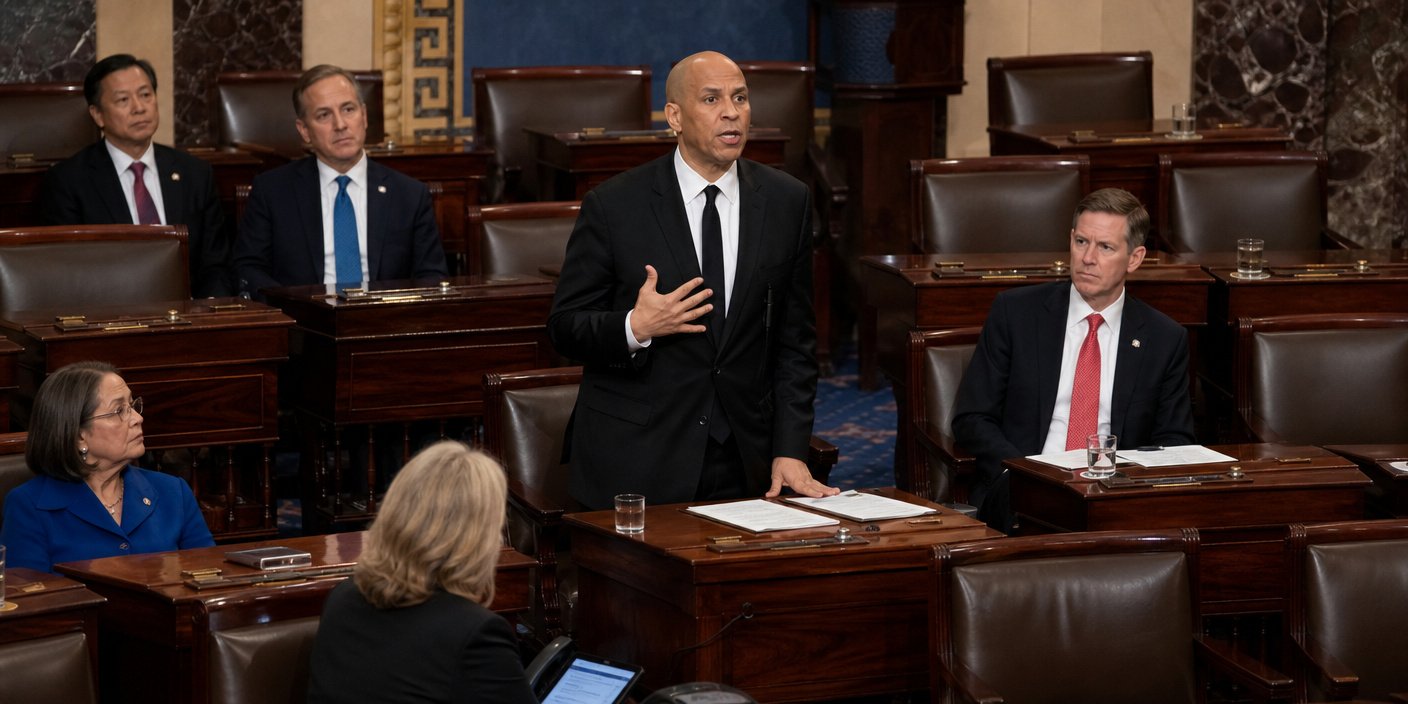

Another critical component of the GOP agenda involves the mail-in ballot window. The legislative proposals seek to tighten the timeline for ballot return. Currently, Arizona allows for a generous grace period for mail-in ballots to be counted, provided they are postmarked by Election Day. Republican leadership is advocating for a “received by” deadline, which would essentially mandate that all mail-in ballots must arrive at county recorder offices by the close of polls on Election Day. This change, if passed, would necessitate a significant logistical overhaul for the United States Postal Service and local election departments, potentially disenfranchising voters who rely on traditional mail-in service in rural, underserved, or tribal areas of the state.
The Role of the Election Procedures Manual
The Election Procedures Manual (EPM) has become the primary battleground for these reforms. The EPM is a binding document created by the Secretary of State, though it requires approval from the Governor and the Attorney General. In the current political climate, the Republican-controlled legislature is attempting to use the EPM approval process to codify their preferred election “best practices”—such as strict signature verification standards—directly into administrative code. This bypasses the traditional legislative bill process, allowing for more rapid implementation but inviting immediate constitutional challenges from civil rights groups and the current Secretary of State’s office, who view these moves as restrictive to the franchise.
Secondary Angles: The Path Forward
1. The Legal Quagmire: The primary tension is legal. Given the precedent established by the Supreme Court of Arizona and the federal courts regarding the NVRA, any law that creates a disparate burden on voters will be litigated. Expect a surge in lawsuits filed by the ACLU and other advocacy groups the moment these bills are signed into law, likely focusing on the “undue burden” test.
2. Logistical Burden on Counties: County Recorders, the non-partisan officials who actually run the elections, are expressing concern regarding the cost and timeline of these changes. Implementing new signature verification technology or altering the ballot return logistics requires funding and staffing that many rural Arizona counties currently lack. The fiscal impact of these changes could become a major campaign issue in local races.
3. Partisan Turnout Shifts: Historically, the GOP used early voting to their advantage. This new “in-person first” strategy represents a significant gamble. If the GOP base shifts away from early voting, the party could see a net loss if they fail to maximize in-person turnout on election days, particularly in urban areas where lines can be long and waiting times act as a deterrent.
FAQ: People Also Ask
Q: What is the main argument for the new voter ID requirements?
A: Proponents argue that the requirements are necessary to prove citizenship and ensure that only eligible voters influence local and state outcomes, addressing perceived vulnerabilities in the current registration system.
Q: How will shortening the mail-in ballot window affect voters?
A: If passed, voters who traditionally mail their ballots close to Election Day may have their votes disqualified if they do not arrive by the time polls close, potentially forcing a significant shift toward in-person voting.
Q: Is there any legal opposition to these measures?
A: Yes. Civil rights organizations and legal experts suggest that several provisions, particularly those concerning “federal-only” voters, may conflict with federal laws such as the National Voter Registration Act, almost guaranteeing court challenges.