In a significant televised town hall hosted by CBS News, Vice President JD Vance addressed a series of critical domestic and international policy issues, providing voters with a clearer view of the current administration’s trajectory. The event served as a platform for Vance to articulate administration priorities, ranging from the complexities of foreign entanglements in the Middle East to the intense domestic debate surrounding border security and bureaucratic integrity. As the political landscape shifts toward the next election cycle, the Vice President’s commentary provided essential context for how the administration intends to handle its remaining tenure.
Key Highlights
- Border Security: Vance reiterated the administration’s commitment to completing barrier construction and intensifying deportation protocols for individuals residing in the country illegally.
- The Iran Situation: The Vice President emphasized a doctrine of ‘strength-based deterrence,’ suggesting that regional stability in the Middle East depends on clear military and economic consequences for state actors.
- Institutional Corruption: A core theme of the discussion was the need for systemic reform within the federal government, specifically targeting the ‘administrative state’ and ensuring executive accountability.
- 2028 Speculation: Vance explicitly downplayed talk of his own 2028 presidential ambitions, asserting that his sole focus remains on fulfilling the current administration’s mandate.
- Economic Resilience: The discussion pivoted to inflation and middle-class tax policies, with Vance arguing that energy independence is the primary driver for long-term economic relief.
Navigating the Administrative Agenda
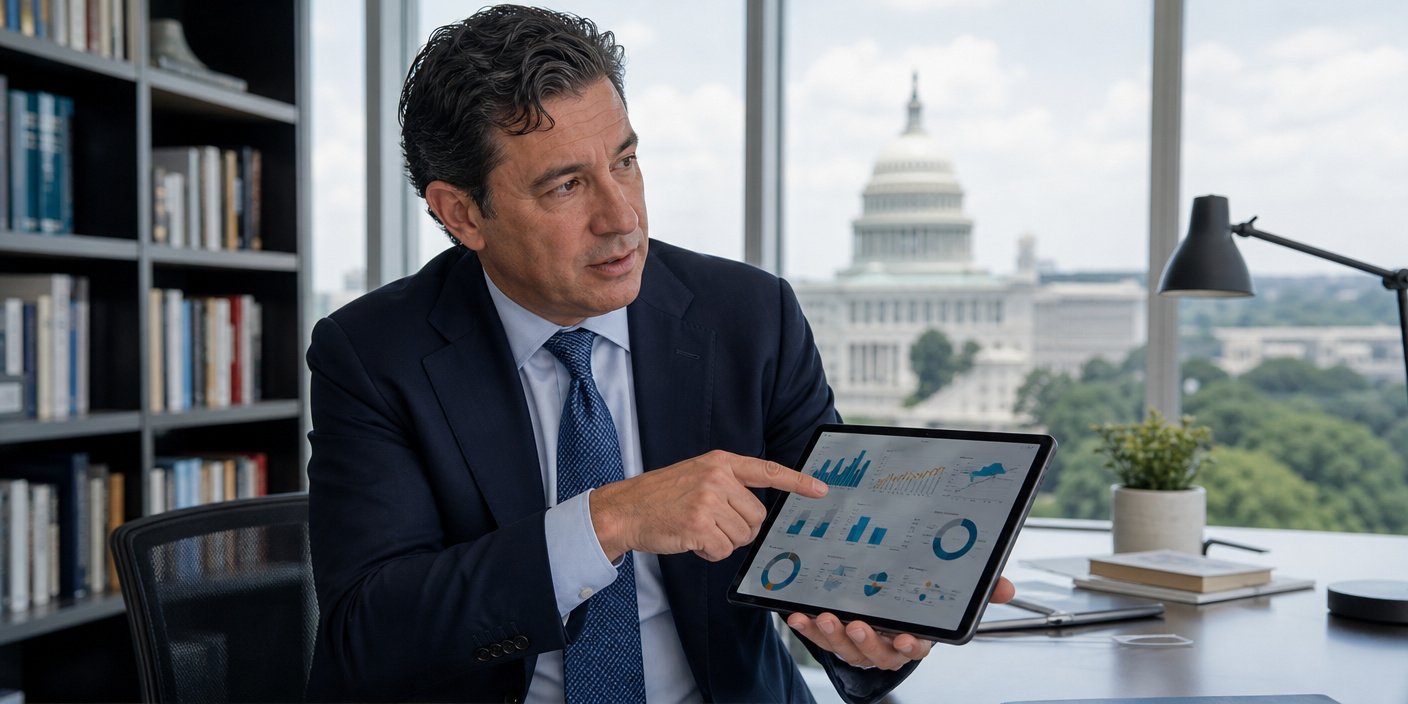
The CBS News town hall provided a rare, sustained look at the policy logic underpinning the current administration’s actions. Rather than focusing on soundbites, the discussion traversed the complexities of the modern global and domestic landscape. For the administration, the town hall was an opportunity to synthesize disparate policy areas into a cohesive vision for the American public.
Foreign Policy and the Iran Question
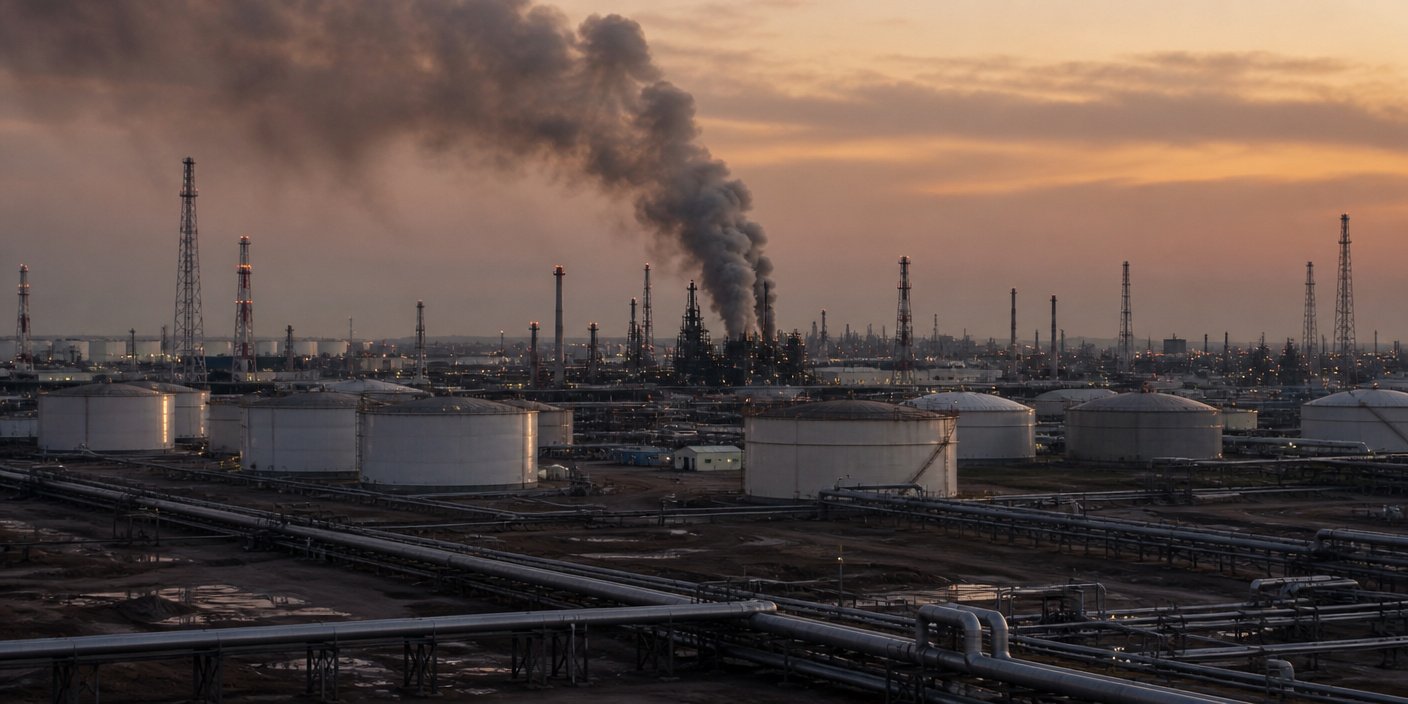
One of the most pressing segments of the town hall involved the administration’s approach to Iran. Vance framed the Iranian government’s recent activities as a direct challenge to regional stability, specifically referencing the proliferation of proxy groups and nuclear enrichment activities. He advocated for a strategy of ‘maximum economic pressure’ combined with a credible threat of force. This marks a departure from previous diplomatic-heavy approaches, signaling that the administration views deterrence as the only viable mechanism for preventing further escalation in the Middle East. By focusing on the strategic alignment between Tehran and regional non-state actors, Vance underscored the administration’s belief that passive diplomacy has historically emboldened adversaries.
Immigration and Border Security Reform

Immigration remains a flashpoint for American voters, and Vance did not shy away from the administration’s hardline stance. The Vice President argued that the current state of border security is not merely a logistical failure but a failure of political will. He highlighted that the administration’s focus is on utilizing executive authority to expedite processing and finalize the physical and technological barriers that were paused in previous years. Furthermore, he addressed the economic strain placed on municipalities, arguing that a robust interior enforcement strategy is necessary to protect the wages and safety of local citizens. This section of the town hall served as a definitive restatement of the administration’s ‘border-first’ philosophy.
Confronting Institutional Corruption
Perhaps the most controversial aspect of the evening was the discussion on ‘corruption’—a term Vance used to describe the entrenchment of permanent bureaucrats within federal agencies. Vance proposed that the primary issue is the disconnect between elected officials and civil servants who operate with little oversight. He pointed to the Department of Justice and intelligence agencies as prime candidates for structural reform. By advocating for increased executive oversight of career staff, the Vice President signaled a push toward a more accountable, yet perhaps more politicized, federal workforce. This angle provides insight into the administration’s plan to reshape the federal footprint in the coming years.
The Future: 2028 and Beyond
When pressed on the 2028 election cycle and his own future political trajectory, Vance was notably disciplined. He maintained that the administration’s current mandate is incomplete and that speculating on the next election cycle is a distraction from the ‘business of the American people.’ This rhetoric is consistent with his broader attempt to frame the administration as a ‘results-oriented’ government. However, political analysts noted that his pivot away from personal ambition allowed him to maintain focus on the policy agenda, effectively silencing (for the moment) internal party chatter regarding the next presidential ticket.
Economic Resilience and Energy
Finally, the town hall touched upon the persistent issue of inflation. Vance rejected the notion that the economy is beyond the control of the White House. Instead, he argued that energy prices are the ‘master variable’ in the American economy. By incentivizing domestic oil and natural gas production, the administration believes it can lower the cost of goods and services throughout the supply chain. This supply-side approach serves as the backbone of their economic narrative, framing regulation reduction as the primary lever to pull to combat the lingering effects of post-pandemic inflation.
FAQ: People Also Ask
Q: Did JD Vance clarify if he will run for President in 2028?
A: During the town hall, Vance declined to discuss potential 2028 plans, stating that he is fully committed to the goals of the current administration and that future political speculation is premature and unproductive.
Q: What is the administration’s specific plan for the border?
A: Vance outlined a multi-pronged approach that includes the completion of physical barrier segments, the implementation of more aggressive deportation policies for those here illegally, and stricter enforcement of workplace safety regulations to deter unlawful employment.
Q: How does the administration view the current situation with Iran?
A: The administration’s stance, as articulated by Vance, prioritizes ‘strength-based deterrence.’ This involves maintaining maximum economic pressure and clear, unambiguous communication regarding military consequences for Iranian state aggression.
Q: What does ‘administrative state’ reform mean in this context?
A: Reform of the administrative state, according to Vance, refers to increasing the accountability of unelected federal officials and career civil servants. The goal is to ensure that federal agencies operate in alignment with the directives of the elected executive branch rather than pursuing independent policy agendas.