Dow futures are trading lower in the pre-market session on September 28, 2026, as investor sentiment remains fragile amid escalating geopolitical instability in the Middle East. The primary catalyst for today’s market anxiety is a sharp appreciation in global crude oil prices, which has been exacerbated by the White House’s reported rejection of an Iranian proposal for a seven-day roadmap to de-escalate the current conflict. With the Dow Jones Industrial Average (DJIA) showing clear signs of downward pressure, market participants are bracing for heightened volatility as the energy-security nexus takes center stage in global financial discussions.
Key Highlights
- Market Snapshot: Dow futures have slipped in early trading, reflecting a broader retreat from risk-on assets as investors seek shelter from geopolitical uncertainty.
- Energy Spike: Global crude oil benchmarks, including WTI and Brent, are rallying significantly, raising immediate concerns about potential inflationary pressures and rising transportation costs.
- Diplomatic Deadlock: The Trump Administration has formally declined a seven-day de-escalation roadmap presented by Iranian authorities, citing concerns over the proposal’s lack of long-term security guarantees, though dialogue is expected to persist.
- Investor Sentiment: Market volatility metrics, including the CBOE Volatility Index (VIX), are trending upward, signaling a potential shift in investor risk appetite across the major indices.
The Energy-Geopolitical Nexus: A New Risk Premium
The immediate impact of the current standoff in the Middle East is the re-emergence of a significant ‘risk premium’ on global energy markets. For the Dow Jones Industrial Average—an index heavily influenced by industrial and consumer-facing giants—the correlation between oil prices and equity performance has become critically inverted. As crude prices climb, the projected cost of goods sold (COGS) for energy-dependent sectors, including airlines, shipping, and manufacturing, is immediately re-priced by market analysts.
Crude Oil as a Market Driver
When energy prices spike due to localized regional conflicts, the market reaction is rarely linear. Today’s shift is driven by the potential for supply chain disruptions in the Persian Gulf. Historically, when oil benchmarks move upward with such velocity, it creates a dual-threat for the U.S. economy: it increases input costs for producers, and it acts as a tax on the consumer, potentially dampening discretionary spending. Investors today are clearly pricing in the possibility that this conflict could persist for weeks, if not months, rather than days.
The Inflationary Outlook
Beyond the immediate equity sell-off, bond markets are reacting to the energy shock with equal intensity. The 10-Year Treasury Yield has shown slight fluctuations, suggesting that the Federal Reserve may be forced to keep interest rates elevated for longer than previously anticipated if energy-driven inflation becomes entrenched. For the Dow, this suggests that the ‘soft landing’ narrative is increasingly being challenged by the ‘geopolitical disruption’ reality.
Diplomatic Stalemate: The White House Position
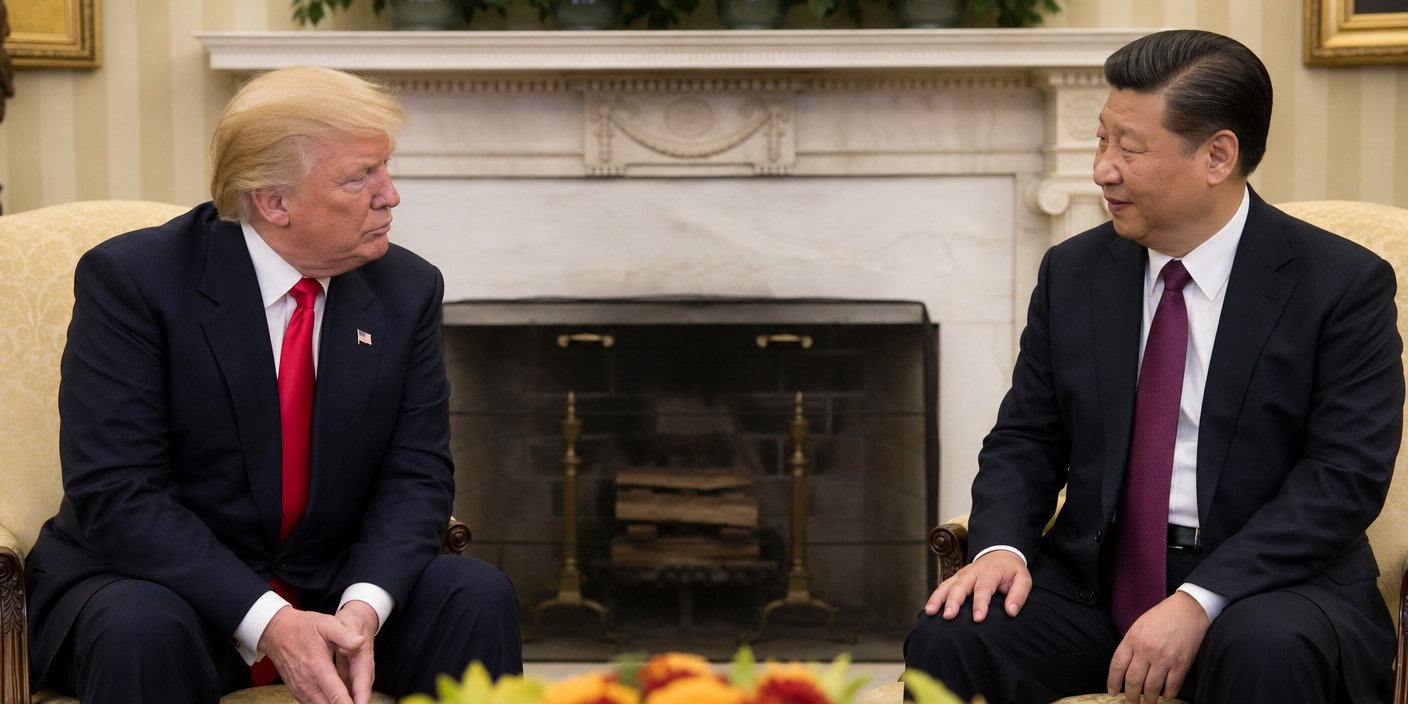
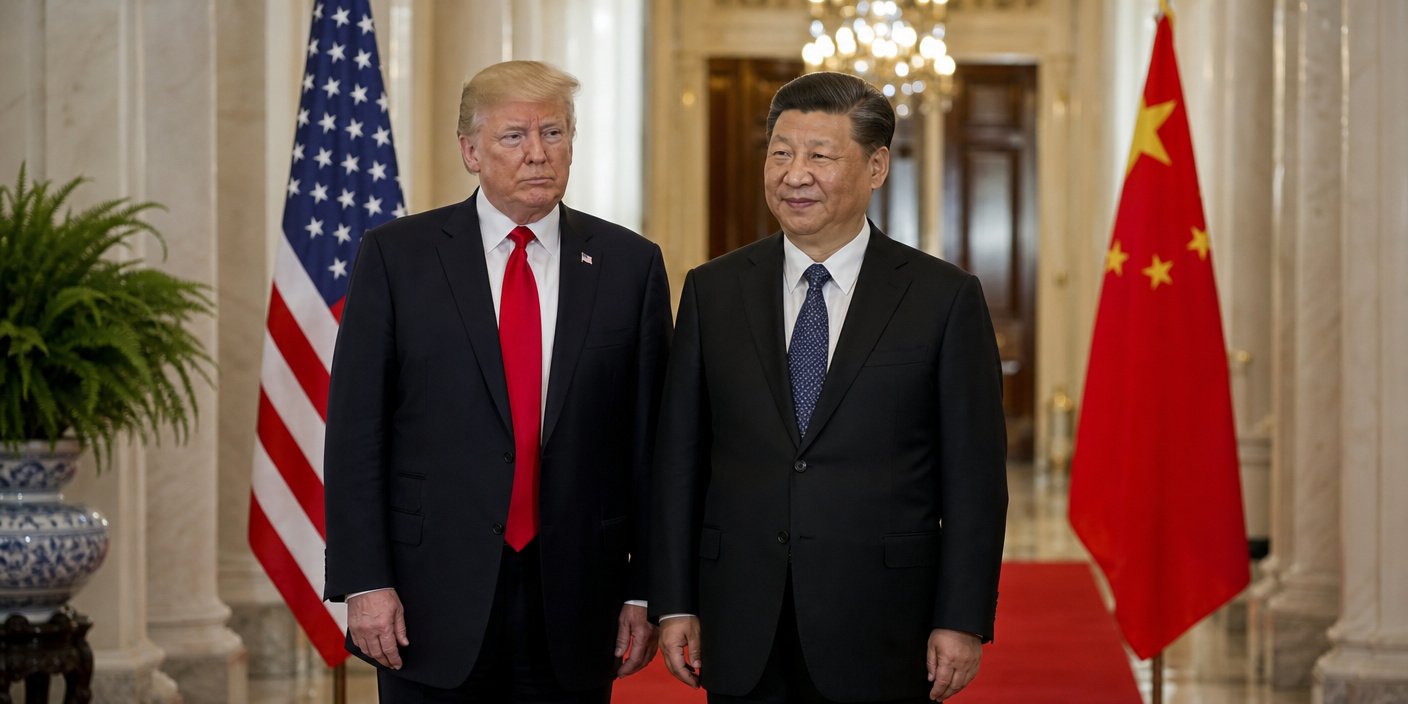
The market’s focus is squarely on the diplomatic channel between Washington and Tehran. According to reports finalized early this morning, the Iranian government proposed a seven-day roadmap intended to serve as a framework for ending the current escalation. However, the Trump Administration has rejected the proposal, viewing it as insufficient to guarantee long-term stability or address core security concerns regarding regional navigation and energy export infrastructure.
Tactical Negotiations
Despite the rejection, sources within the administration indicate that the door for future negotiations remains open. This ‘on-again, off-again’ negotiation dynamic is creating a ‘whipsaw’ effect in the markets. Algorithmic trading desks, which are highly sensitive to headlines, are causing the Dow to oscillate as news breaks regarding the status of these talks. While the rejection has caused an immediate slide, the market remains expectant of a potential counter-offer or a revised framework, preventing a total collapse of sentiment.
The Role of Global Energy Security


White House officials have emphasized that the administration’s priority is not just conflict resolution, but the assurance of global energy security. Any roadmap to peace, they argue, must include ironclad protections for oil tankers and pipelines. For the Dow, this adds a layer of uncertainty: the market is now waiting to see if energy prices will stabilize through diplomatic means or if the volatility will become the ‘new normal.’
Market Psychology and The Flight to Quality
As we look at the trading landscape today, there is a clear trend toward ‘flight to quality.’ Institutional investors are moving capital out of high-beta tech stocks and cyclical industrial components within the Dow, shifting instead toward defensive sectors such as utilities, consumer staples, and precious metals. This is a classic behavioral finance response to uncertainty.
Assessing Volatility
The VIX index, or ‘fear gauge,’ has seen a noticeable uptick since the markets closed yesterday. This suggests that the sell-off is not merely reactionary but represents a sustained re-positioning of portfolios. When institutional investors shift toward defensive assets, it signals that they do not see a quick, ‘V-shaped’ recovery for the Dow in the immediate term. Instead, they are positioning for a period of protracted tension.
Sector Analysis
Within the Dow, the energy sector is currently the only segment showing any form of resistance to the downward pressure. Companies involved in traditional extraction and midstream infrastructure are finding support from the rising cost of the underlying commodity. Conversely, airline stocks and consumer-facing brands are facing significant headwinds, as the market anticipates that higher gas prices will erode the average consumer’s purchasing power heading into the final quarter of the year.
Forward Projections: What Comes Next?
The market is currently in a state of suspended animation, awaiting the next headline. Whether it is a follow-up announcement from the White House regarding the next steps in the Iranian negotiations, or a significant move in the WTI crude price, the Dow is highly reactive.
Institutional Sentiment
Analysts are currently focused on whether the administration can secure a bridge to a more stable diplomatic environment. If a new, more comprehensive framework is presented, we could see a rapid ‘relief rally’ in the Dow. However, if the rhetoric continues to harden, we should expect continued pressure on the indices. Investors are advised to watch the 10-year Treasury yield and the price of oil as the most accurate barometers of market sentiment.
Economic Resilience
Despite the tension, the underlying U.S. economic data—outside of the energy sector—remains resilient. Labor markets and consumer demand have remained robust throughout the year. The question for the remainder of the trading session today, and likely through the week, is whether this geopolitical shock will be treated as a temporary interruption or a fundamental shift in the macro-economic environment.
FAQ: People Also Ask
Q: Why do Dow futures fall when oil prices rise?
A: Generally, rising oil prices act as a tax on the economy. They increase operational costs for businesses, particularly in manufacturing, logistics, and transportation, which lowers profit margins and, by extension, the valuation of companies within the Dow Jones Industrial Average. It also reduces discretionary income for consumers, which can dampen sales for retail-focused companies in the index.
Q: What does the White House’s rejection of the Iranian proposal mean for the market?
A: The rejection signals that the path to a de-escalation is likely to be long and difficult. Markets prefer certainty; by rejecting the proposal, the White House has signaled that the geopolitical risk will persist, which causes investors to pull back and demand higher risk premiums, leading to the current slide in futures.
Q: How should investors approach this level of volatility?
A: Financial advisors often recommend maintaining a diversified portfolio that is not over-leveraged in cyclical sectors. During periods of geopolitical tension, defensive sectors like consumer staples, utilities, and healthcare tend to exhibit less volatility than tech or industrial stocks. Investors should focus on long-term fundamentals rather than reacting to daily news headlines, which are often noisy and driven by algorithmic trading.