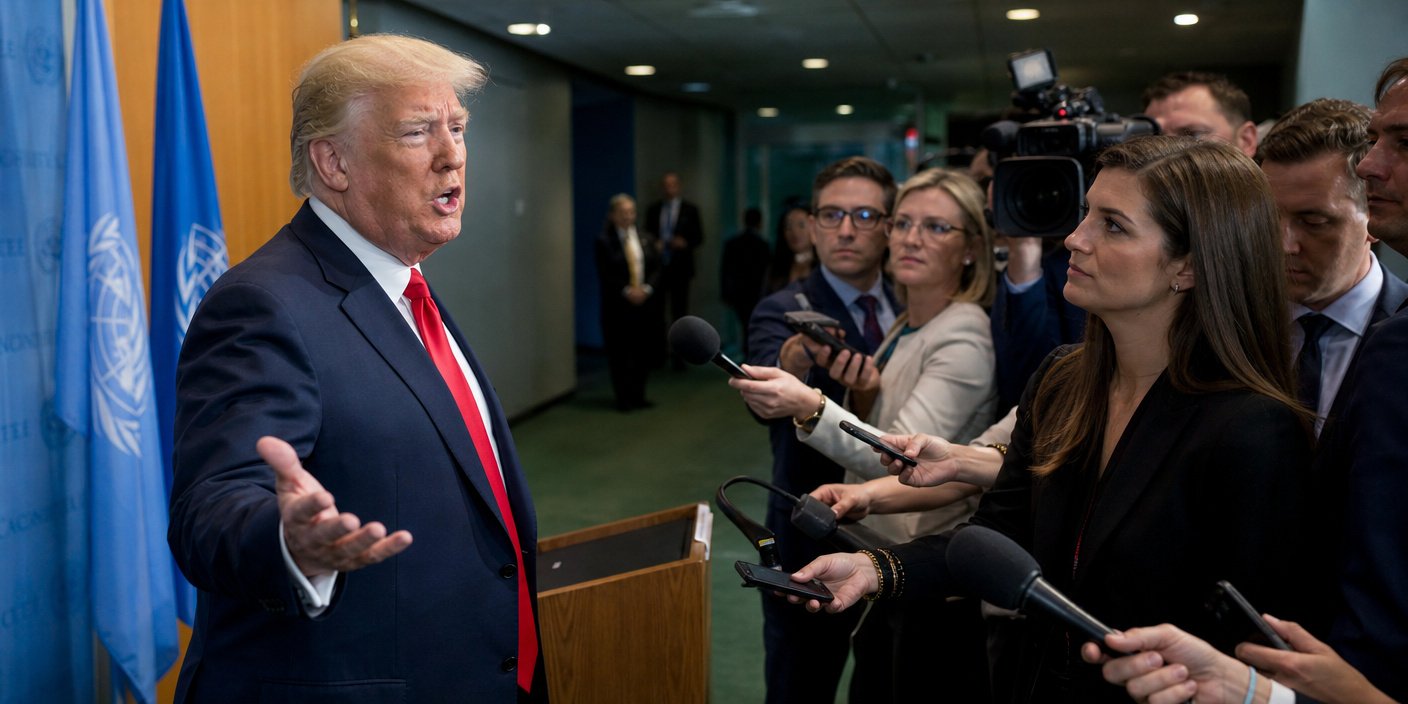
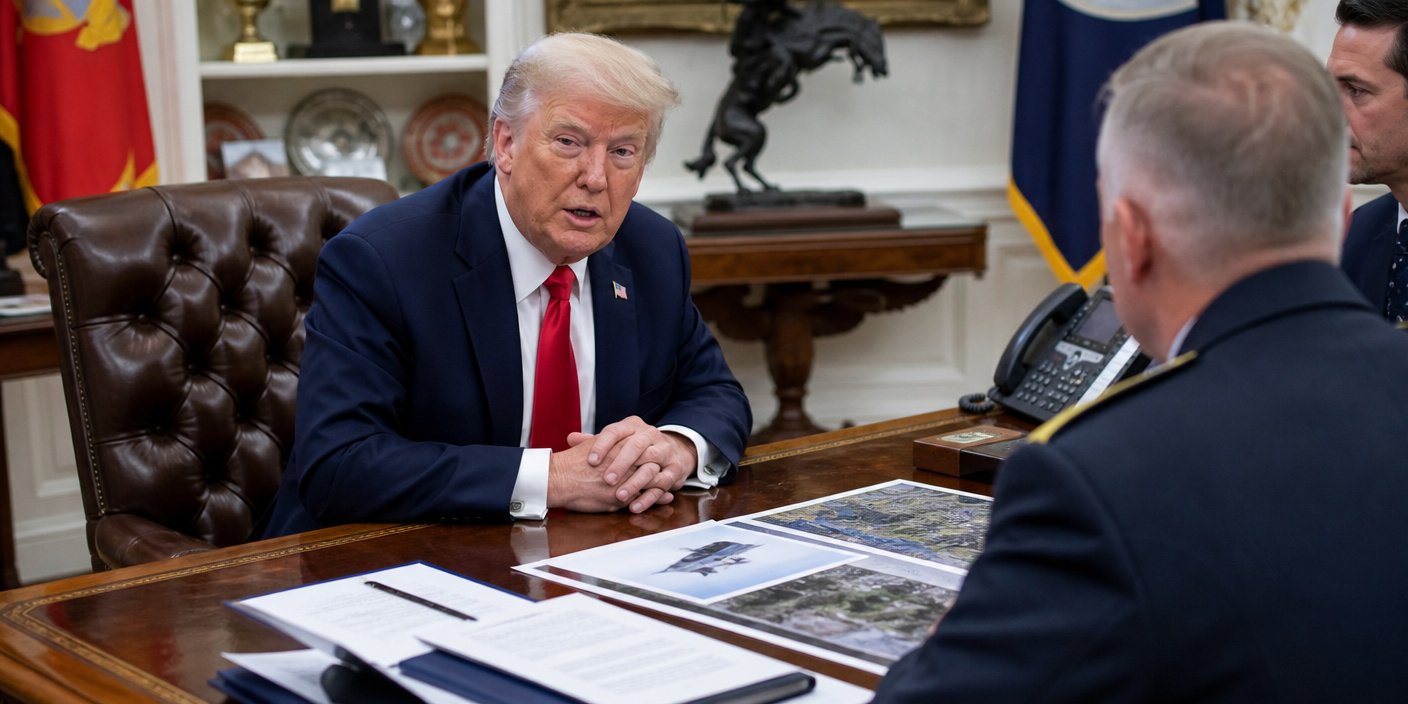
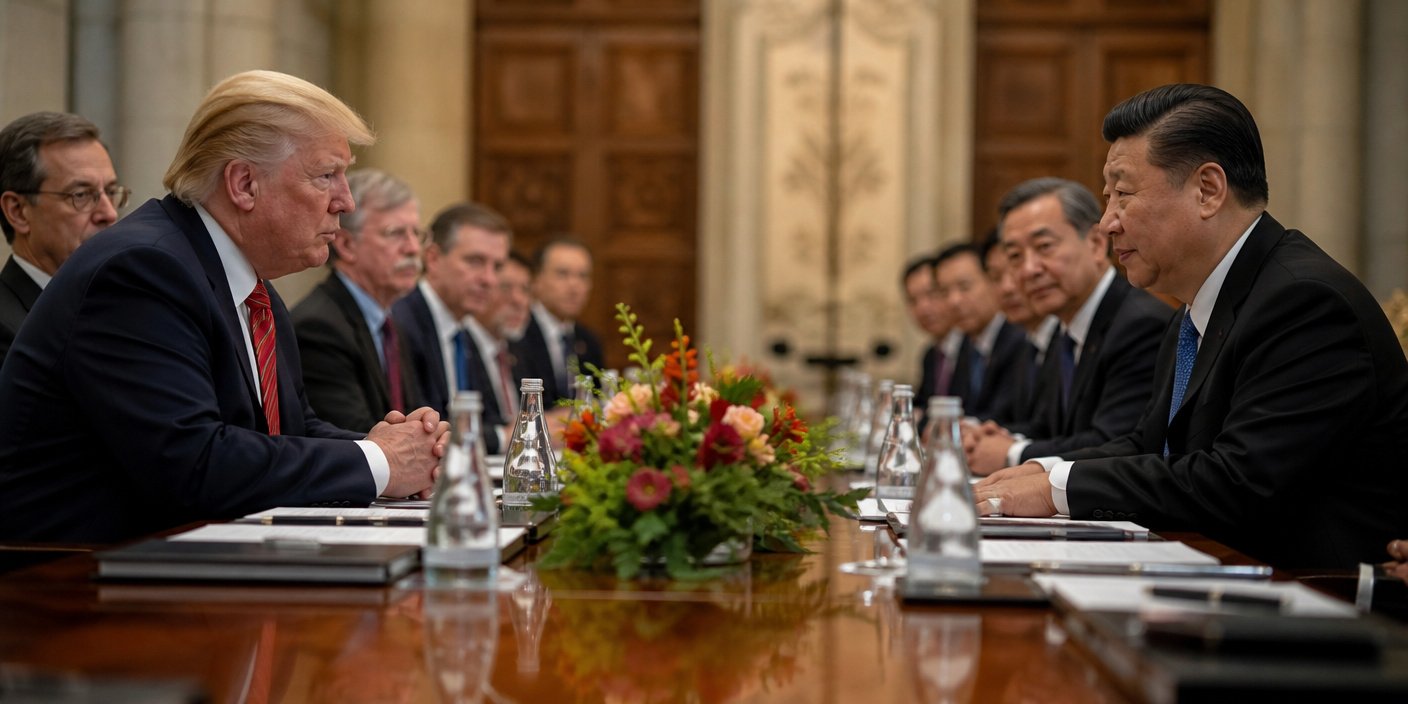
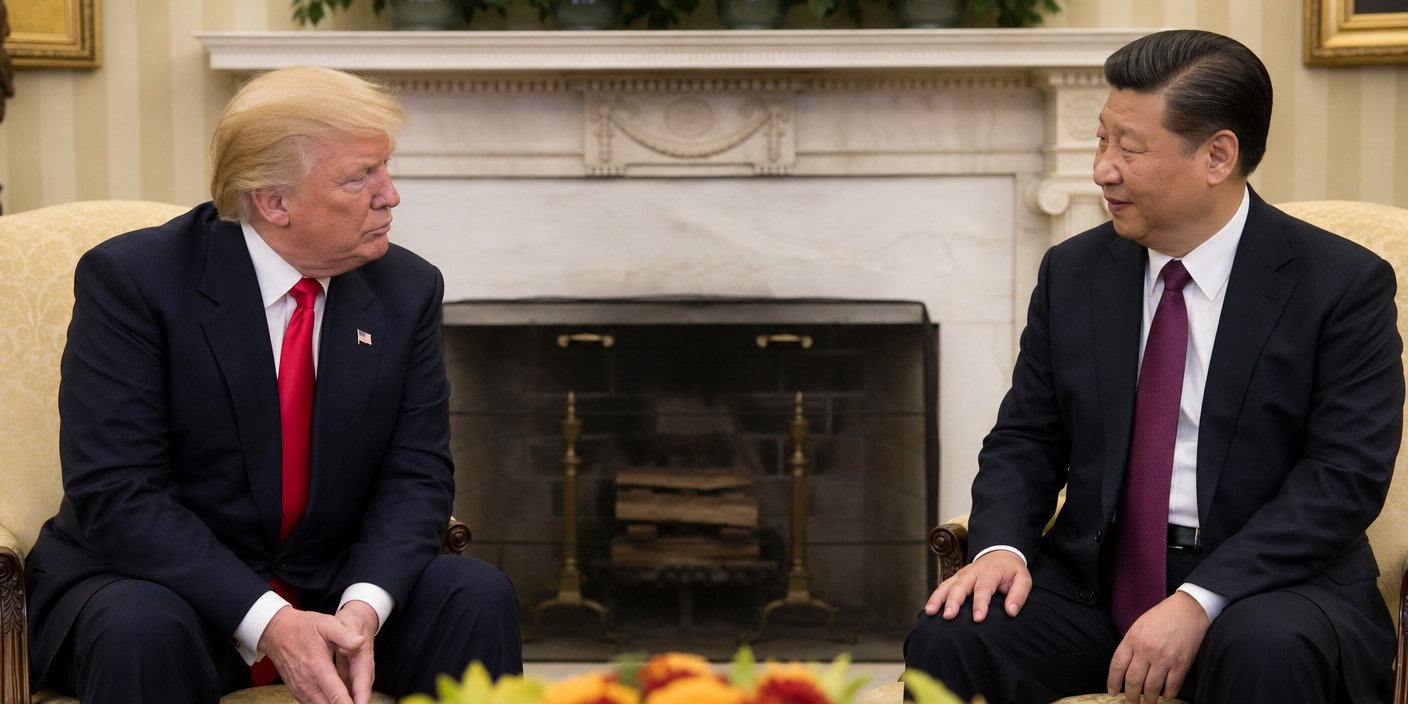
The conclusion of the recent summit in Washington between President Donald Trump and President Xi Jinping marks a potential turning point in the world’s most significant bilateral relationship. Emerging from high-level negotiations, the two leaders have announced a concrete trade agreement highlighted by $30 billion in reciprocal tariff reductions, alongside the establishment of a formal dialogue dedicated to the regulation and advancement of artificial intelligence. This development, which follows months of escalating tensions and market uncertainty, signals a strategic pivot toward de-escalation and controlled economic integration. As both nations grapple with domestic economic pressures and rapid technological evolution, this accord provides a necessary framework for stabilization, potentially reshaping the global trade landscape for the coming fiscal year.
Key Highlights
- Reciprocal Trade Relief: The deal secures $30 billion in reciprocal tariff reductions, targeting key sectors including manufacturing, consumer goods, and critical industrial supplies.
- AI Cooperation Framework: A newly announced artificial intelligence dialogue will establish protocols for safety, ethical deployment, and cross-border innovation standards.
- Strategic Summit Outcome: The agreement was finalized following a comprehensive, high-stakes summit in Washington, emphasizing personal diplomacy between President Trump and President Xi.
- Economic Stabilization: The reduction in trade barriers is expected to provide immediate relief to supply chains, with analysts anticipating a cooling of inflationary pressures in both nations.
Navigating the New Economic and Technological Corridor
The agreement finalized in Washington is not merely a cessation of hostilities in the trade war; it is a recalibration of the economic arteries connecting the world’s two largest economies. For the past several years, the imposition of tariffs had created a friction-heavy environment that burdened importers and exporters alike. The decision to implement $30 billion in reciprocal tariff reductions represents a deliberate release of this pressure. Economists tracking the summit suggest this move will likely incentivize a return to pre-conflict trade volumes, lowering the cost of goods for end-consumers and providing manufacturers with a more predictable operating environment.
The Mechanics of the Tariff Rollback
The $30 billion figure, while significant, is viewed by financial analysts as a surgical intervention rather than a blanket removal of all protective measures. The reductions are structured to prioritize sectors that have historically acted as bellwethers for the U.S.-China trade relationship. By alleviating these specific burdens, the administration aims to stimulate domestic investment and encourage a thawing of relations between corporate stakeholders in both nations. This section of the deal acts as a ‘confidence measure,’ intended to signal to global markets that both Washington and Beijing are committed to a sustainable, rather than adversarial, economic coexistence.
Artificial Intelligence: The New Frontier of Diplomacy
Perhaps the most forward-looking aspect of the summit is the establishment of a dedicated Artificial Intelligence dialogue. As AI technology accelerates, becoming the backbone of national defense, economic competitiveness, and social infrastructure, the lack of a shared lexicon or set of safety protocols had become a major point of anxiety for policymakers. By agreeing to a formal dialogue, the U.S. and China are essentially acknowledging that they cannot afford for AI development to proceed in a ‘Wild West’ environment.



This dialogue is expected to cover a wide spectrum of issues, from the ethical implications of autonomous systems to the technical standards required for interoperability. While details on specific regulatory limitations remain nascent, the commitment to communication itself is a vital win. It shifts the narrative from zero-sum competition to a framework where both superpowers recognize mutual risks. This is critical: in the realm of AI, catastrophic failure or uncontrolled proliferation poses a trans-Pacific danger that neither capital can mitigate alone.
Geopolitical Balancing and Historical Context
To understand the significance of this summit, one must view it through the lens of recent history. The relationship between the U.S. and China has cycled through various phases of engagement and decoupling. Previous efforts to manage these differences often stalled over disputes regarding intellectual property, market access, and state subsidies. The inclusion of an AI dialogue alongside traditional trade measures suggests a modernized approach to diplomacy, where ‘economic’ and ‘technological’ security are now treated as inextricably linked.
Observers note that the timing of this deal—occurring during a period of complex global realignment—serves as a stabilizing anchor. By settling immediate trade disputes, both administrations can now focus on long-term domestic agendas, including managing inflation in the U.S. and navigating structural economic transitions in China. This is not necessarily a return to a ‘golden age’ of cooperation, but rather a transition to a ‘pragmatic realism’ phase.
Market Outlook and Future Predictions
Global markets have responded with cautious optimism to the summit’s conclusion. The immediate reduction in tariff volatility provides companies with a clearer outlook for capital expenditure. However, the true test will be the long-term adherence to the agreement. Historically, trade pacts between these two nations have faced implementation hurdles. Investors are looking for signs of consistent enforcement and a continued commitment to the AI dialogue channels.
Looking ahead, if the $30 billion tariff reduction achieves its intended goal of stimulating trade, we may see calls for further liberalization in the next summit cycles. Conversely, if the AI dialogue yields early, tangible results in safety standards, it could pave the way for broader cooperation on other emerging technologies, such as quantum computing and renewable energy grids. For now, the world watches as this ambitious framework is put into practice, marking a tangible, if fragile, step toward greater stability between Washington and Beijing.
FAQ: People Also Ask
Q: What is the primary significance of the $30 billion tariff reduction?
A: It represents a strategic move to lower costs for businesses and consumers, aimed at revitalizing trade volumes and reducing inflationary pressures that have been exacerbated by the trade war.
Q: Why is an artificial intelligence dialogue included in a trade agreement?
A: Because AI is currently a central pillar of economic growth and national security. The dialogue is intended to align safety standards and ethical protocols to prevent technological decoupling and manage the risks associated with rapid AI development.
Q: Does this deal end all trade tensions between the U.S. and China?
A: No. While it is a significant de-escalation, it is a targeted framework rather than a total elimination of all trade disputes. It addresses current bottlenecks but leaves space for continued negotiations on more complex issues.
Q: Who were the key figures leading the negotiations?
A: The negotiations were driven by President Donald Trump and President Xi Jinping, reflecting the high-level, direct diplomatic approach required to secure an agreement of this magnitude.