In a historic and painful reckoning for the labor movement, civil rights leader Dolores Huerta has issued a formal statement addressing the sexual misconduct allegations levied against the late United Farm Workers (UFW) co-founder, Cesar Chavez. The statement, which follows a deep-dive investigative report by The New York Times, shatters a six-decade silence surrounding the behavior of one of the most revered figures in American history. The allegations, which include testimonies from multiple women who worked within the movement, have forced a critical reassessment of Chavez’s legacy and the structural dynamics that allowed such behavior to persist for generations.
The Anatomy of the New York Times Investigation
The catalyst for this public acknowledgment was a comprehensive investigative report published in June 2024 by The New York Times. The investigation utilized archival documents, personal journals, and interviews with former UFW members to shed light on a pattern of abuse that had been long whispered about but rarely confronted in public discourse. The reporters detailed claims from several women who asserted that Chavez—an icon of social justice and nonviolent protest—engaged in predatory behavior, utilizing his position of power within the movement to coerce or exploit subordinates.
These allegations provide a stark contrast to the public image of the UFW, which prided itself on moral clarity and the dignity of the farmworker. The report highlighted how the insular nature of the movement, combined with the hero-worship surrounding Chavez, created an environment where survivors felt unable to report their experiences without fear of retaliation or social ostracization. This culture of silence is not unique to the UFW, but its presence within an organization built on the principles of justice and equality makes the revelations particularly jarring for historians and activists alike.
Dolores Huerta’s Response: Acknowledgment and Accountability
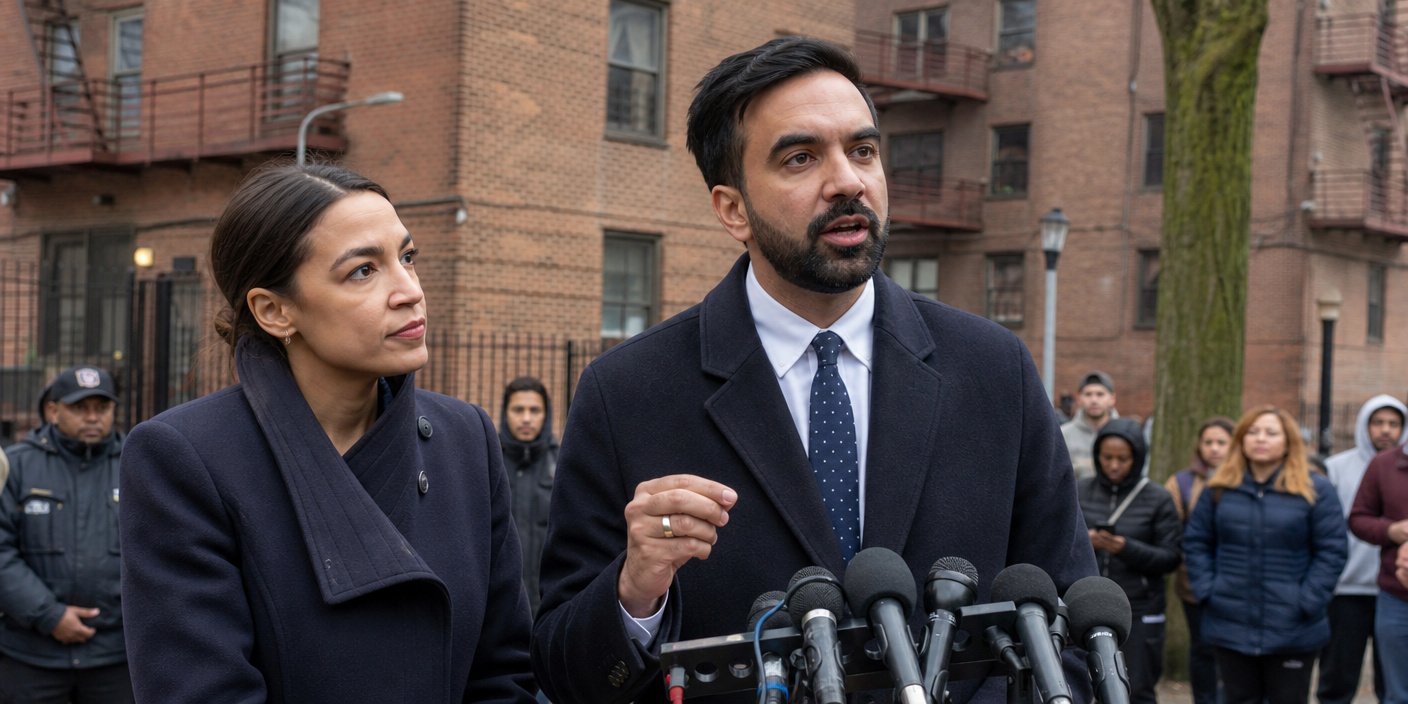
Dolores Huerta, who co-founded the UFW with Chavez and remains a preeminent voice for Chicano civil rights, released a statement that sought to bridge the gap between historical reverence and the harsh reality of the current revelations. In her response, Huerta did not attempt to minimize the pain expressed by the survivors. Instead, she acknowledged the gravity of the allegations and expressed deep sorrow for those who were harmed under the leadership of the man with whom she shared the frontlines for decades.


Huerta’s statement serves as a critical pivot point for the movement. By breaking a 60-year silence, she has validated the experiences of the women who came forward, providing institutional legitimacy to claims that might otherwise have been dismissed as historical revisionism. Her willingness to confront these uncomfortable truths suggests a shift in the labor movement’s approach to accountability, signaling that the protection of legacy can no longer supersede the protection of individuals.
The Secondary Angles of a National Reckoning
1. The Evolution of Heroism: Historical context is vital when analyzing the downfall of icons. Chavez operated in an era where male-dominated leadership structures were largely unchallenged. The modern assessment of these events requires a nuanced understanding of how historical figures are often pedestalized, and how the collapse of that pedestal forces a society to grapple with the ‘great man’ theory of history. Can we honor the labor gains of the UFW while simultaneously condemning the actions of its leader? This is the central tension now defining the discourse.
2. The ‘Culture of Silence’ in Insular Movements: The UFW functioned as a family and a tight-knit political collective. Research into institutional abuse patterns suggests that such environments are highly susceptible to silencing mechanisms. The investigation into Chavez offers a case study on how charismatic leadership can mutate into authoritarian control, where the ‘greater good’ of the cause is weaponized to suppress personal suffering. Examining this pattern is essential for contemporary social movements seeking to build safer, more equitable internal structures.
3. Future Predictions for the UFW and Labor Activism: The immediate impact on the UFW is significant. Organizations often struggle to maintain donors, volunteers, and public trust following such revelations. We anticipate a period of internal auditing and reform within the UFW and its affiliated organizations, such as the Dolores Huerta Foundation. This may lead to the adoption of formal, third-party grievance mechanisms that ensure future allegations of misconduct—regardless of the status of the accused—are investigated with transparency and impartiality.
FAQ: People Also Ask
Q: What exactly did the New York Times investigation reveal about Cesar Chavez?
A: The investigation detailed multiple accounts of sexual misconduct, including unwanted sexual advances, coercion, and abuse of power, allegedly perpetrated by Cesar Chavez against women working within the United Farm Workers movement over several decades.
Q: How long did Dolores Huerta remain silent regarding these claims?
A: Dolores Huerta had maintained a silence regarding these specific allegations for approximately 60 years, spanning from the early days of the UFW’s formation to the current moment of public reckoning.
Q: What is the official position of the Dolores Huerta Foundation on this matter?
A: The Foundation has aligned with Huerta’s recent public statements, which emphasize the necessity of believing survivors and addressing the systemic issues that allowed such behavior to occur within the movement.
Q: Is the labor movement expected to remove honors or statues associated with Cesar Chavez?
A: While there has been no centralized decision to remove monuments, the conversation is shifting. Many local organizations and academic institutions are currently debating how to balance recognizing Chavez’s contribution to labor rights with the documented harm caused by his personal actions.