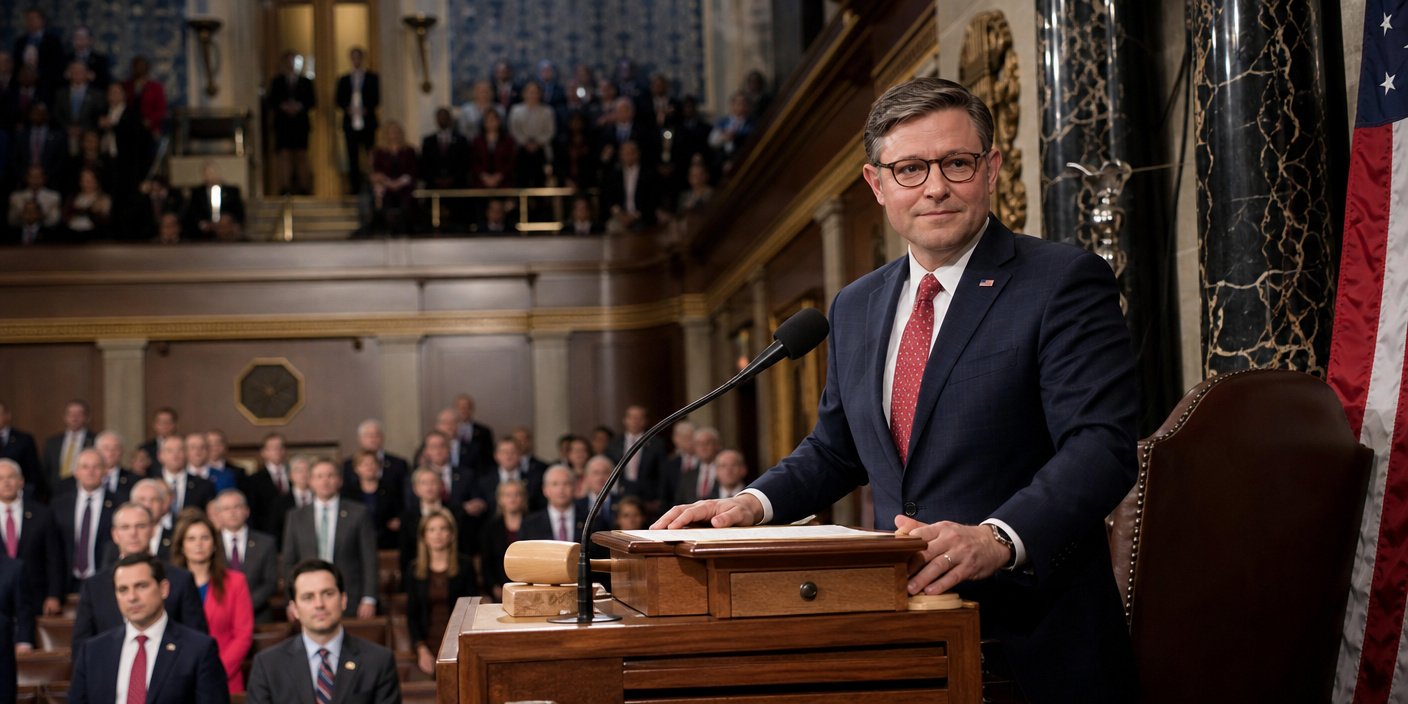
The Senate Justice Committee has officially advanced the nomination of Todd Blanche for Attorney General, a pivotal move that intensifies the debate over the future direction of the Department of Justice (DOJ). The committee vote, while marking a significant milestone in the confirmation process, arrived amidst sharp criticism from Democratic senators regarding Blanche’s previous legal work as a high-profile defense attorney for President-elect Donald Trump. This advancement sets the stage for a contentious floor battle in the full Senate, where the debate over institutional independence and political loyalty is expected to take center stage.
Key Highlights
- Committee Advancement: The Senate Justice Committee has successfully voted to advance the nomination of Todd Blanche for Attorney General, pushing the process toward a full Senate vote.
- Core Controversy: Democratic opposition remains focused on Blanche’s historical role as a primary legal advocate for Donald Trump, with critics raising alarms regarding potential conflicts of interest.
- Institutional Concerns: The nomination has reignited national conversations regarding the balance between partisan legal defense and the impartial administration of federal justice.
- Next Steps: With the committee’s hurdle cleared, the nomination moves to the full Senate chamber, where a simple majority will decide the final outcome.
The Confirmation Path: Political Friction at the Justice Committee
The Senate Justice Committee’s decision to advance the Todd Blanche nomination for Attorney General represents a major inflection point in the current administration’s efforts to staff the federal judiciary and executive departments. The committee session, marked by procedural rigor and sharp partisan rhetoric, highlighted the deep ideological divide currently characterizing Washington’s oversight processes.
For supporters of the nomination, the advancement is viewed as a necessary step in aligning the DOJ with the incoming administration’s stated policy mandates. They argue that Blanche possesses the requisite legal acumen to lead the agency and implement a new, more aggressive vision for federal law enforcement. Proponents emphasize his courtroom experience, suggesting that his familiarity with the complexities of the legal system makes him a formidable choice to lead the department.
However, the advancement was not without significant friction. Democratic members of the committee utilized the hearing to interrogate the implications of installing an attorney with such direct, recent links to the President-elect. The primary point of contention revolves around the ‘deal-making’ tactics Blanche employed during his tenure as counsel for Donald Trump. Critics argue that these actions reflect a prioritization of political survival over the neutral enforcement of the law, a standard they insist is foundational to the integrity of the Attorney General position.
The ‘Defense to Prosecutor’ Transition
One of the more nuanced elements of the discourse surrounding the Blanche nomination is the historical context of a defense attorney transitioning into the role of the nation’s top prosecutor. Historically, the position of Attorney General has been occupied by figures with diverse backgrounds—ranging from federal prosecutors to high-ranking jurists and academics. The transition from private defense counsel to the Department of Justice is rare, though not unprecedented.



The core of the opposition’s concern lies in the perception of institutional capture. When an individual has spent years crafting legal strategies specifically designed to insulate a political figure from prosecution, the transition to the role of the chief federal prosecutor creates optics that many find deeply problematic. The debate in the Senate committee underscored these concerns, with several members questioning whether Blanche would be able to disentangle his professional history from his official duties.
Implications for the Department of Justice
Beyond the individual, the nomination raises broader questions about the future operational strategy of the Department of Justice. As the chief law enforcement officer, the Attorney General exerts significant influence over the allocation of resources, the setting of prosecution priorities, and the overarching policy framework of the department.
Industry analysts and legal scholars are closely monitoring how a potential Blanche-led DOJ would navigate its relationship with the White House. There are speculations that we could see a fundamental restructuring of the department’s internal oversight divisions, a shift in how federal crimes are prosecuted, and a move toward prioritizing specific types of investigations. For the civil service employees within the DOJ, this uncertainty creates an atmosphere of anxiety regarding the potential for radical departures from longstanding internal norms and established prosecutorial guidelines.
The Road Ahead: Full Senate Dynamics
The advancement out of the committee does not equate to confirmation. As the nomination moves to the floor of the Senate, the political arithmetic becomes the primary driver of the narrative. The Senate, which is currently balanced on a knife-edge, will likely see intense lobbying efforts from both sides of the aisle. The Blanche nomination will require a disciplined whip operation to ensure that the necessary votes are secured for a final confirmation.
Partisan lines are expected to harden as the vote approaches. For Senate leadership, the priority will be to maintain caucus unity while managing the political fallout of a nomination that has become a lightning rod for broader societal disagreements about the rule of law. The upcoming confirmation hearings—or floor debates, should they be expedited—are anticipated to be some of the most highly scrutinized events of the current legislative session.
FAQ: People Also Ask
Q: What is the primary role of the Attorney General in the U.S.?
A: The Attorney General serves as the head of the United States Department of Justice and acts as the chief law enforcement officer and chief lawyer for the federal government. They provide legal advice to the President and the heads of executive departments and oversee the federal prosecution system.
Q: Why are Democrats opposing the nomination of Todd Blanche?
A: Democratic opposition is primarily centered on Blanche’s past professional history as a defense attorney for President-elect Donald Trump. Critics argue that his background in representing the President in significant legal battles creates a conflict of interest that could compromise the independence of the Justice Department.
Q: What happens now that the Senate Justice Committee has advanced the nomination?
A: The nomination will now proceed to the full Senate chamber. A vote will be scheduled for the entire body, where a simple majority is required to confirm the nominee to the position.
Q: Is it common for defense attorneys to become Attorney General?
A: While not unheard of, the transition from acting as a personal defense attorney for a sitting President to the role of Attorney General is highly unusual and has been a central point of contention in this nomination process, with opponents citing it as a departure from traditional institutional norms.