President Donald Trump confirmed he aborted a targeted military strike against Iranian military assets just minutes before launch, opting instead to prioritize a fragile diplomatic window. The decision, rooted in a rigorous proportionality assessment regarding potential casualties, has immediately shifted the global focus toward the possibility of a negotiated peace deal and the stabilization of the critical Strait of Hormuz, one of the world’s most vital energy transit chokepoints.
The Proportionality Doctrine: Deconstructing the Last-Minute Stand-Down
In a move that surprised military analysts and global observers alike, the decision to scrub the mission against Iranian radar and missile batteries came as operational assets were already moving into position. The strategic pivot was driven by a fundamental calculation: the potential loss of life. Reports indicate that the estimated death toll—projected to be roughly 150 casualties—was deemed disproportionate to the loss of an unmanned U.S. surveillance drone. This decision highlights a significant evolution in executive military decision-making, where the political and humanitarian cost of direct engagement is being weighed heavily against the strategic necessity of deterrence.
By pulling back, the administration has introduced a temporary calm to an escalating timeline. The pause provides both Washington and Tehran a brief, albeit precarious, space to navigate the current geopolitical friction. This ‘tactical pause’ is not merely an absence of conflict; it is a signal to regional partners that the United States is currently testing the efficacy of diplomatic leverage before resorting to hard power, effectively keeping military options on the table while simultaneously extending an olive branch for negotiations.
The Strategic Significance of the Strait of Hormuz
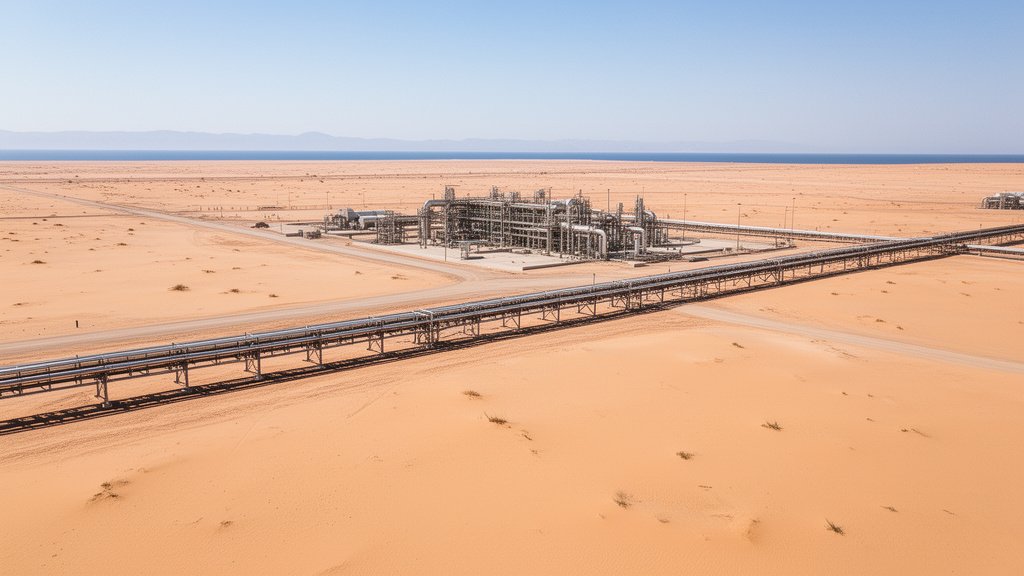
At the core of these ongoing tensions lies the Strait of Hormuz, a narrow waterway through which approximately 20% of the world’s total petroleum consumption passes daily. The security of this maritime corridor is an essential pillar of global economic stability. Any disruption here—whether through military blockade, mining, or aggressive interdiction—would result in immediate, volatile spikes in global oil prices, potentially triggering a broader economic shockwave.


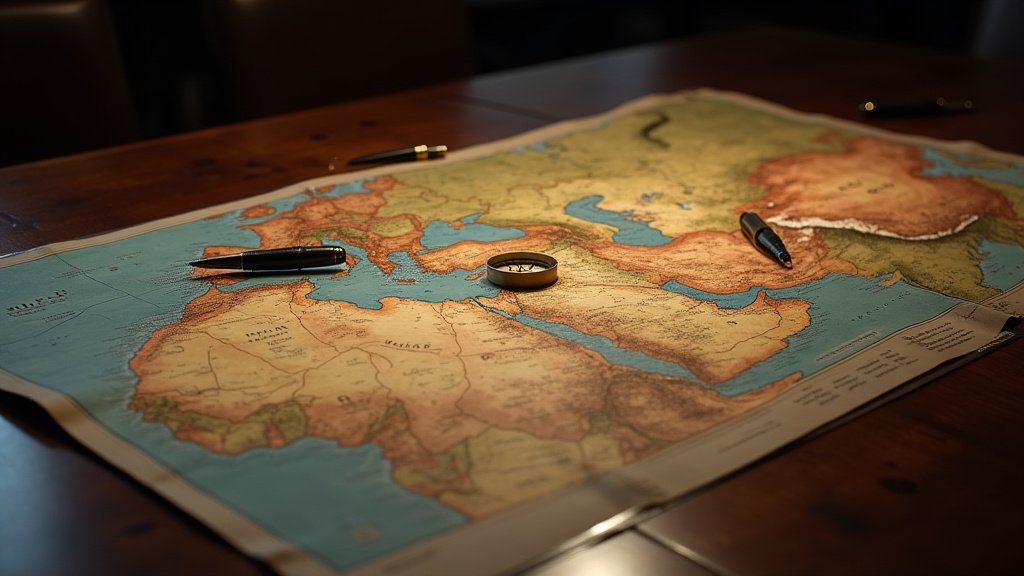
Negotiations regarding the Strait of Hormuz are complex. They involve not only Iran’s domestic military ambitions but also the security guarantees required by Gulf allies and the international community. A deal focused on the stability of this waterway would likely necessitate verifiable commitments from Tehran to cease harassment of commercial shipping and an acknowledgment of the freedom of navigation principles. For the U.S., securing the Strait without firing a shot represents a significant diplomatic victory, effectively neutralizing a major security threat through policy rather than combat.
Geopolitical Ripples and Regional Stability
Beyond the immediate military standoff, the cancellation of the strike has rippled through the regional security architecture. Allies in the Middle East, who have been bracing for a period of heightened instability, are now observing how the U.S. balances its policy of ‘maximum pressure’ with the pragmatic reality of open conflict. This shift suggests that while the current administration maintains a firm stance, it is unwilling to be drawn into a prolonged, asymmetrical conflict that could divert resources from broader strategic priorities, such as the competition with China or domestic economic imperatives.
For Tehran, the cancellation presents a choice: leverage this reprieve to finalize a substantive peace deal that addresses international concerns, or continue with policies that invite renewed isolation. The ball is effectively in Iran’s court, and the coming weeks will determine whether this de-escalation leads to a permanent lowering of the regional temperature or if it merely serves as a temporary lull in a much longer-term adversarial cycle.
The Diplomatic Pivot: Is De-escalation Possible?
Can this standoff actually lead to a long-term peace deal? The answer lies in the technical details of the proposed negotiations. A successful deal would likely need to address several disparate threads: the enrichment of nuclear material, the scope of regional ballistic missile programs, and the safety of maritime trade. The challenge for diplomacy is that these are not isolated issues; they are deeply intertwined.
If the U.S. and Iran can reach a consensus on the Strait of Hormuz, it could serve as a ‘confidence-building measure’—a limited but essential step toward a broader framework. Such a deal would require both sides to concede on issues of face and sovereignty, a high bar in the current climate. However, by choosing the path of negotiation over the path of a kinetic strike, the administration has created the only variable that allows for a peaceful outcome: time. In diplomacy, as in military strategy, time is often the most valuable, and most fleeting, asset.
FAQ: People Also Ask
Q: Why did President Trump decide to cancel the military strike on Iran at the last minute?
A: President Trump cited the principle of proportionality. He determined that the estimated loss of life (150 people) was not a commensurate response to the downing of an unmanned U.S. surveillance drone, opting to seek a diplomatic solution instead.
Q: Why is the Strait of Hormuz so critical to international security?
A: The Strait of Hormuz is one of the world’s most vital energy chokepoints. Approximately 20% of the global oil supply passes through this narrow passage daily, making its stability essential for global economic health and energy security.
Q: Does this cancellation mean the military threat is removed?
A: No. While the specific strike was canceled to allow for diplomatic efforts, the U.S. continues to maintain a strong military posture in the region. The decision is a tactical pause to prioritize diplomacy, but it does not represent a permanent removal of military options if negotiations fail.
Q: Who are the key entities involved in these negotiations?
A: The primary entities include the Trump administration, the government of Tehran, regional partners in the Middle East, and the U.S. Central Command (CENTCOM), which manages the military operations in the region.