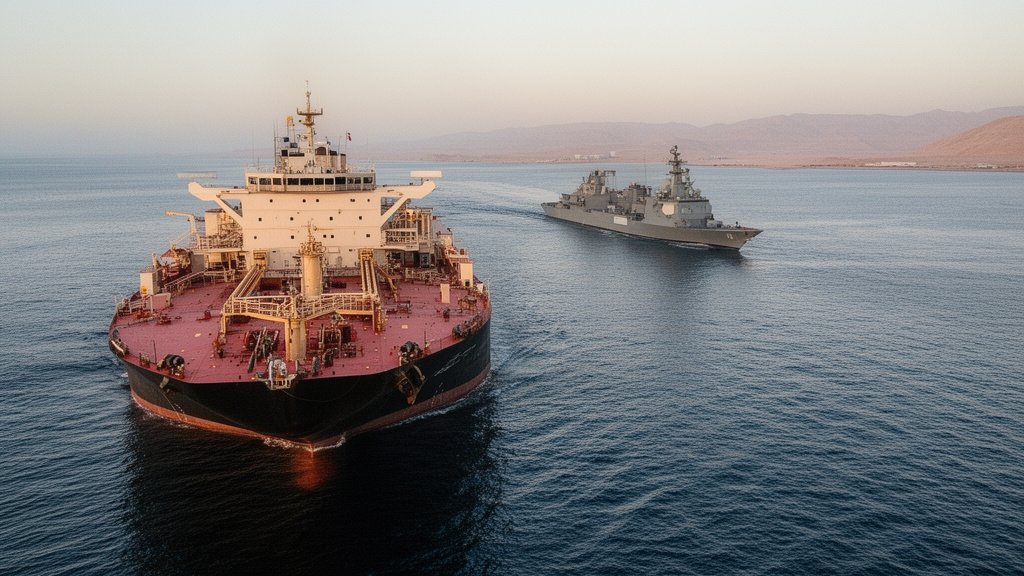
The United States has launched strikes against Iranian coastal sites in response to Iran’s recent drone attacks, marking a significant escalation in the ongoing regional tensions. The retaliatory action by U.S. forces aims to degrade Iran’s ability to launch further attacks and signal a firm stance against its aggressive actions.
Key Highlights:
- U.S. conducts strikes on Iranian coastal targets.
- Action is a direct response to Iran’s drone attacks.
- Escalation heightens regional security concerns.
- Both nations are key players in a volatile geopolitical landscape.
Regional Escalation: US Retaliates Against Iranian Coastal Infrastructure
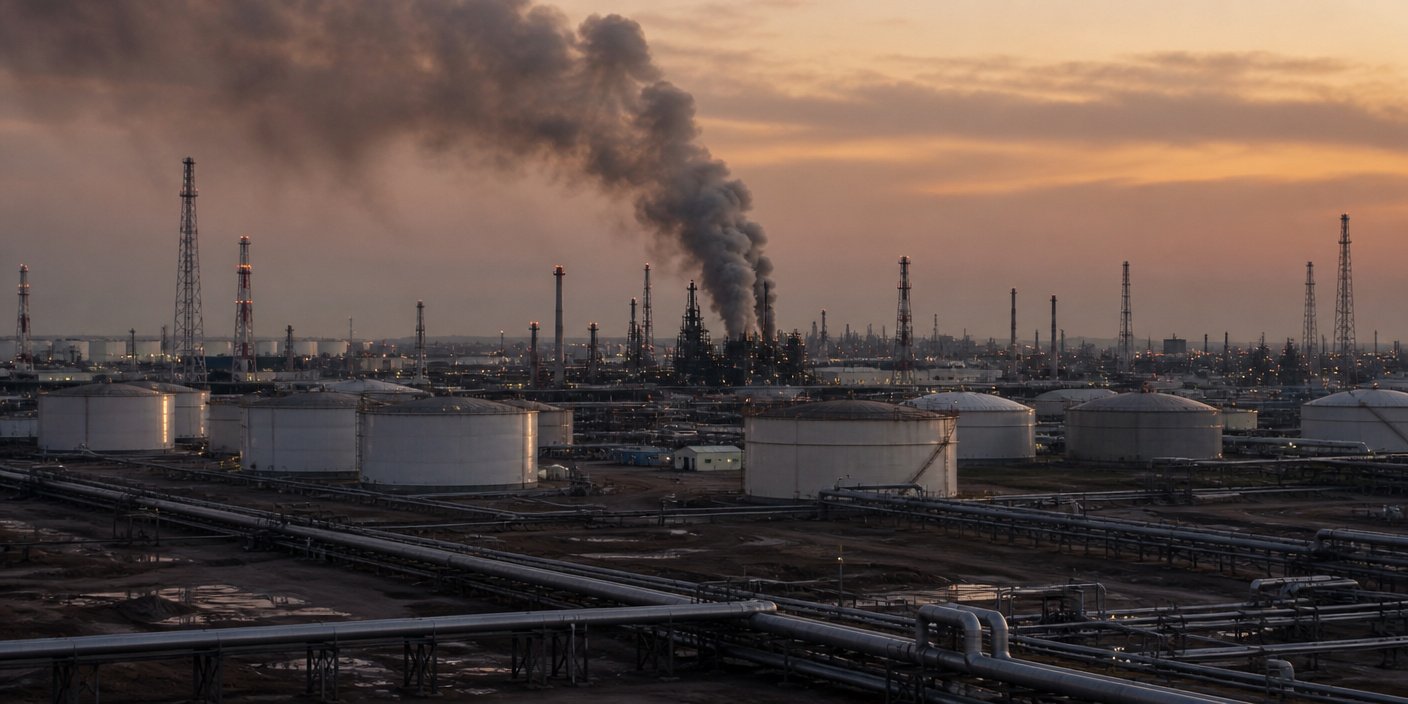
Following a series of drone attacks initiated by Iran, the United States has executed targeted strikes against several coastal sites within Iran. This military action represents a direct response, aiming to disrupt Iran’s capabilities and deter future aggression. The precise nature of the coastal sites targeted has not been fully disclosed, but the move signifies a serious escalation in the already strained relationship between the two nations.
Geopolitical Context and Precedent
The current events unfold against a backdrop of broader geopolitical instability in the Middle East. Iran has been a significant actor in regional conflicts, often through proxy groups and direct actions that challenge U.S. interests and those of its allies. The U.S. response, while retaliatory, carries the risk of further entrenching a cycle of escalation. Previous incidents have demonstrated the volatility of the region, where miscalculations can lead to widespread conflict.
U.S. Strategic Objectives


U.S. officials have indicated that the strikes are intended to degrade Iran’s offensive capabilities, particularly its ability to launch drones and missiles from coastal positions. The objective is to impose a cost on Iran for its aggressive posture and to enhance the security of U.S. forces and allies in the region. This approach is consistent with a strategy of deterrence, aiming to prevent further attacks by demonstrating a credible threat of reprisal.
Analysis of Iranian Drone Capabilities
Iran has developed a substantial drone program, utilizing these unmanned aerial vehicles for reconnaissance, surveillance, and attack purposes. These drones have been employed in various regional conflicts, posing a threat to maritime traffic, critical infrastructure, and military installations. The U.S. strikes are likely aimed at key nodes within this network, potentially including launch sites, storage facilities, or command and control centers.
International Ramifications and Diplomatic Efforts
The escalation is likely to draw international attention and concern. The United Nations and other international bodies may call for de-escalation and restraint from both sides. Diplomatic channels, though strained, will likely be active as global powers attempt to prevent a wider conflict. The incident underscores the persistent challenges in achieving regional stability and the complex interplay of military actions and diplomatic maneuvers.
FAQ: People Also Ask
What prompted the U.S. strikes on Iranian coastal sites?
The U.S. strikes were a direct response to recent drone attacks launched by Iran against targets in the region.
What are Iran’s primary military capabilities in the coastal areas?
Iran possesses a significant drone program and has developed capabilities for launching missiles from its coastal regions, posing a threat to maritime security and regional stability.
Is this a sign of a larger conflict brewing in the Middle East?
While this incident represents a significant escalation, it is currently a targeted response. The potential for a larger conflict depends on the reactions of both nations and the broader geopolitical dynamics in the region.
What is the U.S. strategic goal in retaliating against Iran?
The U.S. aims to degrade Iran’s offensive capabilities, deter future attacks, and signal its commitment to regional security and the protection of its interests and allies.
What is the role of international diplomacy in this situation?
International bodies and global powers are likely to engage in diplomatic efforts to urge de-escalation and prevent further military confrontation, seeking to maintain regional stability.