South Korean retail investors have demonstrated unprecedented activity on the Korea Composite Stock Price Index (KOSPI), placing a record 1.19 million large orders. This surge in trading volume highlights a significant shift in market participation and sentiment, indicating a heightened level of engagement from individual investors.
Key Highlights:
- A record 1.19 million large orders were placed by retail investors on the KOSPI.
- This marks a significant increase in trading activity and investor confidence.
- The trend suggests a growing appetite for stock market investments among individual South Koreans.
- Potential implications for market volatility and corporate investment strategies.
Record Investor Surge on KOSPI
The South Korean stock market, tracked by the KOSPI, has witnessed a historic surge in trading activity driven by retail investors. In a remarkable display of market engagement, individual investors placed an astonishing 1.19 million large orders. This figure shatters previous records and points towards a robust increase in confidence and participation from the retail segment of the market. The KOSPI, which represents the aggregate performance of all common stocks trading on the Korea Exchange, is a key barometer of the South Korean economy. The sheer volume of large orders from retail investors suggests a strategic approach to investment, moving beyond smaller, more speculative trades to larger, potentially more impactful positions.
Understanding ‘Large Orders’
It is crucial to define what constitutes a ‘large order’ in this context. While specific thresholds can vary by brokerage and market conditions, ‘large orders’ typically refer to trades above a certain monetary value or volume. For retail investors, this often signifies a significant commitment of capital, implying a higher degree of conviction in their investment decisions. This trend is not merely about increased trading frequency but about the scale of individual transactions. The implications are manifold, potentially influencing market liquidity, price discovery, and even the overall volatility of the KOSPI.
Investor Sentiment and Economic Indicators


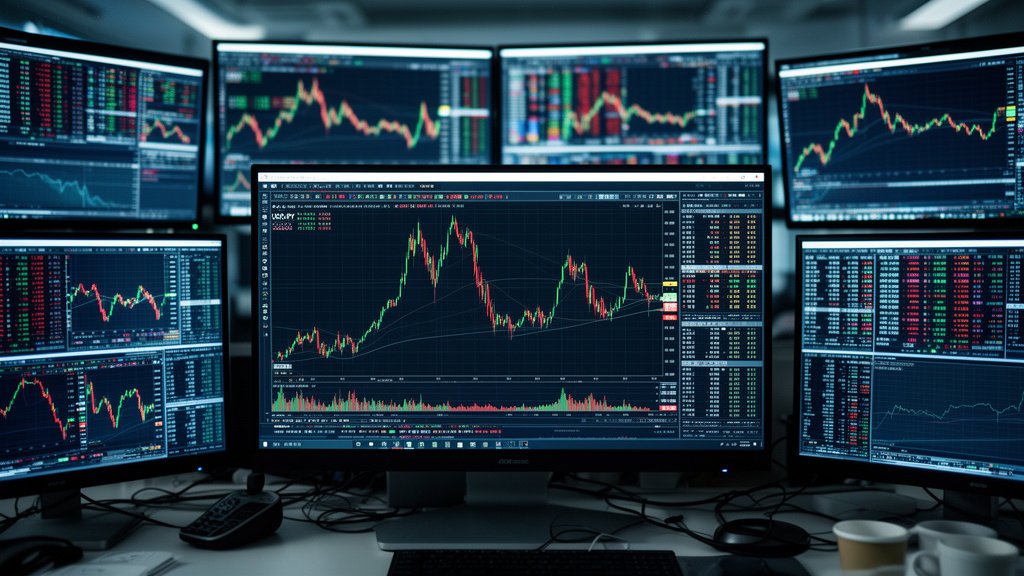

This record-breaking activity from retail investors can be interpreted as a strong signal of their sentiment towards the South Korean economy and its listed companies. A surge in large orders often correlates with an optimistic outlook, where investors anticipate market growth and profitability. This could be fueled by various factors, including favorable economic indicators, attractive company valuations, or a general increase in financial literacy and investment awareness among the general population. The timing of this surge also warrants attention; it may be a response to recent economic developments, government policies, or global market trends that have created a favorable environment for domestic investment.
Impact on Market Dynamics
The influx of substantial retail orders can have a tangible impact on market dynamics. Firstly, it can enhance market liquidity, making it easier for buyers and sellers to find each other and execute trades with less price impact. Secondly, a high volume of large orders can contribute to more efficient price discovery, as the market more rapidly reflects the collective assessment of value by a broad base of investors. However, it also raises questions about potential increases in volatility. If a large number of retail investors are making similar bets, coordinated buying or selling could lead to sharper price swings. Market analysts will be closely watching to see if this trend leads to sustained market movements or proves to be a temporary surge.
Strategic Implications for Companies and Policymakers
For companies listed on the KOSPI, this heightened retail interest presents both opportunities and challenges. Increased investor demand can support higher stock prices and provide a more stable shareholder base. However, it also means that companies may face greater scrutiny from a more engaged retail investor community, potentially requiring clearer communication and more robust corporate governance. Policymakers, too, will be observing this trend. A vibrant retail investor base is often seen as a positive sign for a healthy economy, but regulators may also consider measures to ensure market stability and protect less experienced investors from excessive risk. The South Korean Financial Services Commission (FSC) and the Bank of Korea will likely be monitoring these developments closely for their implications on financial stability and economic growth.
Historical Context and Future Outlook
While this specific record is unprecedented, the trend of increasing retail participation in stock markets is not unique to South Korea. Globally, there has been a growing interest in equities among individual investors, often facilitated by user-friendly trading platforms and increased access to financial information. However, the scale of this recent surge in KOSPI large orders suggests a particularly strong domestic momentum. Looking ahead, the sustainability of this trend will depend on continued economic stability, corporate performance, and the prevailing investor sentiment. If this engagement proves to be a long-term shift rather than a short-term reaction, it could reshape the landscape of the South Korean capital markets for years to come.
FAQ: People Also Ask
What is the KOSPI?
The KOSPI (Korea Composite Stock Price Index) is the primary stock market index of South Korea. It is managed by the Korea Exchange (KRX) and tracks the performance of all common stocks listed on the exchange, serving as a key indicator of the South Korean economy’s health and the performance of its major companies.
Why is retail investor activity important?
Retail investor activity, especially when it involves a significant number of large orders, is important because it reflects public confidence in the economy and the stock market. High retail participation can increase market liquidity, influence stock prices, and indicate broader investment trends. It also suggests that more individuals are engaging with financial markets for wealth creation.
What does a record number of large orders signify?
A record number of large orders from retail investors signifies a substantial increase in the amount of capital being deployed by individual investors into the stock market. It suggests a high level of conviction, a strategic approach to investing, and potentially a bullish outlook on the market or specific assets. This level of activity can have a notable impact on market liquidity and price movements.
How might this affect the South Korean economy?
This surge in retail investor activity could positively impact the South Korean economy by boosting domestic investment, potentially leading to increased capital for companies, and signaling strong investor confidence. It can also enhance market liquidity, making it more attractive for further investment. However, it also necessitates careful monitoring by financial authorities to ensure market stability and prevent excessive speculation.
Are there risks associated with increased retail trading?
Yes, there are risks associated with increased retail trading, particularly when it involves large orders. These can include heightened market volatility if many investors make similar bets, the potential for rapid price swings, and the risk of individual investors making decisions based on incomplete information or emotional responses, leading to significant financial losses. Regulatory oversight is crucial to mitigate these risks.