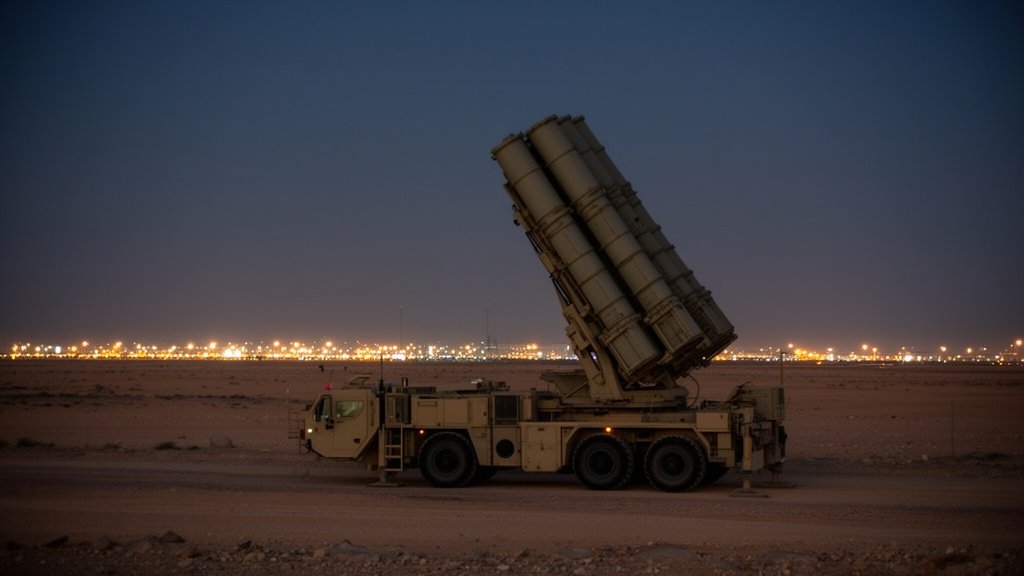
U.S. stocks concluded lower on Tuesday, as a resurgence of geopolitical tensions in the Middle East cast a shadow over investor sentiment. The Dow Jones Industrial Average, S&P 500, and Nasdaq Composite all registered declines, reflecting a cautious market environment.
Key Highlights:
- Renewed Middle East tensions sparked investor unease.
- Major U.S. stock indices closed in negative territory.
- Oil prices saw an uptick due to the geopolitical situation.
- Treasury yields experienced fluctuations.
- Market participants are closely monitoring further developments.
Market Reacts to Escalating Geopolitical Risks
The equity markets experienced a downturn as concerns over escalating tensions in the Middle East intensified. Investors, wary of potential disruptions to global supply chains and energy markets, opted for a more conservative stance. The benchmark S&P 500 fell, indicating a broad-based retreat across various sectors. Technology stocks, which had shown resilience in recent sessions, also succumbed to the selling pressure.
Oil Prices Surge on Middle East Unrest
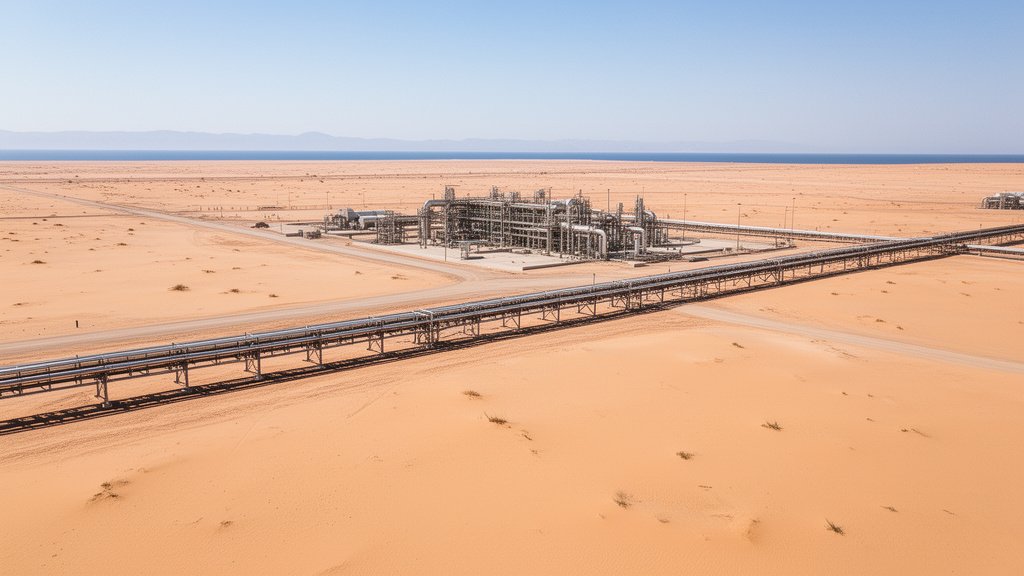
Crude oil prices climbed sharply as the latest developments in the Middle East raised fears of supply disruptions. The potential for conflict in a region that is crucial for global oil production led to a significant increase in oil futures. This rise in energy costs can have ripple effects across the economy, potentially impacting inflation and corporate earnings.
Treasury Yields Show Volatility




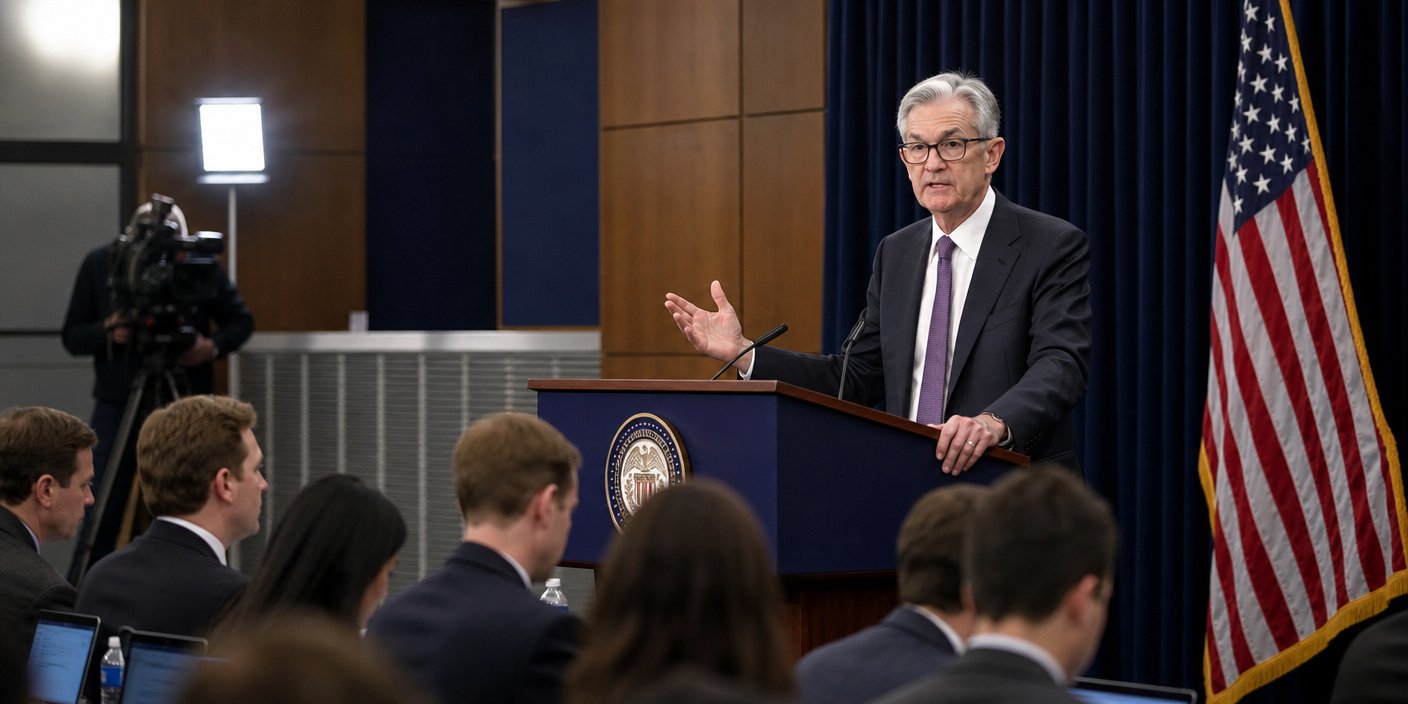
U.S. Treasury yields exhibited volatility, with longer-term yields generally rising as investors factored in potential inflation pressures stemming from higher energy prices and geopolitical uncertainty. However, the safe-haven appeal of U.S. government debt also saw some demand, creating a mixed picture in the bond market. The Federal Reserve’s stance on interest rates remains a key focus, with any signs of persistent inflation potentially influencing future monetary policy decisions.
Sector Performance Amidst Uncertainty
Most sectors within the S&P 500 ended the day in the red. Energy stocks, however, bucked the trend, with many companies seeing gains as oil prices rose. Defense companies also experienced increased investor interest. Conversely, sectors sensitive to consumer spending and global trade, such as industrials and consumer discretionary, faced headwinds. The uncertainty surrounding the geopolitical situation created a challenging environment for portfolio managers seeking to navigate market risks.
Investor Sentiment and Future Outlook
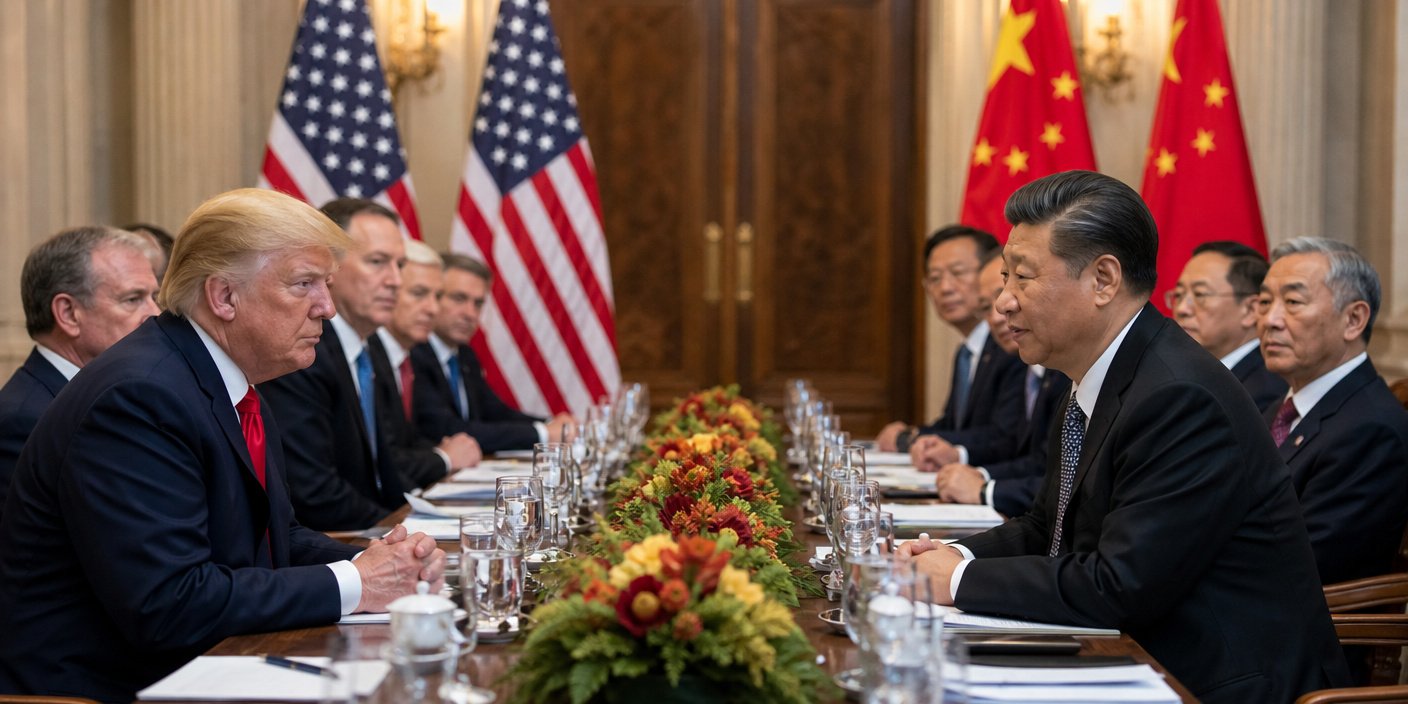
Investor sentiment has become increasingly cautious. The renewed focus on geopolitical risks has overshadowed some of the more positive economic data that has emerged recently. Market participants will be closely watching the diplomatic efforts and the actual impact of any further escalation in the Middle East. The ability of global powers to de-escalate the situation will be critical in stabilizing market sentiment and restoring confidence. Economic calendars and corporate earnings reports will also play a significant role in shaping market direction in the coming weeks.
FAQ: People Also Ask
What triggered the recent decline in U.S. stocks?
The primary driver for the recent stock market decline was the resurgence of geopolitical tensions in the Middle East, which led to increased investor uncertainty and a move towards safer assets.
How are oil prices affected by Middle East tensions?
Tensions in the Middle East, a major oil-producing region, can lead to fears of supply disruptions, which typically cause crude oil prices to increase as traders price in potential shortages.
What is the impact of rising oil prices on the economy?
Rising oil prices can lead to higher inflation, increased transportation costs for businesses, and reduced consumer spending power, potentially slowing economic growth.
What are Treasury yields and why do they fluctuate?
Treasury yields represent the return on U.S. government debt. They fluctuate based on factors such as inflation expectations, Federal Reserve policy, and investor demand for safe-haven assets.
How are different sectors of the stock market performing amidst this uncertainty?
During periods of geopolitical uncertainty, defensive sectors like energy and defense often perform well, while sectors sensitive to consumer spending and global trade may experience declines.