President Trump’s latest fiscal maneuver has sent shockwaves through Washington, as the White House formally submitted a record-breaking $1.5 trillion defense budget request for the 2027 fiscal year. This historic spending proposal, which represents a 40 percent surge in military investment, arrives at a moment of profound geopolitical volatility, occurring precisely as a fragile, two-week ceasefire between the United States and Iran has begun to take hold. The juxtaposition of this massive defense expenditure against the backdrop of a tentative diplomatic pause underscores the administration’s strategy of “peace through strength,” even as the nation grapples with a swelling national debt and a deeply polarized Congress.
Key Highlights
- Record Defense Request: The $1.5 trillion defense budget marks the largest military spending request in modern U.S. history, focusing heavily on shipbuilding and advanced missile defense systems like the “Golden Dome.”
- Ceasefire Volatility: The budget announcement coincides with an April 7–8 agreement on a two-week ceasefire in the ongoing Iran war, which began on February 28, 2026, and has severely disrupted the Strait of Hormuz.
- Domestic Trade-offs: The proposal includes significant proposed cuts to non-defense sectors, including health and education, signaling a pivot toward prioritizing national security over domestic social programs.
- Legislative Hurdles: With federal debt exceeding $39 trillion, the administration faces stiff bipartisan resistance in Congress, where the demand for a massive defense hike faces scrutiny against the backdrop of global energy instability and domestic economic pressures.
The Fiscal Calculus of Global Conflict
The White House’s decision to push for a $1.5 trillion defense budget is a direct reflection of the administration’s assessment of the 2026 conflict landscape. The ongoing war with Iran, which has been described by military analysts as a significant disruptor of global energy markets and supply chains, has necessitated a massive replenishment of munitions and a permanent increase in military presence across the Middle East. By shifting a massive portion of the federal pie toward the Pentagon, President Trump is betting that Congress will prioritize immediate national security imperatives over the long-term sustainability of the federal deficit.
The Strategic Pivot to Modernization
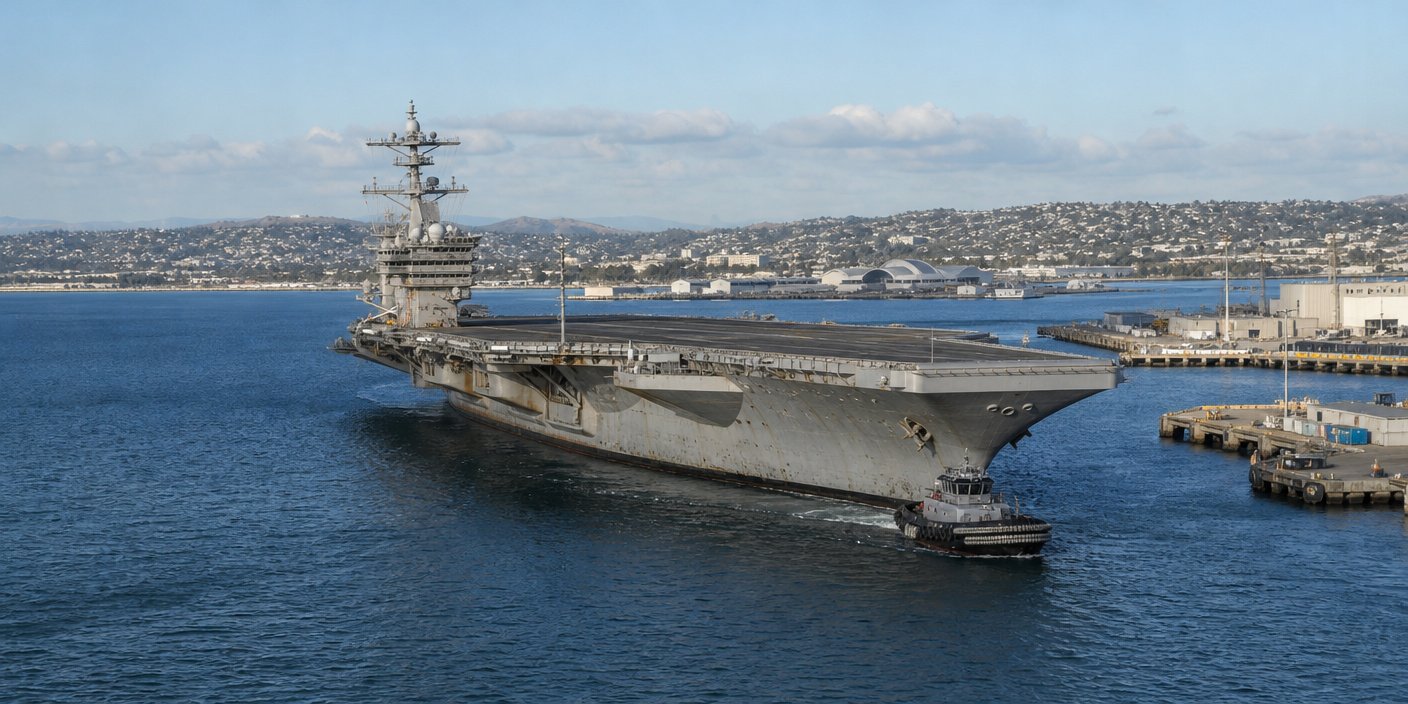
This budget is not merely about funding current operations; it is a structural redesign of the U.S. military. The inclusion of funding for the “Golden Dome” missile defense system and an unprecedented commitment to naval shipbuilding signals a clear strategic pivot. The administration argues that the lessons learned from the initial weeks of the 2026 Iran conflict—specifically regarding the vulnerability of surface vessels and the intensity of drone and missile saturation—have rendered previous procurement budgets obsolete. The White House, therefore, views this spending as a defensive necessity rather than a discretionary choice. The administration has explicitly linked this spending to the necessity of keeping the Strait of Hormuz open, arguing that the global economic cost of energy disruption far outweighs the fiscal burden of a $1.5 trillion defense posture.
The Domestic Cost of Military Expansion



The proposal is not without its detractors. By coupling the record-breaking defense hike with a 10 percent reduction in non-defense spending, the administration has effectively drawn a battle line on the House and Senate floors. The proposal suggests offloading traditional federal responsibilities—such as healthcare delivery and education oversight—to state and local governments. This strategy is framed by the White House as “fiscal federalism,” but it has sparked intense outcry from opposition lawmakers who argue that the burden of the war effort is being placed on the shoulders of the most vulnerable domestic populations. The political gamble here is significant: can the administration convince a weary electorate that the stability of the Middle East and the security of global oil routes justifies a degradation of domestic infrastructure and social support?
Geopolitics in the Shadow of the Ceasefire
The timing of this budget submission—landing in the immediate wake of a ceasefire agreement brokered by Pakistan—is perhaps the most complex aspect of the current political moment. The agreement, which includes a suspension of hostilities and a temporary reopening of the Strait of Hormuz, is viewed by the White House as a tactical win. However, the administration’s decision to continue pushing for a massive defense increase suggests they are planning for a post-ceasefire environment that remains inherently hostile.
The Islamabad Negotiations
As delegations prepare to head to Islamabad for further negotiations beginning April 11, the administration is using the budget as a lever of influence. By demonstrating a commitment to long-term military dominance, the White House is signaling to both allies and adversaries that the U.S. is prepared for a prolonged period of regional friction. The ceasefire is interpreted by many foreign policy analysts not as an end to the conflict, but as a repositioning phase. Whether the current de-escalation holds will likely depend on whether the administration can maintain this “peace through strength” posture without provoking a resurgence of hostilities.
FAQ: People Also Ask
1. What is the ‘Golden Dome’ defense system mentioned in the budget?
It is a next-generation missile defense architecture proposed by the administration, designed to intercept high-volume drone and ballistic missile barrages, lessons learned from the recent conflict in the Middle East.
2. Will Congress actually approve a $1.5 trillion defense budget?
It faces significant hurdles. While defense spending usually enjoys bipartisan support, the magnitude of the request and the accompanying cuts to domestic programs create a high-stakes legislative stalemate.
3. Does the two-week ceasefire end the Iran war?
No. It is a temporary tactical pause designed to allow for negotiations in Islamabad regarding the status of the Strait of Hormuz and long-term security arrangements. Most analysts view it as a de-escalation measure rather than a peace treaty.
4. How does this budget impact the national debt?
With the debt already surpassing $39 trillion, critics argue this massive spending increase will accelerate fiscal instability, while proponents argue that preventing global economic collapse due to an oil crisis is the priority.