President Donald Trump has delivered a final, high-stakes ultimatum to the Iranian government, warning that if a deal to reopen the strategically vital Strait of Hormuz is not reached by 8:00 PM ET tonight, April 7, 2026, the United States will initiate a campaign of targeted destruction against Iranian infrastructure. The President’s rhetoric, which has intensified over the past 48 hours, explicitly threatens the “obliteration” of Iran’s bridges, power plants, and energy grids, marking a dramatic escalation in the six-week-old conflict that has roiled global markets and regional stability.
Key Highlights
- The 8:00 PM Deadline: President Trump has set a firm cutoff for a ceasefire agreement to reopen the Strait of Hormuz, threatening severe infrastructure strikes if Iran fails to comply.
- Threat of ‘Obliteration’: The administration has explicitly warned that failure to meet the deadline will result in the destruction of key Iranian bridges, power plants, and civilian energy sites.
- Diplomatic Standoff: Despite attempts by intermediaries—including Pakistan—to broker a 45-day ceasefire, Iran has reportedly rejected the terms, seeking a permanent end to hostilities rather than a temporary pause.
- Military Escalation: The threat follows a series of military engagements, including the successful rescue of two U.S. airmen whose F-15E was shot down over Iran last week, and continued strikes on Iranian petrochemical facilities.
- Global Economic Impact: The closure of the Strait of Hormuz remains the central economic crisis, with international pressure mounting on both Washington and Tehran to restore the free flow of oil before global supply chains are irreparably damaged.
The Anatomy of the Ultimatum
The standoff between Washington and Tehran has reached a critical juncture that many foreign policy experts characterize as the most dangerous moment since the conflict’s inception on February 28, 2026. President Trump’s recent remarks, delivered at a White House briefing, have shifted from traditional diplomatic pressure to blunt, kinetic threats. The President emphasized that the U.S. military has the capability to “take out” the entire country’s infrastructure in a single night if provoked by continued obstruction of the Strait of Hormuz.
This specific rhetoric—referencing the systematic dismantling of power plants and bridges—represents a departure from standard military doctrine, which typically prioritizes surgical strikes on command-and-control centers. By targeting civilian-adjacent infrastructure, the administration is betting that the regime in Tehran will prioritize national survival and the preservation of its remaining industrial capacity over its strategic blockade of the Persian Gulf’s most critical waterway.
The Strategic Chokepoint: The Strait of Hormuz
The Strait of Hormuz is not merely a geographic entity in this conflict; it is the global economy’s juggernaut. Through this narrow passage flows approximately 20-30% of the world’s petroleum, making it one of the most critical logistical bottlenecks on Earth. Since the closure of the Strait earlier this year, global energy prices have seen unprecedented volatility, forcing major economies in Asia and Europe to lobby Washington for a swift resolution.

For the Trump administration, the reopening of the Strait is a primary war objective. The White House has maintained that the U.S. will not permit the Iranian government to hold the global economy hostage as a bargaining chip for sanctions relief. Conversely, Tehran has utilized the closure as its primary leverage, arguing that the war has fundamentally altered the security landscape of the region and that they are entitled to assurances against future military strikes. The impasse remains absolute: the U.S. demands the total resumption of maritime traffic, while Iran demands an end to the U.S.-led military campaign.
Military Realities and Rescue Operations
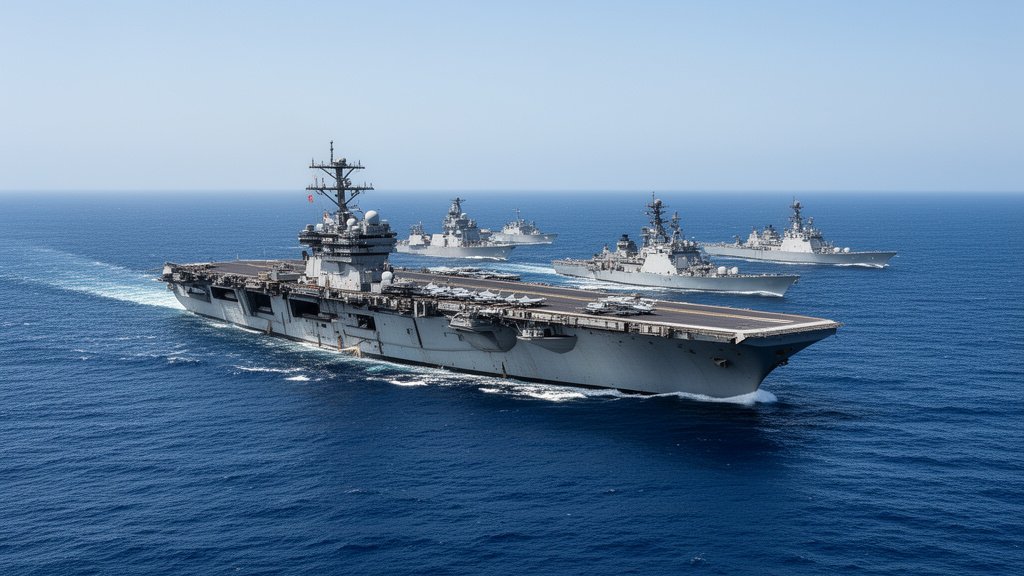
Behind the headlines of threats and ultimatums lies the stark reality of modern combat. The recent rescue of two U.S. airmen following the downing of their F-15E over Iranian territory serves as a reminder of the proximity of the conflict. The Pentagon has described the mission as one of the most complex in recent history, necessitating a sophisticated combination of electronic warfare, special operations, and intelligence coordination. The success of this mission has provided the White House with a renewed sense of confidence, which is being channeled directly into the pressure campaign against the Iranian leadership.
However, the casualty count continues to climb. With over 370 U.S. service members injured since the start of operations in late February, domestic political pressure is mounting. The American public, while generally supportive of the initial objectives of degrading Iran’s nuclear and missile programs, is increasingly wary of a prolonged, costly engagement that shows few signs of producing a stable post-war political settlement.
The Failure of Traditional Diplomacy
Multiple tracks of diplomacy have been explored in the last 72 hours. Pakistan, acting as a primary intermediary, presented a 45-day ceasefire proposal designed to allow for the restoration of maritime traffic and a cooling-off period. However, sources familiar with the negotiations indicate that Iran rejected this offer, demanding a permanent cessation of the U.S.-Israeli strikes.
This rejection has hardened the position of the White House. President Trump has signaled that the time for iterative negotiations has passed. The logic currently prevailing in Washington is that Tehran is attempting to drag out negotiations to rebuild its military capabilities—a strategy the U.S. is determined to disrupt. By setting a definitive, short-term deadline, the administration is attempting to force a binary choice: a diplomatic deal that favors U.S. regional security objectives or a significant expansion of the military campaign that would fundamentally degrade Iran’s ability to project power for a generation.
FAQ: People Also Ask
What specifically happens at 8:00 PM ET if no deal is reached?
President Trump has stated that he would initiate a broad strike campaign targeting Iran’s bridges, power plants, and critical infrastructure. The administration has warned that this could result in the rapid, large-scale degradation of Iran’s industrial capabilities.
Why is the Strait of Hormuz so important to this conflict?
As the world’s most significant oil chokepoint, the Strait of Hormuz is essential for global energy stability. Its closure by Iranian forces has halted significant tanker traffic, spiking global oil prices and prompting an urgent interventionist stance from the U.S. and its allies.
Are there any other diplomatic efforts currently active?
Yes, intermediaries including Pakistan, Egypt, and Turkey have been working through a multi-track diplomatic architecture to facilitate communication. However, as of Tuesday, these efforts have stalled, with Iran demanding a permanent ceasefire rather than the temporary pauses proposed by the U.S.
What is the legal status of the President’s threat regarding infrastructure?
There has been significant debate regarding international law, specifically the Geneva Conventions, concerning the targeting of civilian infrastructure. The White House has consistently dismissed these concerns, arguing that the regime’s actions have necessitated a total military response to protect the free flow of global commerce and U.S. strategic interests.