Skip to content
Trending
January 30, 2026American Politics: Shutdown Averted as Bipartisan Deal Funds Government, Delays Immigration Clash April 4, 2025Global Plunge as Trump Tariffs Hit; South Korea President Ousted by Court March 12, 2025Trump’s Free Speech Pledge Under Scrutiny as Critics Detail Actions Threatening First Amendment Rights August 8, 2025US Doubles Bounty to $50 Million for Venezuelan President Maduro’s Arrest Amid Narco-Trafficking Allegations April 3, 2025Major Streaming Debuts This Week: Netflix’s ‘Pulse’ Drama & A24’s ‘Opus’ Film Arrive April 3 April 14, 2026Novo Nordisk & OpenAI Partner for AI Drug Revolution August 4, 2025US Accuses India of Funding Russia’s War; INDIA Bloc Gathers for Crucial Meeting Amidst Electoral Roll Scrutiny February 4, 2026American Politics: Funding Deal Averts Shutdown, DHS Negotiations Continue August 4, 2025Presidential Fitness Test Returns: Trump Administration Tackles Childhood Obesity April 15, 2025US Justice Department Disbands Dedicated Crypto Crime Unit Following Trump Executive Order
  • Home
  • Top Stories
  • National News
  • Health
  • Business
  • Tech & Innovation
  • Entertainment
  • Politics
  • Culture & Society
  • Crime & Justice
  • Editorial
  • Home
  • Top Stories
  • National News
  • Health
  • Business
  • Tech & Innovation
  • Entertainment
  • Politics
  • Culture & Society
  • Crime & Justice
  • Editorial
  • Blog
  • Forums
  • Shop
  • Contact
  Tech & Innovation  US Eyes New AI Chip Export Curbs on Malaysia, Thailand Over Suspected China Smuggling Routes
Tech & Innovation

US Eyes New AI Chip Export Curbs on Malaysia, Thailand Over Suspected China Smuggling Routes

Alisa ChenAlisa Chen—July 5, 20250
FacebookX TwitterPinterestLinkedInTumblrRedditVKWhatsAppEmail

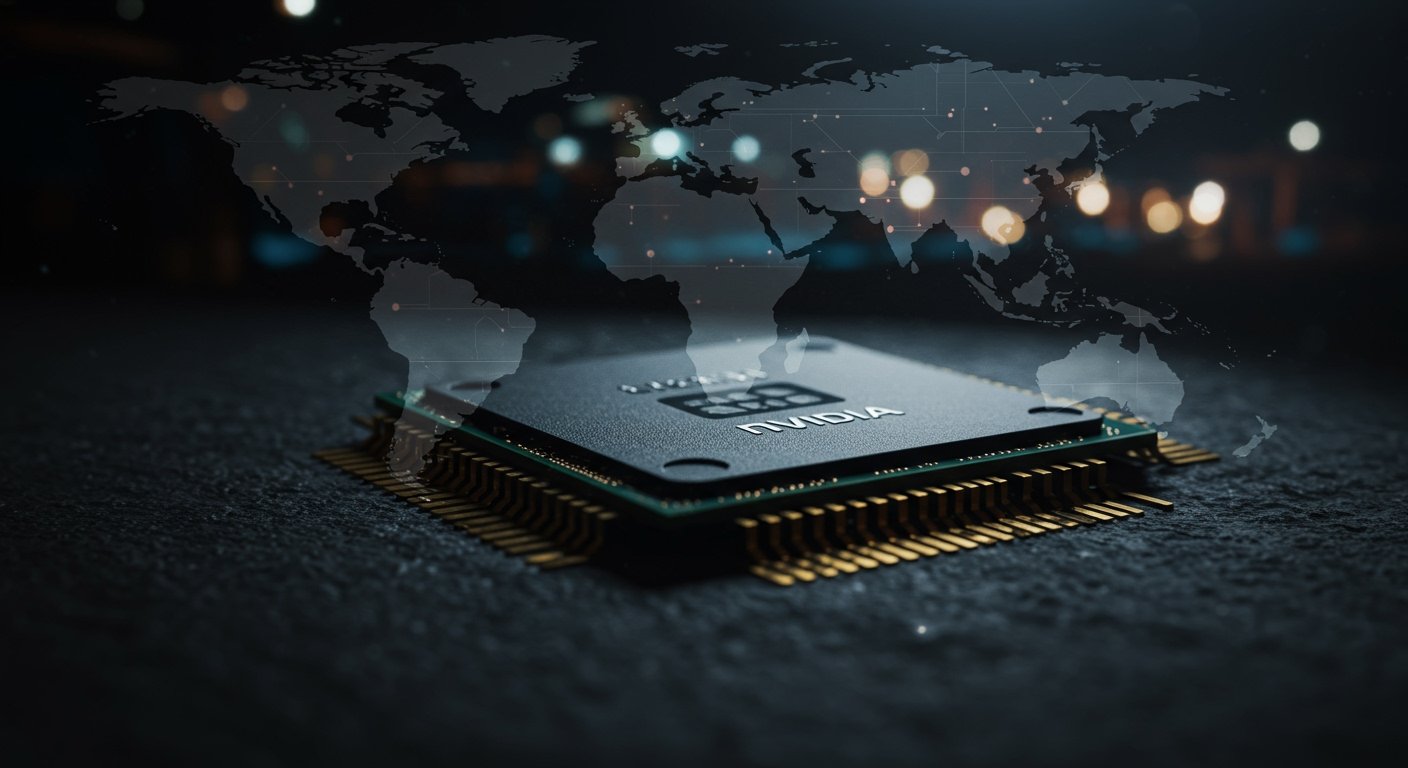
The United States is reportedly preparing to implement new, stringent export controls specifically targeting the flow of advanced artificial intelligence (AI) chips through Malaysia and Thailand. The move comes amid escalating concerns in Washington that these Southeast Asian nations are being utilized as conduits for circumventing existing restrictions designed to prevent China from acquiring high-end processors essential for AI development.

According to sources familiar with the matter, a draft rule is currently being developed by the Commerce Department. This proposed measure aims directly at disrupting suspected smuggling operations and illicit pathways that allow components, particularly advanced chips manufactured by companies like Nvidia, to reach entities in China despite existing U.S. prohibitions.

Escalating U.S. Export Control Strategy

This potential action represents a significant geographical expansion of U.S. export control efforts, which have primarily focused on direct shipments to China and entities within Chinese jurisdiction. By targeting intermediaries in Malaysia and Thailand, the U.S. government signals its intent to close perceived loopholes in the global supply chain.

The draft rule, if formally implemented, would mark a notable step and aligns with the stated intentions of the current administration regarding its trade and technology policy. It is framed by some observers as the first formal step in the Trump administration’s promised overhaul of the previous semiconductor trade policies, indicating a potential continuation and intensification of technology restrictions regardless of political transitions.

Why Malaysia and Thailand?

More stories

August 25, 2025: Tech Giants Forge Major AI Deals, Quantum Security Advances, and Supercomputing Power Surges

August 25, 2025

Cloudworx Secures ABB India Startup Challenge 2025 Title, Pioneering AI-Driven Smart Drive Technology

November 4, 2025

News/Media Alliance Strikes Landmark AI Content Licensing Deal with ProRata

March 26, 2025

Anthropic Secures Massive TPU Compute in Broadcom-Google Deal

April 7, 2026

The focus on Malaysia and Thailand underscores their growing roles in the global technology ecosystem, particularly in semiconductor packaging, assembly, and testing. Malaysia, in particular, has rapidly emerged as a critical hub for global technology investments, attracting major players in the electronics and semiconductor industries. This increased activity, while economically beneficial, also potentially increases the complexity of monitoring the movement of sensitive technologies.

Similarly, Thailand plays a key role in electronics manufacturing and logistics networks across Southeast Asia. The geographical proximity and established trade routes between these nations and China raise concerns in Washington about potential diversion and re-export activities that bypass U.S. oversight.

The Smuggling Concern and Context

U.S. officials are reportedly concerned that sophisticated networks are exploiting existing trade channels and potentially weaker enforcement mechanisms in these countries to acquire chips that are restricted from direct export to China. These chips are crucial for training advanced AI models and powering high-performance computing systems, capabilities the U.S. seeks to limit in the hands of potential strategic rivals.

The U.S. focus on this region is not occurring in a vacuum. It comes as authorities in neighboring Singapore have already initiated legal proceedings related to the illicit movement of AI chips. In a related development that highlights the complexity of tracing chip flows in the region, three individuals in Singapore were recently charged with fraud in connection with the movement of Nvidia’s advanced chips.

According to reports on that case, these chips were allegedly routed from Singapore to the Chinese artificial intelligence firm DeepSeek. While the Singapore case is separate from the specific draft rules reportedly targeting Malaysia and Thailand, it serves as a stark illustration of the types of circumvention activities that U.S. export controls aim to prevent and underscores the reality of such smuggling concerns in the region.

Potential Impact and Reactions

The potential implementation of these restrictions could have significant economic and logistical implications for Malaysia and Thailand. Companies operating in these countries involved in processing or handling advanced semiconductor components would face increased scrutiny and potential compliance burdens. It could also complicate efforts by these nations to attract further foreign investment in the technology sector if they are perceived as high-risk locations for handling controlled goods.

Analysts suggest that the U.S. approach will require careful diplomatic engagement, as unilateral restrictions could strain relationships with key partners in Southeast Asia. The governments of Malaysia and Thailand have not yet formally commented on the specifics of the reported draft rule, but any such measures would likely necessitate close cooperation on enforcement and compliance.

Looking Ahead

The drafting of this rule signals a new phase in the U.S. strategy to constrain China’s access to cutting-edge AI technology. By extending controls to third countries suspected of being transshipment points, Washington is attempting to build a more comprehensive net around its restrictions. The final text of the rule and its implementation details will be crucial in determining the full extent of its impact on the global semiconductor supply chain and the technology sectors in Malaysia and Thailand.

The development highlights the increasing role of Southeast Asia as a key node in the global technology rivalry and underscores the challenges of enforcing export controls in an interconnected world where sophisticated components pass through multiple jurisdictions before reaching their final destination.


author avatar
Alisa Chen Technology & National Security Reporter
Alisa Chen explores the frontier where technology meets national security. Her reporting for USA Sentinel covers everything from cybersecurity threats and AI regulation to the geopolitical battle for tech supremacy. Alisa is known for making high-tech topics accessible, providing critical context on how the digital age is reshaping the national interest.
See Full Bio
FacebookX TwitterPinterestLinkedInTumblrRedditVKWhatsAppEmail

Alisa ChenTechnology & National Security Reporter / USA Sentinel

Alisa Chen explores the frontier where technology meets national security. Her reporting for USA Sentinel covers everything from cybersecurity threats and AI regulation to the geopolitical battle for tech supremacy. Alisa is known for making high-tech topics accessible, providing critical context on how the digital age is reshaping the national interest.

Trump Enacts Sweeping Fiscal Bill on July 4, Projecting Trillions Added to US Deficit
Deadly Texas Flash Flood Claims At Least 25 Lives, Camp Mystic Girls Missing Amid Guadalupe River Surge
Related posts
  • Related posts
  • More from author
Tech & Innovation

SoftBank Taps OpenAI for Cybersecurity Leap

June 16, 20260
Tech & Innovation

Nvidia RTX Spark Ignites PC AI Revolution

June 2, 20260
Tech & Innovation

AI Surges: Nvidia’s Leap and Quantum’s Dawn

May 26, 20260
Load more
Read also
Politics

US-Iran Deal Looms: Financials Hint at Breakthrough

June 17, 20260
Editorial

US Strike Kills Suspect on Drug Boat, 2 Survivors Found

June 17, 20260
National News

GOP Senators Demand Iran Deal Input

June 17, 20260
Top Stories

US & Iran Near Historic Peace Deal, Strait of Hormuz Set to Reopen

June 16, 20260
Tech & Innovation

SoftBank Taps OpenAI for Cybersecurity Leap

June 16, 20260
Politics

Trump’s G7 Arrival: Iran Deal & Ukraine Focus

June 16, 20260
Load more

Recent Posts

  • US-Iran Deal Looms: Financials Hint at Breakthrough
  • US Strike Kills Suspect on Drug Boat, 2 Survivors Found
  • GOP Senators Demand Iran Deal Input
  • US & Iran Near Historic Peace Deal, Strait of Hormuz Set to Reopen
  • SoftBank Taps OpenAI for Cybersecurity Leap

Recent Comments

No comments to show.
Social networks
FacebookLikes
X TwitterFollowers
PinterestFollowers
InstagramFollowers
YoutubeSubscribers
VimeoSubscribers
Popular categories
  • Top Stories568
  • National News314
  • Editorial283
  • Politics268
  • Business267
  • Crime & Justice246
  • Entertainment244
  • Health210
  • Tech & Innovation201
  • Culture & Society197
  • Uncategorized2

US-Iran Deal Looms: Financials Hint at Breakthrough

June 17, 2026

US Strike Kills Suspect on Drug Boat, 2 Survivors Found

June 17, 2026

GOP Senators Demand Iran Deal Input

June 17, 2026

US & Iran Near Historic Peace Deal, Strait of Hormuz Set to Reopen

June 16, 2026

SoftBank Taps OpenAI for Cybersecurity Leap

June 16, 2026

Awards Season Culminates: Previewing the 97th Academy Awards and Weekend Entertainment Options

4534 Comments

S&P 500 Nears Record as Nasdaq Hits Three-Week High; Major Indexes Post Strong Weekly Gains on February 14, 2025

779 Comments

Google Introduces Premium AI Ultra Subscription Globally: Advanced Capabilities and Pricing Details Emerge

771 Comments

Trump Rallies GOP on Capitol Hill Amidst Doubt for Sweeping Domestic Policy Bill

582 Comments

Future of Telecom: How AI and 5G Convergence is Driving Innovation

542 Comments
    © Copyright 2025, All Rights Reserved
    • About
    • Privacy
    • Contact