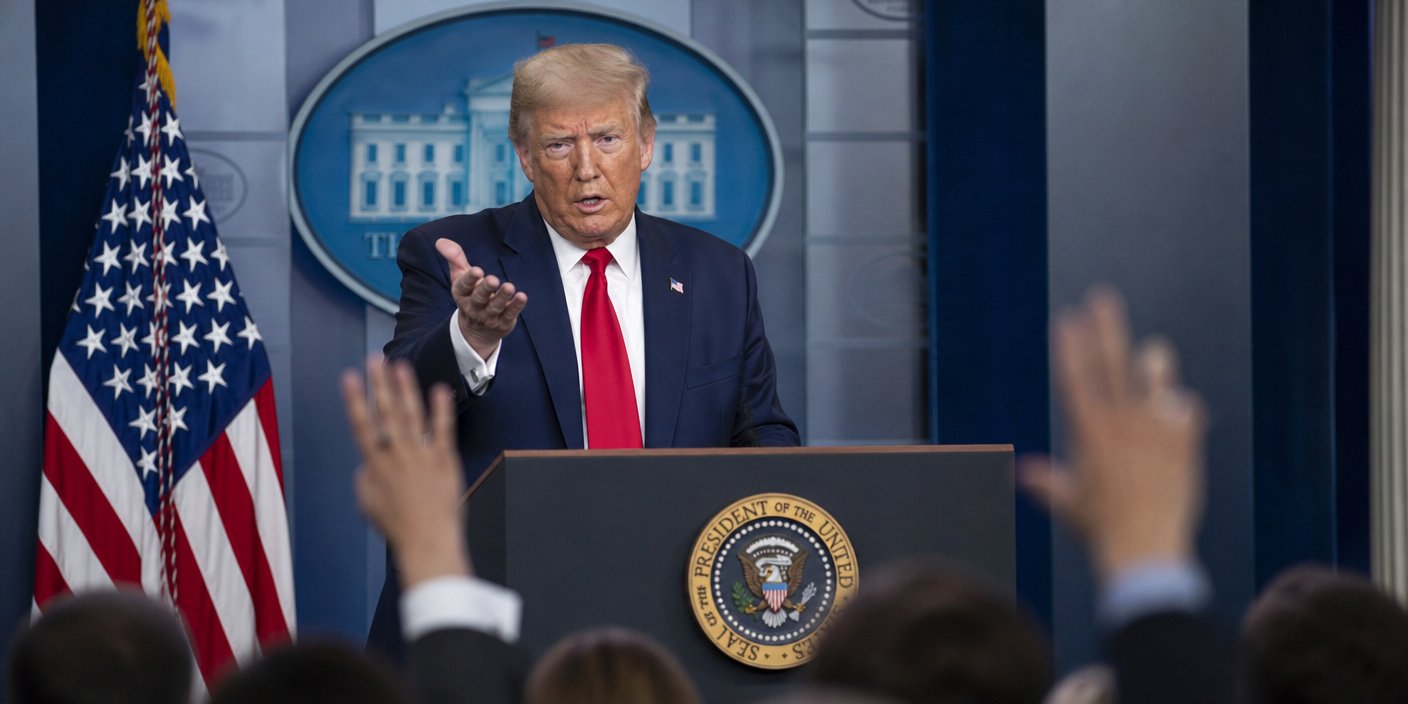
Following swirling reports and online speculation, Donald Trump has clarified his stance on federal voter data collection, rejecting claims that he has signed an executive order directing the creation of a national voter list. The former president’s team addressed the viral rumors amid ongoing debates regarding election integrity and the balance of power between federal and state authorities in managing electoral rolls. The denial serves to quiet concerns among legal experts and voting rights advocates who have long cautioned against federal overreach in the decentralized U.S. election system.
- No executive order has been issued by Donald Trump to establish a centralized national voter database.
- Legal experts confirm that primary responsibility for maintaining voter rolls rests with individual state jurisdictions.
- The misinformation appears to stem from misinterpretations of previous policy proposals regarding election security.
- Election officials nationwide emphasize the security of current, state-based verification processes.
The Deep Dive
Parsing the Viral Rumor
The narrative surrounding a supposed executive order emerged rapidly across various social media platforms, leading to widespread confusion among voters and political commentators. By investigating the claims, it becomes clear that there is no official record, document, or presidential signing ceremony to support the assertion that a national voter list directive has been authorized. Instead, the rumor appears to be a conflation of historical rhetoric regarding national election security and hypothetical policy frameworks that have been discussed in political circles over the past several years. When analyzed against the backdrop of current executive actions, the claim lacks any verifiable foundation.
Constitutional Barriers to Federal Control




Beyond the factual inaccuracy of the claim, structural hurdles make the creation of a national voter list a complex constitutional challenge. Under the U.S. Constitution, the administration of elections is largely delegated to the states. While the federal government maintains oversight regarding civil rights and constitutional protections—such as those enforced by the Help America Vote Act—it does not have the plenary authority to curate a singular, national database of voters. Any attempt to do so would almost certainly trigger immediate, extensive legal challenges from state governments and civil liberties organizations, arguing that it violates the principle of federalism and infringes upon state sovereignty.
The Role of Voter Roll Maintenance
Currently, voter list maintenance is handled by state and local officials using systems like the Electronic Registration Information Center (ERIC) or internal state databases to identify inactive voters, update addresses, and ensure the rolls are accurate. This decentralized approach is designed to balance accuracy with accessibility. Critics of a centralized, federal approach argue that it could introduce significant vulnerabilities, including the potential for data breaches, partisan manipulation, or the disenfranchisement of eligible voters through inaccurate automated filtering. Consequently, the maintenance of these lists remains a contentious but localized issue, far removed from the federal executive powers that social media rumors suggested were being utilized.
Future Implications for Election Policy
As election integrity remains a primary focus for political movements on both sides of the aisle, the spread of misinformation regarding federal powers will likely continue. The focus in coming cycles is expected to remain on state-level reform and the enhancement of existing verification methods rather than the federalization of voter registration. Moving forward, observers suggest that verification of such consequential policy claims requires direct consultation with official government registers and verified, non-partisan reports to prevent the normalization of inaccurate information regarding the nation’s democratic processes.
FAQ: People Also Ask
Does the federal government have access to all state voter lists?
No, the federal government does not maintain a centralized database of all voters. States manage their own lists, and while they may share data with each other to improve accuracy, this is done through state-led partnerships, not direct federal control.
Why are rumors about election orders common?
Elections are deeply emotional and critical aspects of American governance. As a result, misinformation often proliferates because it aligns with intense political interests or fears regarding how the electoral system is managed and secured.
How can citizens verify executive orders?
Citizens can verify the authenticity of executive orders by visiting the official White House website or the Federal Register, which provides a comprehensive, searchable, and verified database of all official executive actions signed by the president.