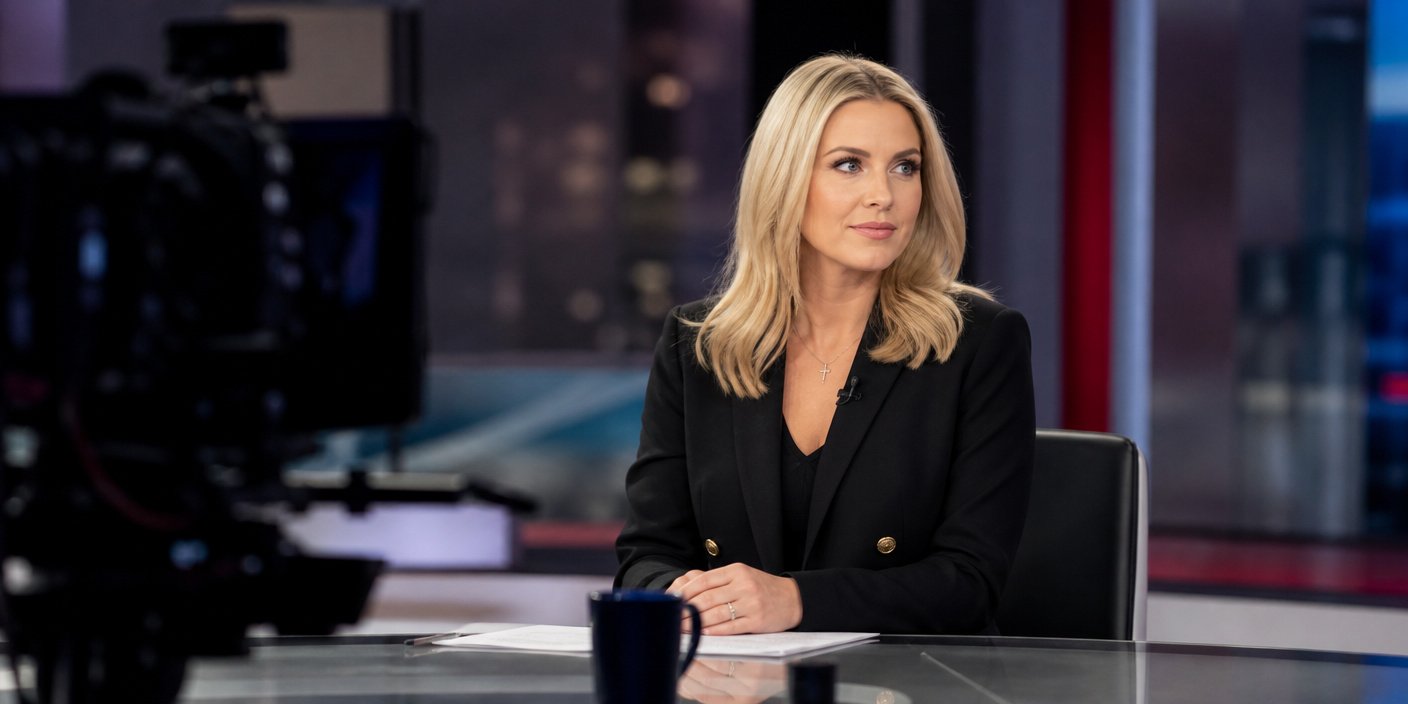
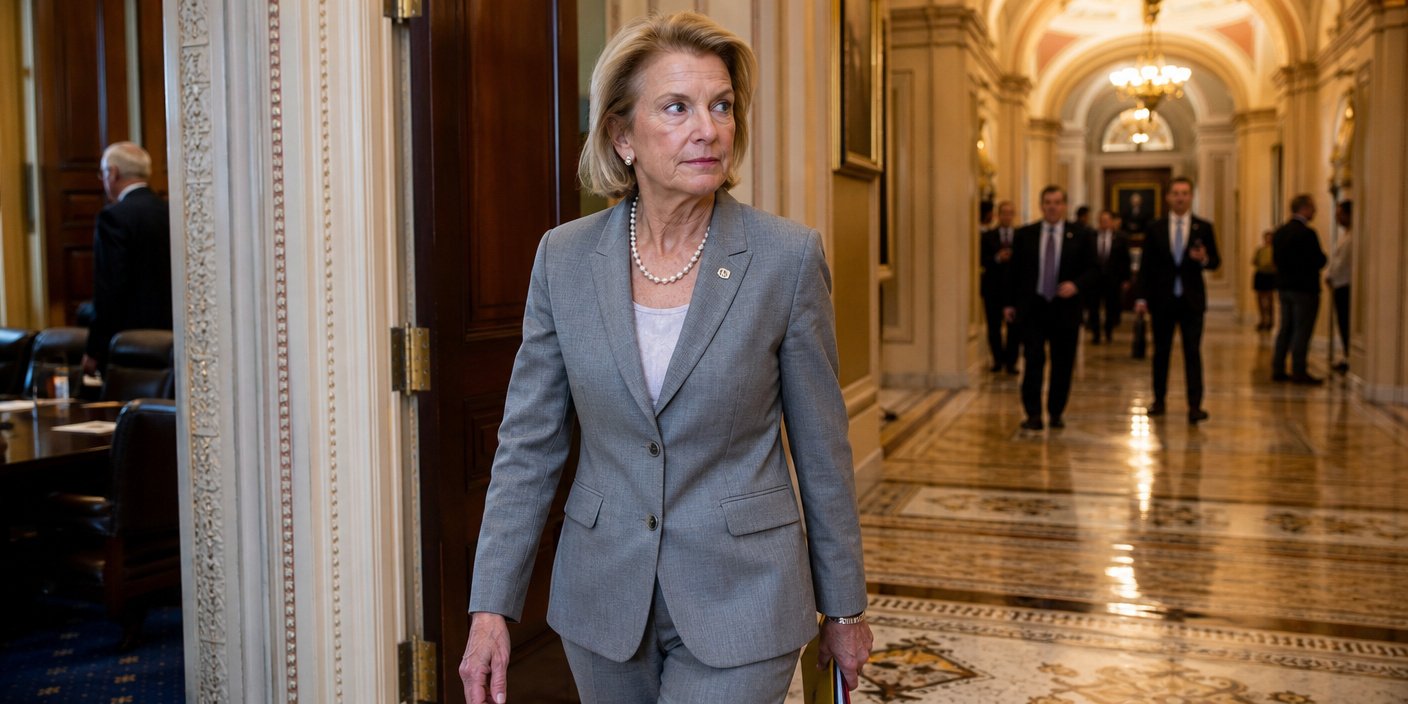
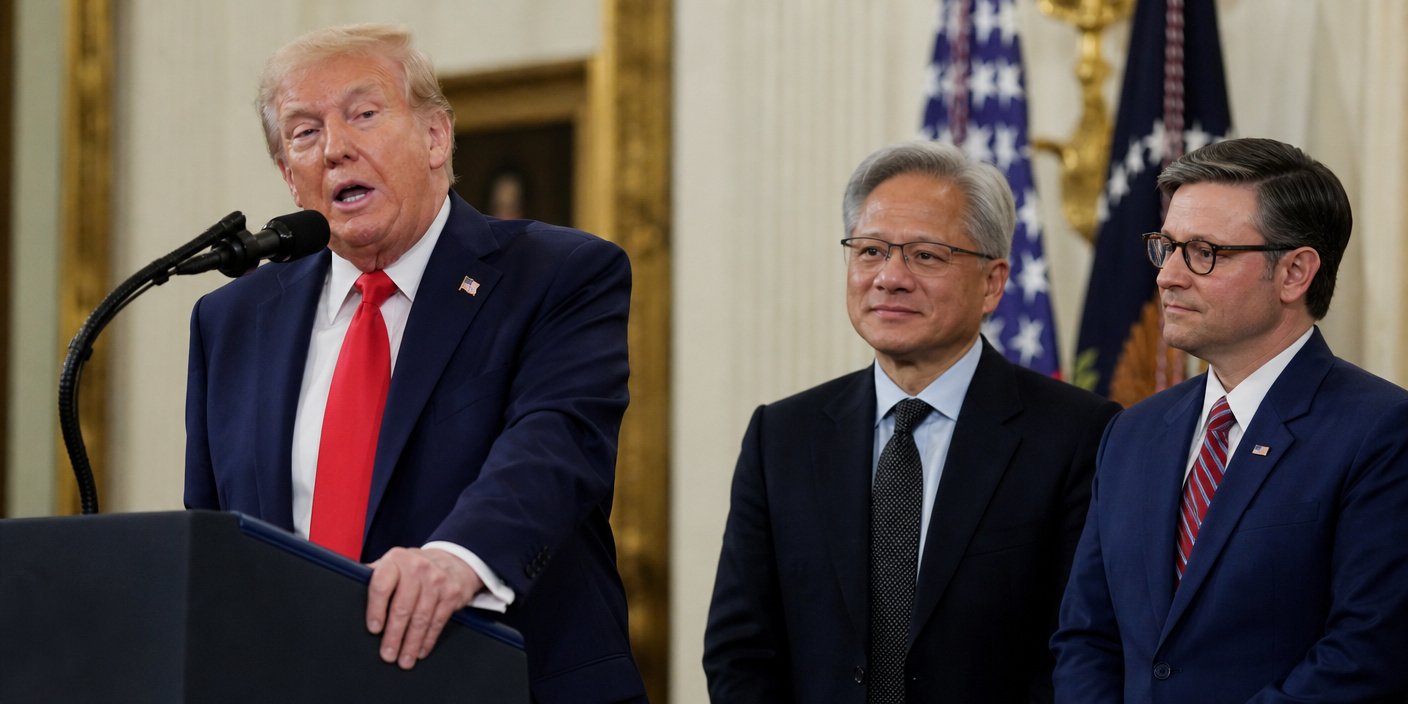
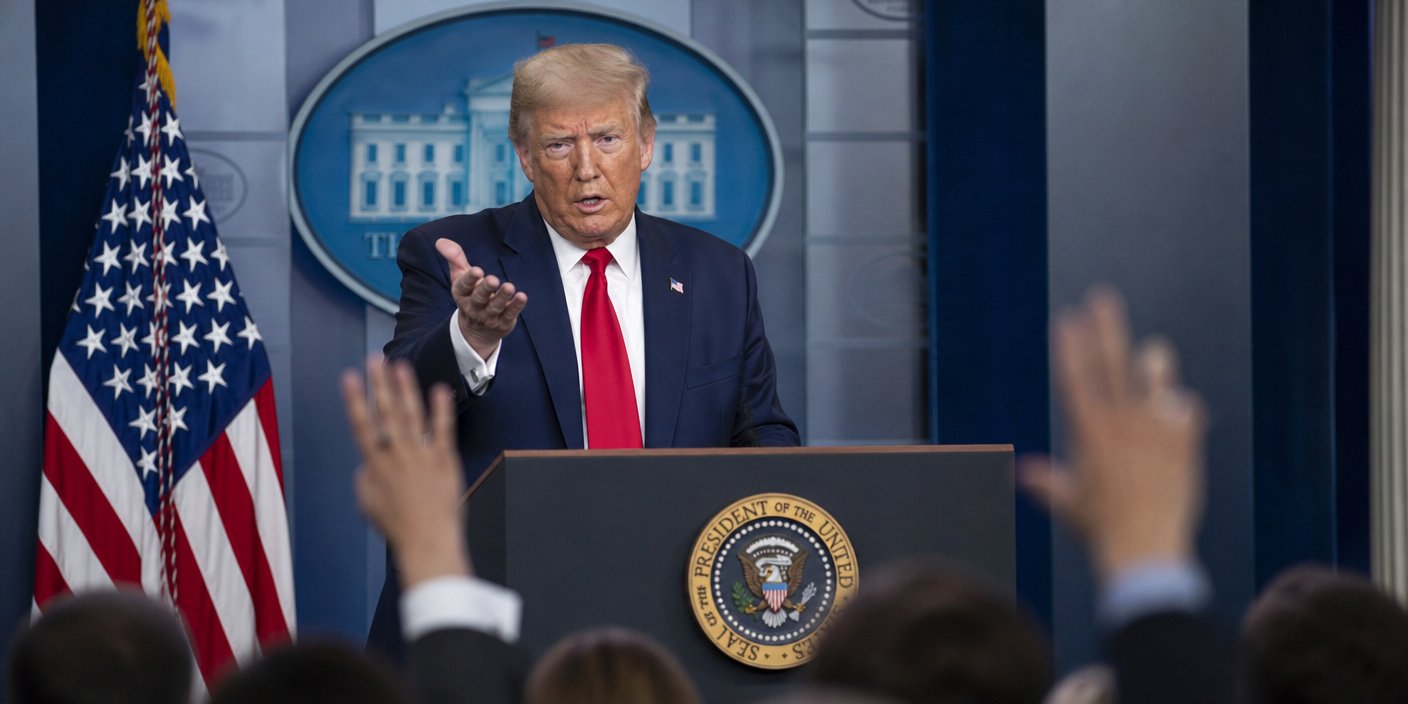
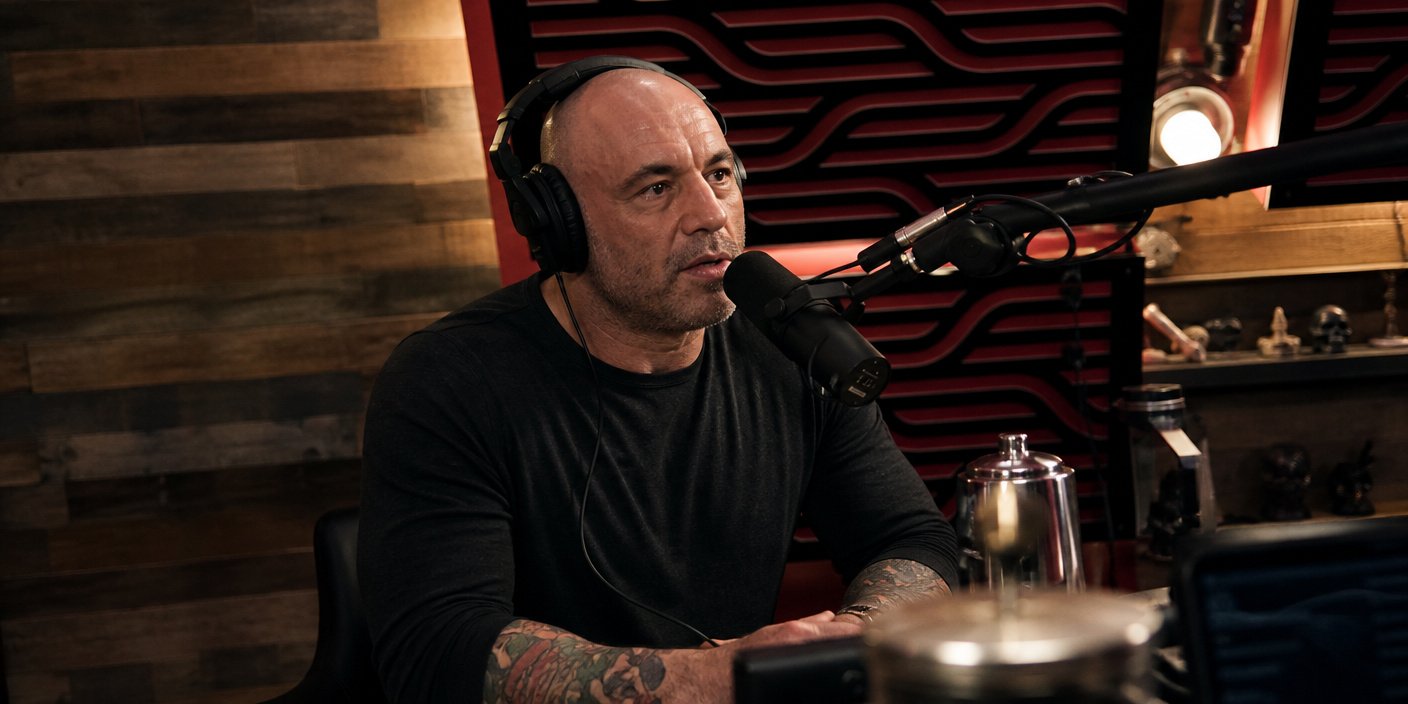
As the 2026 midterm campaigns intensify, the integration of hyper-realistic AI deepfakes is blurring reality for voters, creating an unprecedented challenge for electoral integrity. Malicious actors are deploying sophisticated generative AI tools to craft audio and video simulations of political candidates that are virtually indistinguishable from genuine footage, threatening to manipulate public perception and sow discord across the political spectrum.
- Federal regulators and state election boards are struggling to implement rapid response protocols for AI-generated political advertisements.
- Major social media platforms have updated their content moderation policies, yet detection rates for high-fidelity ‘cheapfakes’ and AI manipulations remain inconsistent.
- Bipartisan efforts in Congress are currently stalled on legislation that would mandate explicit disclosure labels on all AI-generated campaign materials.
- Cybersecurity experts warn that the window of vulnerability between the release of a viral deepfake and its debunking is sufficient to alter local election outcomes.
The Deep Dive
The Erosion of Verified Truth
The fundamental premise of democratic elections rests on the voter’s ability to discern truth from fabrication. In the 2026 cycle, that premise is under siege. Artificial intelligence has democratized the ability to create high-quality propaganda. Where once the creation of a convincing video required professional editing studios and significant budgets, today, open-source models and consumer-grade subscription services allow virtually anyone to produce compelling, defamatory, or misleading content. This shift has forced campaign managers to adopt a ‘constant vigilance’ strategy, with teams dedicated solely to monitoring social feeds for manipulated media that could turn the tide of a close contest.
Psychological Impact on the Electorate


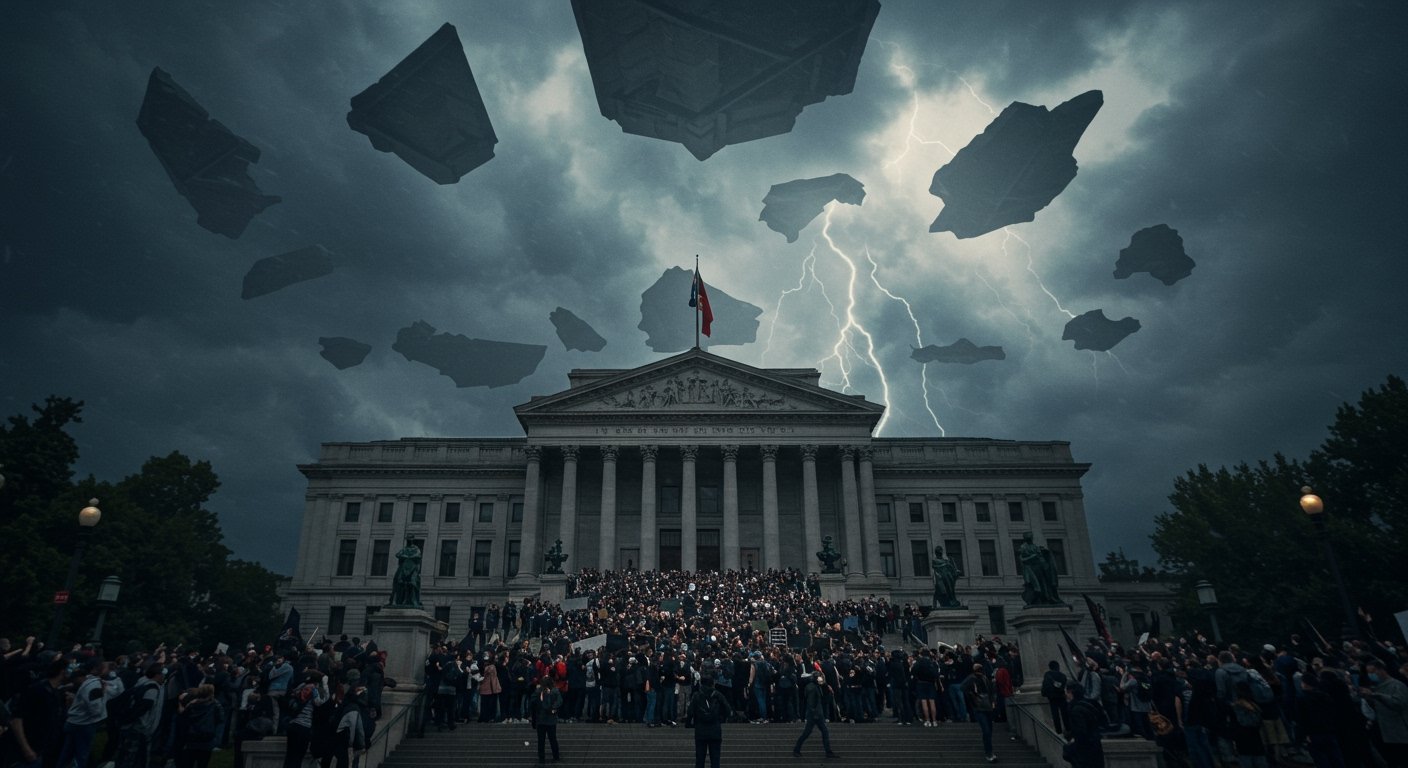
Beyond the technical challenge of identifying forgeries, the ‘liar’s dividend’ has emerged as a significant psychological byproduct of this technology. When voters are bombarded with conflicting information and know that deepfakes are prevalent, they become increasingly skeptical of all media, including authentic reports. This cynicism allows bad actors to dismiss legitimate evidence of wrongdoing by claiming it is ‘AI-generated’ or a ‘deepfake.’ Consequently, truth becomes a matter of partisan preference rather than objective verification, further fracturing the information landscape just months before voters head to the polls.
The Technological Arms Race
To counter this threat, a new industry of forensic AI detection has materialized. Tech companies are racing to develop watermarking standards and cryptographic provenance, such as C2PA, which aim to provide a digital chain of custody for authentic images and videos. However, these tools are often reactive. The creators of deepfakes iterate faster than defensive algorithms can adapt, leading to a relentless technological arms race. Campaign committees are now allocating substantial portions of their budgets toward rapid-response legal teams and digital forensic firms, rather than traditional advertising and grassroots mobilization, fundamentally altering how campaigns operate in the digital age.
Institutional Vulnerability
Local election offices, often underfunded and understaffed, are at the front lines of this digital crisis. Unlike national campaigns, which have the resources to hire forensic experts, local officials are left to manage the fallout of deepfakes that target their specific jurisdictions. The fear is that a perfectly timed video released 48 hours before an election—showing a candidate making an inflammatory statement or accepting an illegal contribution—could be shared millions of times, leaving no time for a meaningful rebuttal or official investigation before the ballots are cast. The 2026 midterms are proving to be the ultimate stress test for democratic institutions in the age of synthetic media.
FAQ: People Also Ask
How can voters identify if a video is a deepfake?
Voters should look for unnatural blinking, mismatched lip-syncing, jittery edges around the face or hair, and inconsistent lighting. Additionally, verify the content through multiple reputable news sources; if a shocking video only appears on one social media account without mainstream coverage, it is highly likely to be fabricated.
Is there federal legislation addressing AI in campaigns?
Currently, there is no comprehensive federal law governing AI deepfakes in political ads, though several states have enacted their own regulations. The FEC is currently debating how existing campaign finance laws apply to AI-generated content, but a unified national standard remains elusive.
What are platforms doing to prevent the spread of AI misinformation?
Major platforms have implemented labeling requirements for AI-generated content and strengthened partnerships with fact-checking organizations. However, critics argue these measures are insufficient given the sheer volume of content and the speed at which deepfakes can go viral.