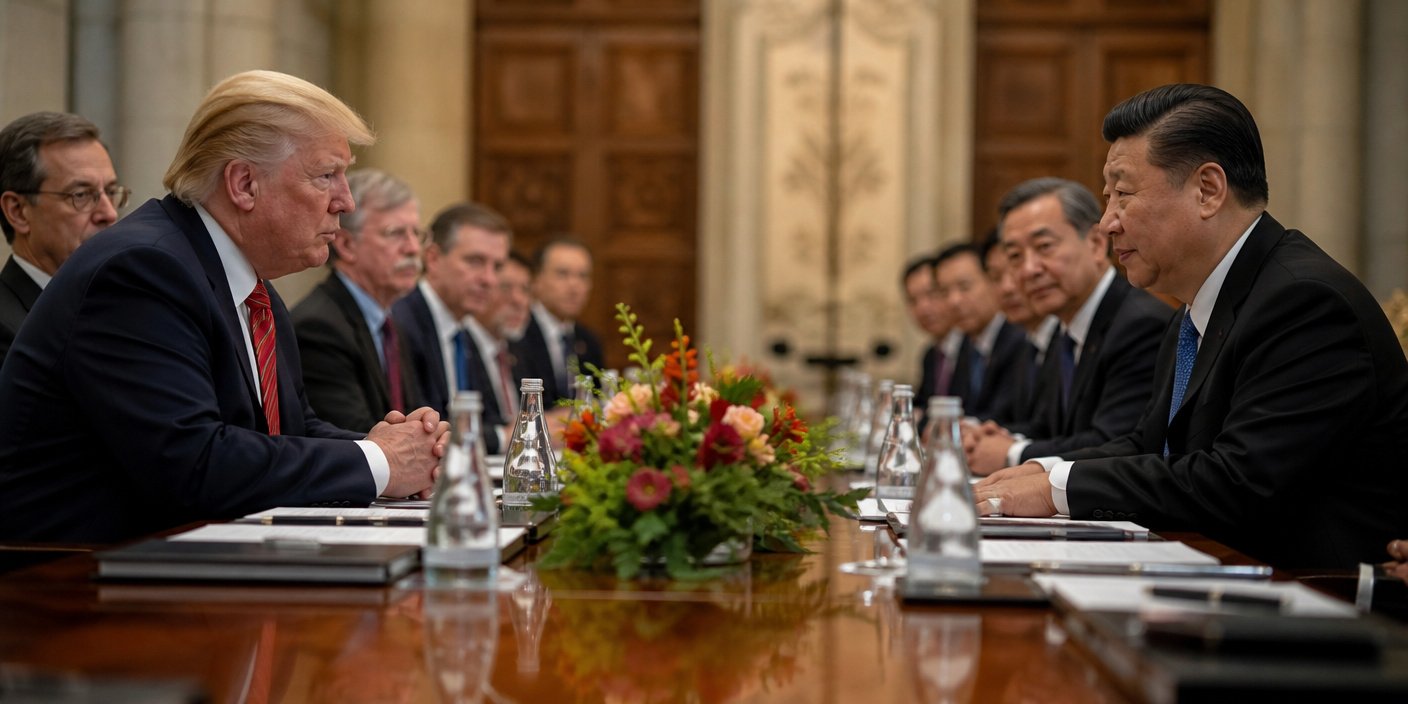
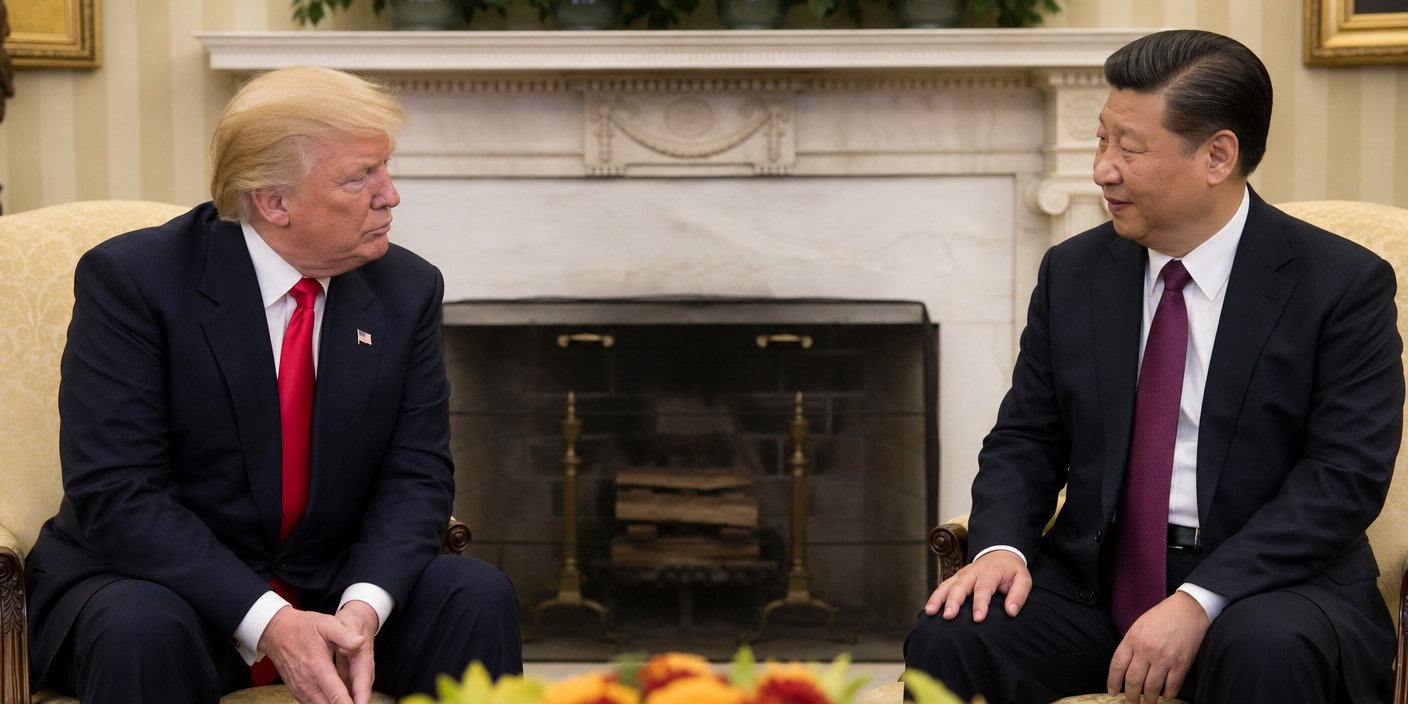
Talks began in Abu Dhabi. Ukrainian and Russian negotiators met Wednesday. The US brokered these crucial discussions. This is the second round of meetings. Hopes for a quick breakthrough remain low. Tensions are extremely high. This story is of top international importance.
Escalating Strikes Shadow Diplomacy
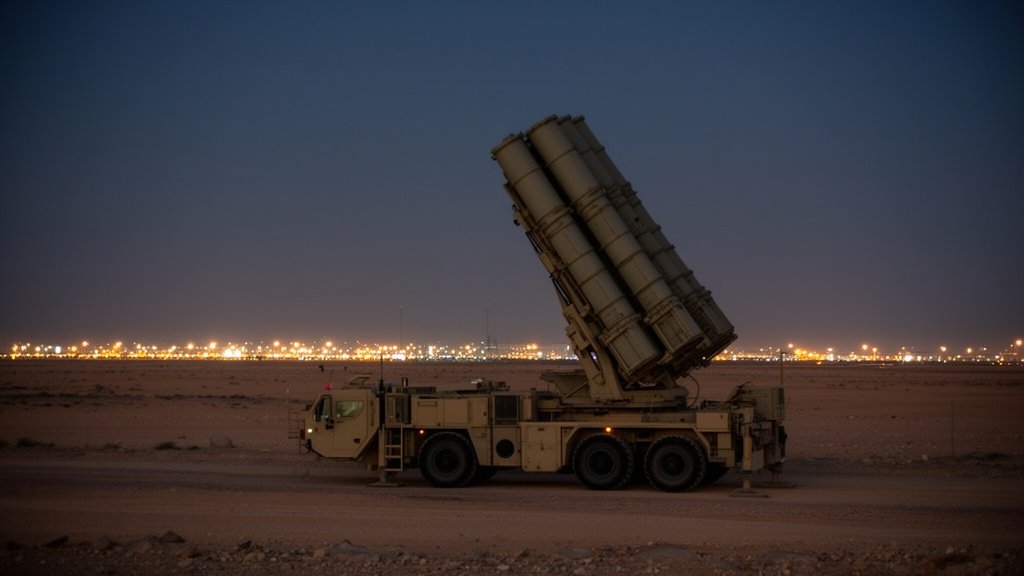
Massive Russian strikes preceded the talks. These attacks targeted Kyiv and Ukraine’s energy grid. Temperatures plummeted well below freezing. Thousands lost power and heat. Ukraine reported 71 ballistic missiles. Russia also deployed 450 drones. President Zelenskyy condemned the attacks. He called them a “deliberate” act of terror. These strikes came just before the meetings. They cast a dark shadow over diplomacy.
Ukraine accused Russia of betraying truces. President Trump stated the truce ended Feb 1. However, Ukraine views these attacks as a clear sign. Russia does not take peace talks seriously. NATO’s chief echoed this concern. Mark Rutte said attacks signal no seriousness about peace.
Key Players Convene in UAE
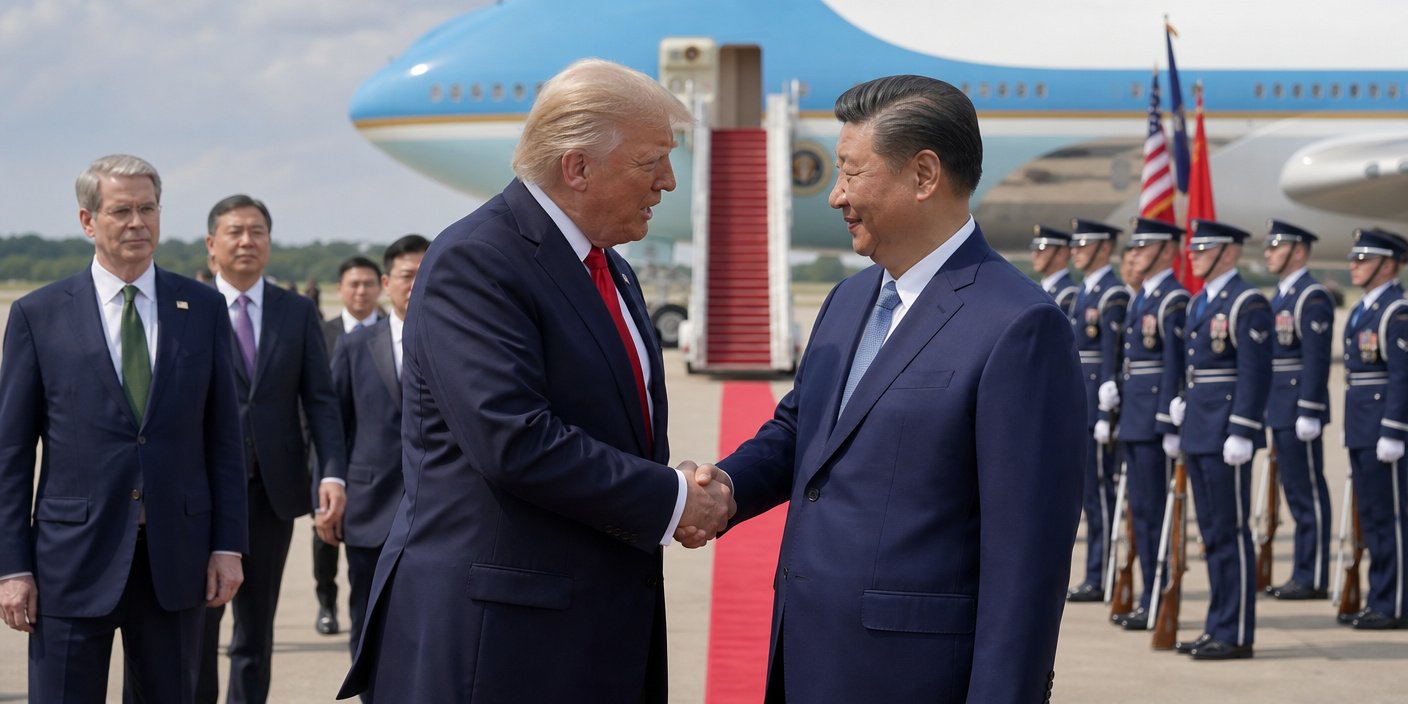
Ukraine’s delegation is led by Rustem Umerov. He is Ukraine’s national security chief. Umerov confirmed the talks began. He seeks a “dignified and lasting peace”. The US plays a key brokering role. Special Envoy Steve Witkoff represents American interests. Jared Kushner, Trump’s son-in-law, also attended previous talks. Russia’s delegation includes Igor Kostyukov. He heads military intelligence. Kirill Dmitriev is also a Russian envoy.



The talks follow previous sessions. An earlier round occurred in January. Diplomacy has been challenging. Several rounds failed to achieve a deal.
Deep Divisions Remain
The core dispute centers on territory. Russia demands Ukraine withdraw troops from eastern Donetsk. It wants international recognition of captured land. Russia occupies about 20% of Ukraine’s territory. Ukraine prefers freezing the conflict. They reject unilateral troop withdrawals. The fate of the Zaporizhzhia nuclear plant is another issue.
Negotiations are complex. Progress is slow. Both sides remain far apart on key points. Ukrainians largely oppose land concessions.
Western Allies Consider New Pacts
Western allies are exploring new security measures. They are considering a defense pact. This pact could involve a coordinated response. This response would target future Russian ceasefire violations. The US and Europe would act together. Russia views Western military presence as unacceptable. Such deployments could be seen as intervention.
Ukraine seeks security guarantees. They want to prevent future aggression. The US has pushed for a peace plan. However, Russia’s demands are strict.
Ukraine’s Plea for Lasting Peace
Ukraine is prepared for peace talks. However, they demand a “dignified and lasting peace”. President Zelenskyy’s directives guide the negotiators. Recent Russian attacks complicate this goal. They show Russia’s continued focus on war. The negotiating team will adjust its position.
An Uncertain Path Forward
The talks are scheduled for two days. They are unlikely to yield immediate results. The situation remains volatile. Heavy fighting continues on the ground. The New START treaty is also expiring. This treaty limits nuclear arsenals. These negotiations are a critical step. They offer a slim chance for de-escalation. However, trust remains deeply fractured. The road ahead is uncertain. Many observers await outcomes.