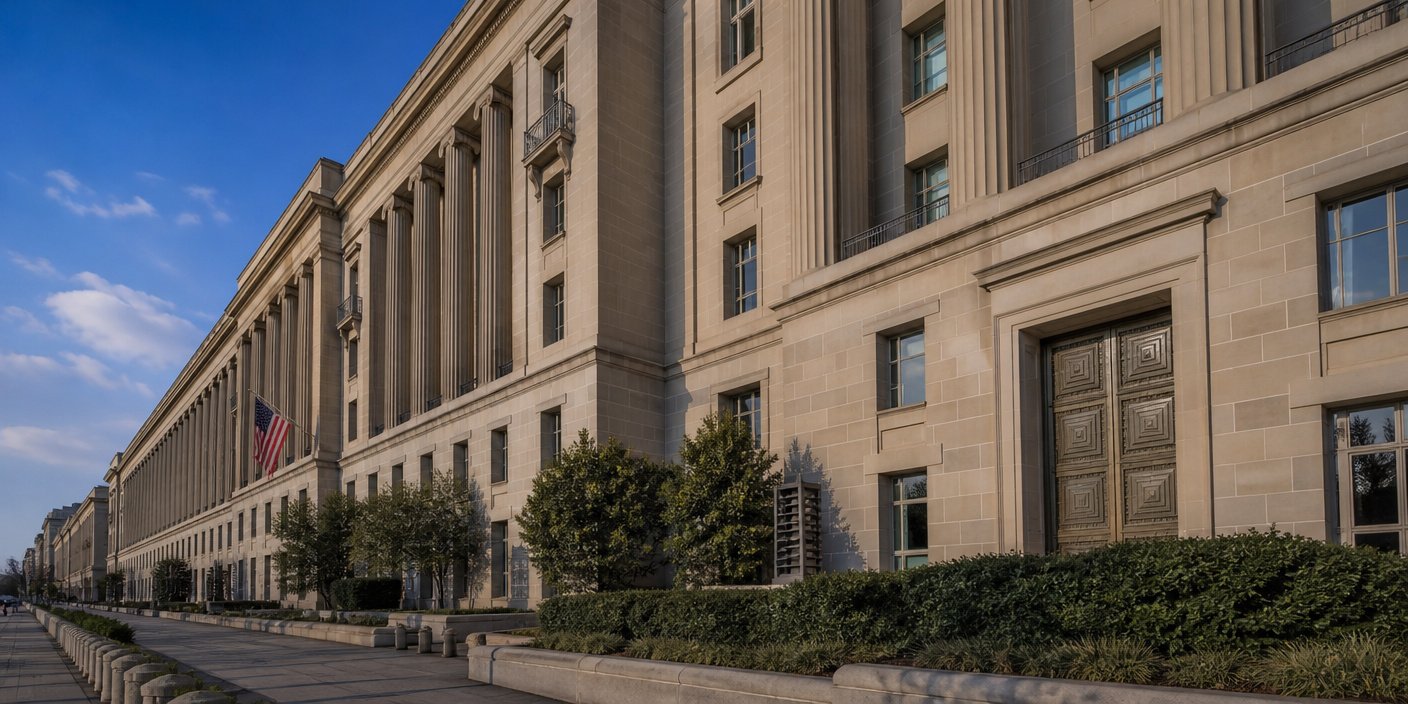
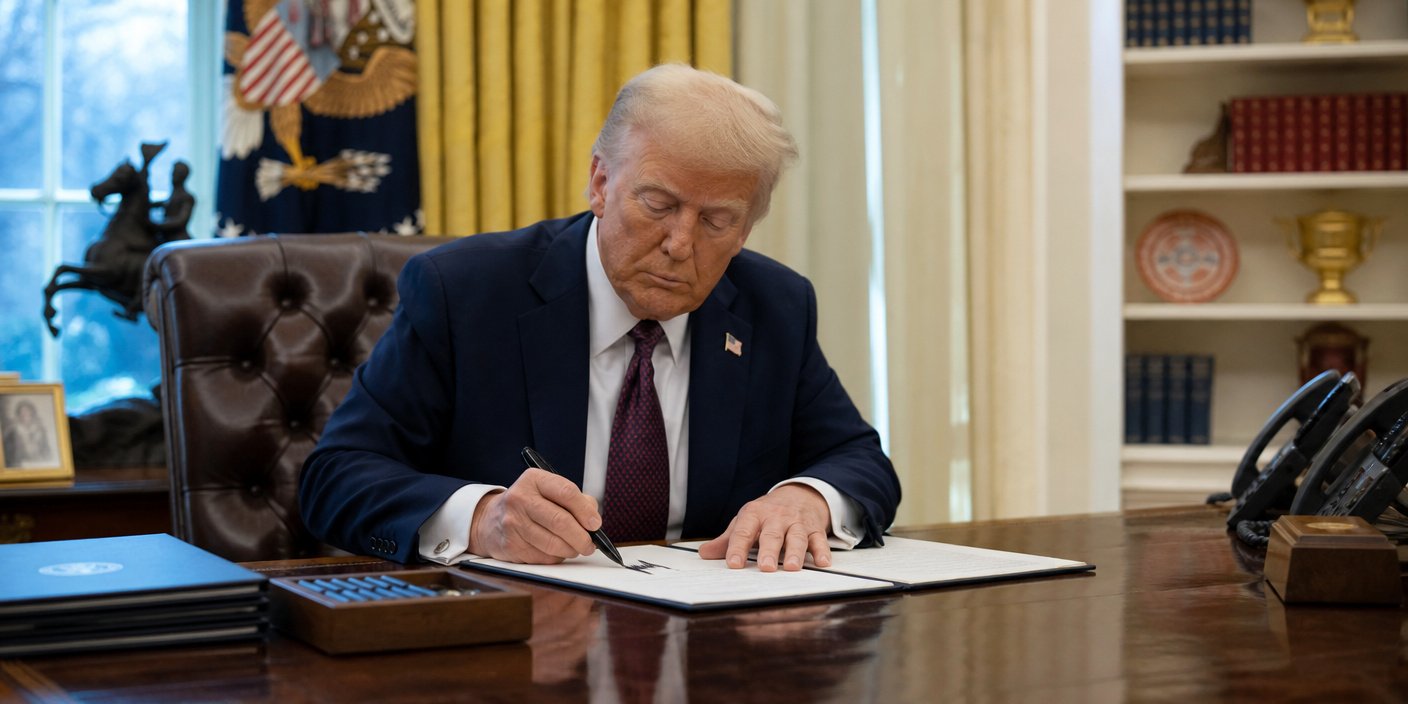
President Donald Trump announced a significant shift in US Foreign Policy, revealing the United States’ withdrawal from 66 international organizations. This decision marks a major change in U.S. global engagement, signaling a move toward a more unilateral approach. The move impacts many groups, including UN-affiliated bodies and numerous non-UN organizations, all identified by the administration as potentially harmful or not serving American interests. This action follows a thorough review initiated by an executive order, which assessed U.S. participation in global bodies and examined treaty commitments as part of a broader re-evaluation of US Foreign Policy.
Reasons for Withdrawal from International Organizations
The White House stated clear reasons for the withdrawal, asserting that these organizations were deemed contrary to U.S. interests, described as wasteful, mismanaged, unnecessary, or poorly run, and could even pose a threat to American sovereignty. The administration argued these bodies promoted globalist agendas and often advanced progressive ideology, which conflicted with U.S. priorities. Secretary of State Marco Rubio famously called some of these organizations “anti-American” and others “useless or wasteful.” This approach to US Foreign Policy signals an end to funding foreign interests, with billions in taxpayer money to be saved and resources to be refocused on domestic needs like infrastructure and security, aligning with an “America First” strategy. The US Foreign Policy shift prioritizes national sovereignty over collective governance.
Key Organizations Targeted in US Foreign Policy Changes
Several prominent organizations are on the exit list, reflecting key aspects of the changing US Foreign Policy. Key climate bodies faced withdrawal, including the U.S. departure from the UN Framework Convention on Climate Change (UNFCCC) and the Intergovernmental Panel on Climate Change (IPCC), groups that study and coordinate climate action. Other notable departures under this new US Foreign Policy direction include the UN Human Rights Council, the UN Relief and Works Agency for Near East (UNRWA), and UNESCO. Previous exits under the Trump administration’s US Foreign Policy included the World Health Organization (WHO), and the Paris Climate Agreement withdrawal was also initiated. This broad action targets groups perceived as inefficient or obstructive, aiming to reclaim American independence and reject global governance over national interests, a core tenet of the Trump foreign policy.
Impact and Reactions to the US Foreign Policy Shift
Critics voiced immediate concerns, warning that this withdrawal could isolate the U.S., diminish America’s global standing, and jeopardize ties with allies. Some experts fear a less safe world and reduced U.S. influence on global rulemaking, suggesting this move could benefit rival nations like China. Experts suggest this shift in US Foreign Policy harms American prosperity, potentially increasing costs for energy and food. This decision is seen by some as anti-science and undermining collective action on global challenges. Legal challenges may arise, especially concerning Senate-ratified treaties, though the administration defends its stance by prioritizing American citizens and seeking cooperation only when beneficial. This represents a significant departure, reshaping the U.S. role on the world stage and impacting American politics. It is a major development in international news, intensifying the debate over global engagement and reflecting a broader re-evaluation of international ties. The future direction of US Foreign Policy remains uncertain amid these significant global engagement changes.