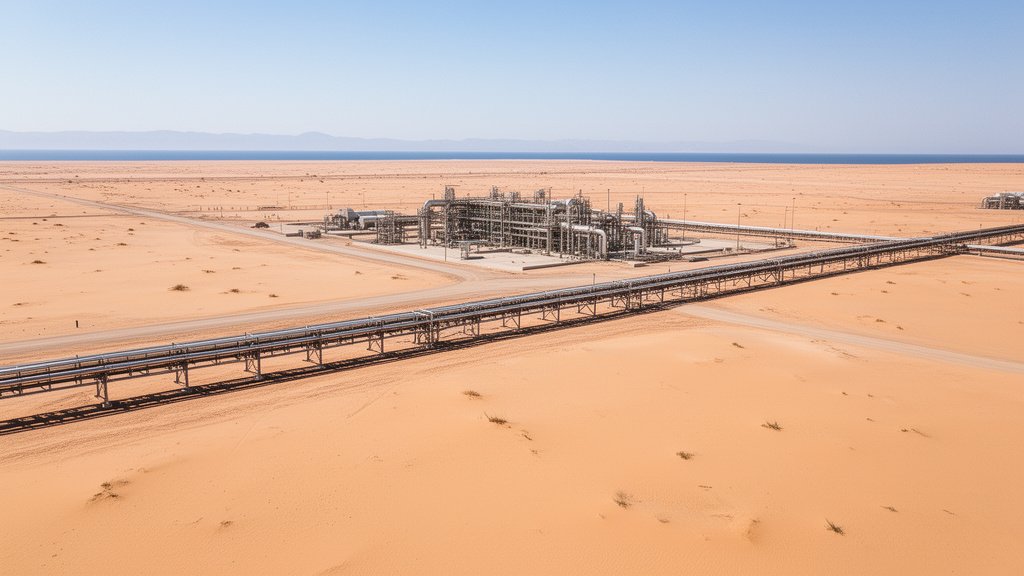
US ISIS Strike on Christmas Night Highlights Concerns Over Christian Persecution
In a significant development, a US ISIS strike was carried out on Christmas night, targeting militants in Nigeria. President Donald Trump announced the successful operation, describing it as “powerful and deadly.” This precise US ISIS strike followed weeks of public criticism from the President directed at Nigeria’s government. Trump had accused the Nigerian authorities of failing to adequately protect its Christian population from escalating violence, framing the action as a response to ongoing Christian persecution.
Trump’s Christmas Announcement of US ISIS Strike
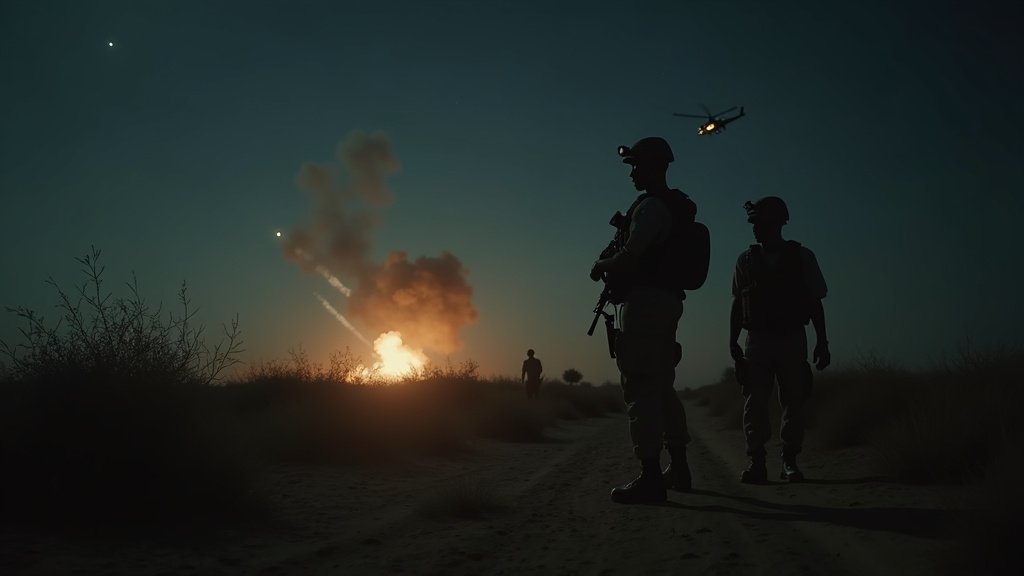
President Trump took to social media to announce the successful US ISIS strike. He stated the U.S. military struck “ISIS Terrorist Scum” operating in Northwest Nigeria. Trump emphasized that these militants were viciously targeting and killing Christians, citing levels of brutality unseen in centuries. The President asserted that the US ISIS strike was executed at his direction, acting as Commander in Chief. This decisive American action served as a direct response to his previous warnings to terrorists, where he had vowed “hell to pay” if they continued to harm Christians. The significance of this US ISIS strike on a holiday known for peace cannot be overstated.
Military Confirmation and Cooperation in the US ISIS Strike
The U.S. military officially confirmed the US ISIS strike. U.S. Africa Command (AFRICOM) issued a statement detailing that strikes took place in Sokoto State, resulting in the elimination of “multiple ISIS terrorists.” A Defense Department official corroborated the operation, confirming that the U.S. worked in cooperation with Nigeria. The Nigerian government provided its approval for the strikes, and the Nigerian Ministry of Foreign Affairs affirmed this collaborative effort. This cooperation included crucial intelligence sharing and strategic coordination, all conducted in accordance with international law and demonstrating mutual respect for sovereignty. Nigeria also underscored its shared security commitments in addressing the Nigerian security crisis.
The Context of Violence Surrounding the US ISIS Strike
Nigeria grapples with a severe and multifaceted security crisis, impacting numerous communities. While Christians are indeed victims of targeted violence, residents and analysts point to a broader pattern affecting both Christians and Muslims. ISIS West Africa (ISIS-WA), a prominent offshoot of Boko Haram, is a major player in this Nigerian security crisis, fighting to establish an Islamic caliphate and frequently targeting military personnel and civilians alike, including Christians. The roots of this violence are complex, stemming from farmer-herder clashes, ethnic rivalries, and the pervasive activities of criminal gangs. It is important to note that the majority of victims of these jihadist groups are often Muslim, underscoring the intricate nature of the conflict beyond a single narrative, even in the context of a US ISIS strike.
ISIS-West Africa Province (ISIS-WA) and its Threat
ISIS-WA stands as one of ISIS’s largest and most active branches, primarily operating in northeastern Nigeria and across the wider Lake Chad region. The group employs tactics such as ambushes, assaults, roadside bombings, and kidnappings in its quest to establish its own caliphate. Designated a foreign terrorist organization, ISIS-WA poses a significant threat, not only to government targets and civilians but also specifically to Christian communities. The recent US ISIS strike aims to disrupt their operations.
American Politics and Foreign Policy on Counter Terrorism Nigeria
This US ISIS strike is interwoven with broader American politics and Trump foreign policy. President Trump has consistently emphasized religious freedom issues on the global stage. The U.S. has previously designated Nigeria as a “country of particular concern” due to severe religious freedom violations. Trump had previously threatened to reduce aid to Nigeria and directed the Pentagon to formulate military action plans. This latest development underscores ongoing counter-terrorism efforts, driven by American interests in regional stability. The U.S. maintains a long-standing security partnership with Nigeria, which includes military training and equipment provisions crucial for counter terrorism Nigeria.
Nigeria’s Security Landscape and AFRICOM Operations
Nigeria is actively engaged in combating multiple armed groups, including ISIS-WA and Boko Haram. These insurgencies have led to massive internal displacement, with millions of internally displaced persons and hundreds of thousands of refugees. The persistent violence has disrupted lives across the northern regions for years. The Nigerian government collaborates with international partners, such as the Multinational Joint Task Force, to confront these terrorist threats. AFRICOM operations, including the recent US ISIS strike, are part of this broader strategy to enhance security.
Broader Implications of the US ISIS Strike
The successful US ISIS strike demonstrates the United States’ resolve and its commitment to combating terrorism globally. The coordinated nature of this operation with Nigeria signifies a degree of diplomatic engagement, even amidst complex challenges. However, Nigeria’s security situation remains a formidable and intricate problem, fueled by a confluence of factors. The long-term effectiveness of such targeted actions, like the US ISIS strike, is crucial, and continued international cooperation is vital for sustained progress. This event carries significant weight for global politics, influencing American foreign policy discussions and marking an important development in regional news as the fight against extremism persists.