Pacific Northwest flooding in November 2021 brought catastrophic devastation to the region. Intense rains triggered widespread destruction, with British Columbia and Washington State bearing the brunt of this extreme weather event. This disaster became a top story of natural calamity, highlighting the immense power of atmospheric river systems. Thousands of residents faced evacuation orders, critical infrastructure suffered significant damage, and homes and livelihoods were washed away, but this is also a story of resilience amidst destruction.
Atmospheric Rivers Unleash Torrential Rains Causing Pacific Northwest Flooding
Powerful weather systems fueled the disaster. Atmospheric rivers are long, narrow channels of moisture that stretch across vast distances in the sky. These “rivers in the sky” transport enormous amounts of water vapor. The “Pineapple Express” is one such phenomenon, drawing moisture from near Hawaii. This particular event delivered record-breaking rainfall, with some areas receiving a month’s worth of rain in just 48 hours. These systems arrived after a hot, dry summer. Wildfires had already scarred the land. Soils were already saturated from earlier rains, creating a perfect storm ripe for massive flooding.
Scale of the Catastrophe: Pacific Northwest Flooding Impact
The Pacific Northwest flooding was extensive and severe, affecting large regions on both sides of the US-Canada border. Rivers like the Nooksack and Skagit overflowed their banks. The Fraser River and its tributaries also surged. Mudslides and landslides occurred frequently, blocking crucial roadways and cutting off entire towns from outside access. The scale of destruction was staggering, leaving communities reeling and prompting widespread emergency declarations. It was a stark reminder of nature’s raw power.
Communities Engulfed by Water During the November 2021 Floods
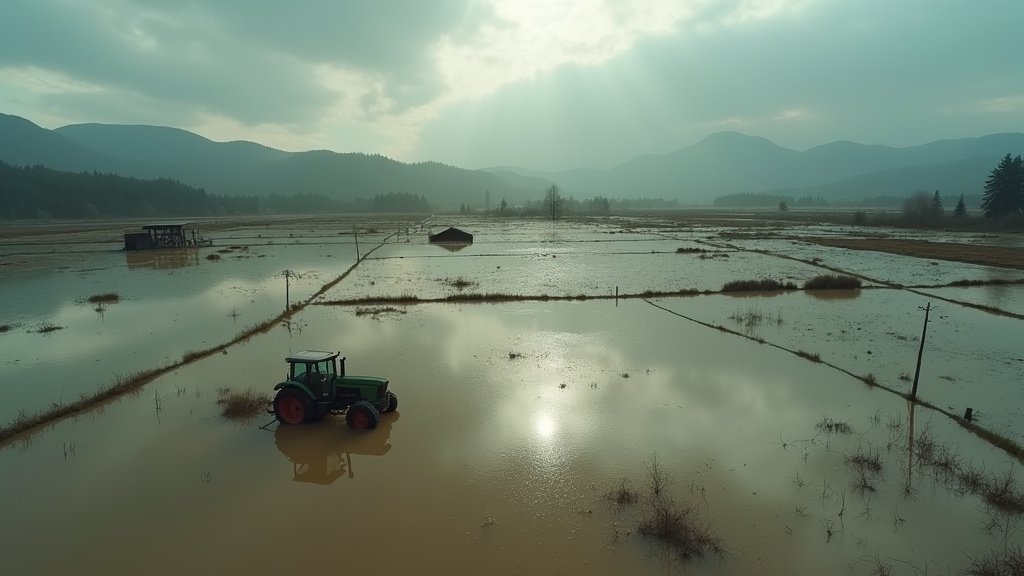
British Columbia experienced immense hardship. The Fraser Valley was particularly hard hit, with many agricultural areas flooded. The city of Merritt faced a full evacuation for all 7,000 residents due to damage to bridges and a wastewater plant. Princeton also issued evacuation orders as the Tulameen and Similkameen rivers breached their banks. Abbotsford saw the Sumas Prairie inundated, a region vital for agriculture. Thousands of people were forced to flee as their homes became islands in the floodwaters.
Western Washington Flooding Devastation
Washington State suffered greatly too from the Pacific Northwest flooding. Whatcom and Skagit counties saw record flooding, with the Nooksack River reaching historic elevations and flooding areas from Lynden to Ferndale. The Skagit River also breached its banks, submerging Mount Vernon and surrounding areas. The town of Sumas, near the border, was devastated, with an estimated 75% to 85% of homes there experiencing water damage. Approximately 100,000 residents were affected in western Washington, with tens of thousands facing power outages and immediate displacement. The damage was described as catastrophic.
Critical Infrastructure Crippled by Pacific Northwest Flooding
Transportation networks faced severe disruption. Major highways became impassable. Sections of the Coquihalla Highway (BC Hwy 5), a vital route connecting the coast to interior BC, washed away. Highway 1, Highway 7, and Highway 99 also suffered damage, effectively cutting off Metro Vancouver from the rest of Canada. Rail lines operated by CN and CP were severed, halting essential freight movement. The Port of Vancouver, Canada’s largest, was isolated, preventing goods from reaching or leaving, creating significant supply chain issues.
Agricultural Impact: Lifelines Severed by Flooding
The Pacific Northwest flooding devastated vital agricultural regions. The Fraser Valley in British Columbia, a major food producer and accounting for much of BC’s dairy, egg, and chicken output, was heavily impacted. Hundreds of thousands of farm animals perished, and crops were destroyed by the floodwaters. Many farms were submerged, threatening food security for the region. The economic impact on farmers was immense, facing ruin and immense cleanup challenges, with broken supply chains making getting products to market impossible.
Human Toll and Response to the Disaster
Tragically, lives were lost in the disaster, with at least five fatalities reported, some being indirect consequences of the flooding. Emergency crews worked tirelessly, performing numerous rescues of people stranded on highways needing helicopter or boat assistance. Both BC and Washington declared states of emergency, mobilizing state and provincial resources. The military was deployed in British Columbia, and aid organizations stepped in to provide essential supplies like cleanup kits. Recovery efforts faced daunting tasks, and many communities began the long process of rebuilding.
The Economic Fallout of Extreme Weather Events
The economic impact of the Pacific Northwest flooding was substantial, with damage estimates ranging from $2.5 billion to $7.5 billion USD. Property damage was widespread, with homes, businesses, and farms destroyed. Infrastructure repairs will cost billions. The disruption to the Port of Vancouver affected national commerce, with goods valued at over $550 million per day impacted. The Trans Mountain Pipeline shut down temporarily, highlighting the economic vulnerability of the region. Winter tourism also faced potential losses, and the economic shockwaves will be felt for years.
Climate Change Connection to Pacific Northwest Flooding
Scientists link these extreme events to climate change. Warmer oceans fuel stronger atmospheric rivers, carrying more moisture. Previous wildfires created conditions for landslides, as burn scars on hillsides meant less water absorption, increasing runoff and flood risk. Such extreme weather events are becoming more frequent and intense. Experts warn that communities must adapt, and preparedness is crucial for future resilience. This event served as a warning.
A Story of Resilience Amidst Pacific Northwest Flooding
Despite the devastation, stories of resilience emerged. Communities worked together to help neighbors, and volunteers provided crucial support. The road to recovery is long and requires sustained effort and resources. Lessons learned from this disaster are vital for informing future planning and mitigation. The Pacific Northwest faced a harsh test, and its people showed remarkable strength. This American story underscores the need for action, highlighting our shared vulnerability and our collective capacity to rebuild.