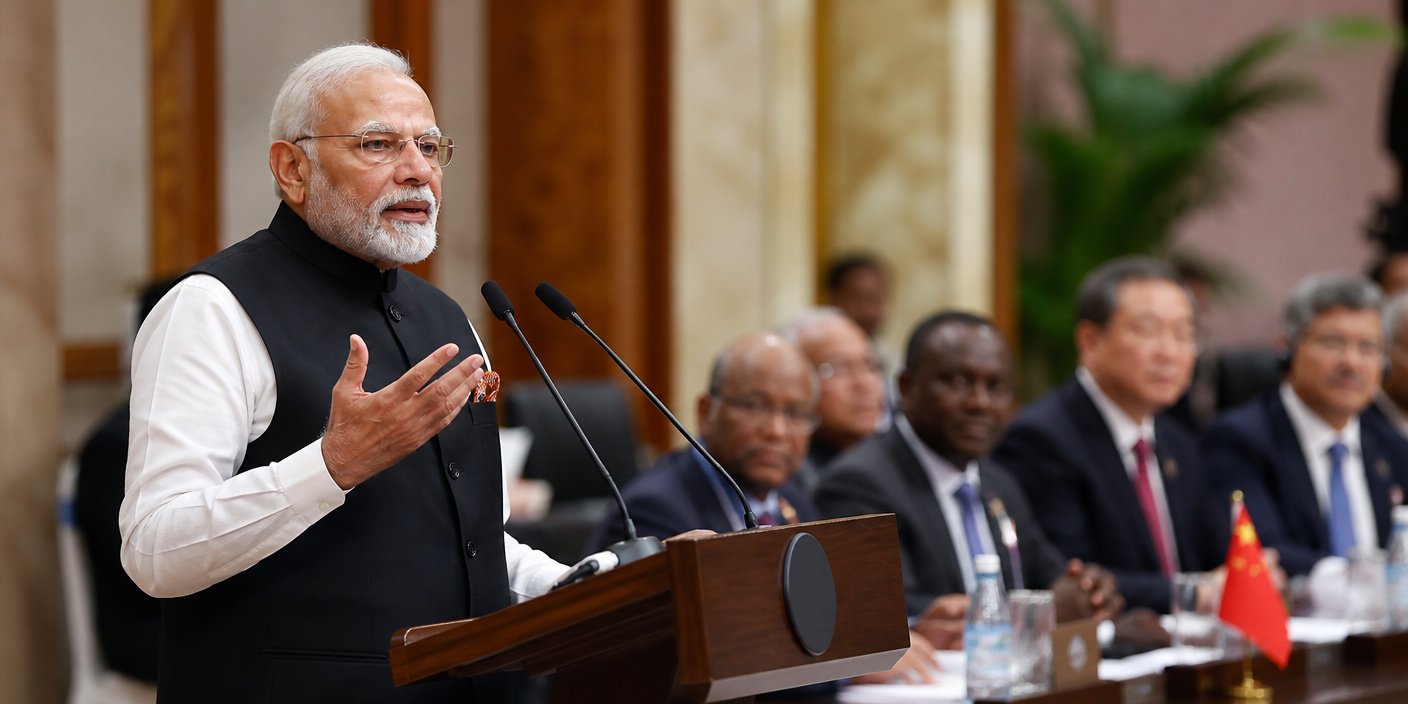
A federal grand jury has returned an indictment against John Bolton, the former national security adviser to President Donald Trump, charging him with 18 criminal counts related to the alleged mishandling of classified information. The charges, which include eight counts of transmitting national defense information and ten counts of unlawful retention of national defense information, stem from allegations that Bolton shared sensitive government documents with individuals not authorized to receive them. This development marks the third time in recent weeks that the Justice Department has brought criminal charges against a prominent critic of the former president.
Detailed Indictment Alleges Transmission and Retention of Sensitive Data
The indictment, unsealed in Maryland, details accusations that Bolton, while serving as National Security Advisor, abused his position by sharing over 1,000 pages of information concerning his day-to-day activities with two unnamed relatives. Prosecutors allege that this material included classified information, some of which reached the Top Secret and Sensitive Compartmented Information (SCI) levels. These diary-like entries reportedly contained detailed intelligence learned from meetings with senior U.S. government officials, intelligence briefings, discussions with foreign leaders, and intelligence products.



Bolton is accused of transmitting this sensitive data using personal, non-governmental email accounts, such as those hosted by AOL and Google, and an insecure messaging app. Furthermore, the indictment states that Bolton also illegally retained classified documents, writings, and notes related to national defense at his home in Montgomery County, Maryland, and his office in Washington, D.C.. FBI agents reportedly found printouts of these diary entries and electronic files showing he sent messages during a search of his home and office in August.
Allegations of Iranian Hack and Subsequent Disclosure Concerns
A significant aspect of the indictment involves allegations that Bolton’s personal email account was hacked by cyber actors believed to be linked to the Iranian government sometime between 2019 and 2021. Prosecutors claim that after Bolton’s representative notified the FBI about the hack in July 2021, they did not disclose that the account contained classified information or that Bolton had shared such material with his relatives. The indictment also references an email received by Bolton from the hacker, taunting him and comparing the potential scandal to the leak of Hillary Clinton’s emails, warning him to “Contact me before it’s too late”.
Bolton’s Defense: Diaries Are Unclassified and Prior Investigations Resolved
John Bolton’s legal team, led by attorney Abbe Lowell, has vehemently denied the charges. Lowell stated that the charges stem from portions of Ambassador Bolton’s personal diaries, which he maintains are unclassified records shared only with his immediate family and have been known to the FBI since 2021. “Like many public officials throughout history, Amb. Bolton kept diaries – that is not a crime,” Lowell said in a statement, adding that they look forward to proving Bolton did not unlawfully share or store any information. Bolton himself has characterized the indictment as a politically motivated action, stating he has become “the latest target in weaponizing the Justice Department” and accusing the administration of abusing its power.
Broader Context: Trump Critics in Legal Crosshairs and Espionage Act Cases
The indictment of John Bolton follows similar federal charges brought against other critics of former President Trump, including former FBI Director James Comey and New York Attorney General Letitia James. Legal experts note that the indictment against Bolton is notably more detailed than those in the Comey and James cases. These charges are brought under the Espionage Act, a statute typically used in cases involving leaks, espionage, or unauthorized retention of national defense material.
Bolton’s legal troubles are not entirely new; the Justice Department previously pursued a lawsuit to block the publication of his 2020 memoir, “The Room Where It Happened,” alleging it contained classified information that could harm national security. While the Trump administration asserted the book contained classified details, Bolton’s lawyers maintained he moved forward after a White House official indicated the manuscript no longer contained such information. This case also emerges in the shadow of other high-profile investigations into the handling of classified documents, including those involving former President Donald Trump himself and President Joe Biden.
A Long Career in Foreign Policy and Public Service
John Bolton is an American lawyer, diplomat, and a prominent figure in Republican foreign policy circles, known for his hawkish views. He served as Trump’s National Security Adviser from 2018 to 2019. Prior to that, he was the U.S. Ambassador to the United Nations under President George W. Bush and held various positions within Republican administrations, including the Justice Department and the State Department. His tenure in the Trump administration was marked by significant disagreements with the president, ultimately leading to his departure.
Legal Ramifications and Future Proceedings
If convicted on all counts, Bolton could face a maximum of 10 years in prison for each charge, potentially leading to decades behind bars. Attorney General Pamela Bondi has stated, “Anyone who abuses a position of power and jeopardizes our national security will be held accountable. No one is above the law”. FBI Director Kash Patel added that the investigation was based on “meticulous work from dedicated career professionals”. The case is assigned to U.S. District Judge Theodore Chuang. This ongoing legal battle is poised to be a significant story, highlighting the complex intersection of national security, presidential politics, and the justice system.