Skip to content
Trending
August 8, 2025NTT Unveils Groundbreaking AI Collaboration Technology Mimicking Human Dialogue April 8, 2025Top Entertainment Headlines: Comedy Giants, Hollywood Loss, Hip-Hop Family News March 9, 2025Democrats Embrace Unvarnished Language in Political Arena November 16, 2025American Crossroads: Political Divides Widen Amidst Economic Warnings and AI’s Workplace Revolution May 29, 2025AI Revolutionizes Digital Interaction: Startup Envisions a Screen-Free Computing Future June 20, 2025Global Cybersecurity Crisis: ‘Mother of All Breaches’ Exposes Staggering 16 Billion Records February 11, 2025Google Reverses Stance on AI Weapons, Joins Troubling Industry Trend November 12, 2025China Sharpens Taiwan Rhetoric: A ‘Longer-Term’ Strategy of Linguistic and Military Pressure September 17, 2025Trump Secures Framework Deal with China to Keep TikTok Operating in the US March 10, 2025March 10, 2025: Trump Targets Musk, Cuts Ukraine Aid Amid Russian Attacks, and Clashes with Universities
  • Home
  • Top Stories
  • National News
  • Health
  • Business
  • Tech & Innovation
  • Entertainment
  • Politics
  • Culture & Society
  • Crime & Justice
  • Editorial
  • Home
  • Top Stories
  • National News
  • Health
  • Business
  • Tech & Innovation
  • Entertainment
  • Politics
  • Culture & Society
  • Crime & Justice
  • Editorial
  • Blog
  • Forums
  • Shop
  • Contact
  Editorial  Trump Administration Intensifies U.S. Citizenship Scrutiny with Expanded ‘Good Moral Character’ Review
Editorial

Trump Administration Intensifies U.S. Citizenship Scrutiny with Expanded ‘Good Moral Character’ Review

Meredith LaneMeredith Lane—August 27, 20250
FacebookX TwitterPinterestLinkedInTumblrRedditVKWhatsAppEmail

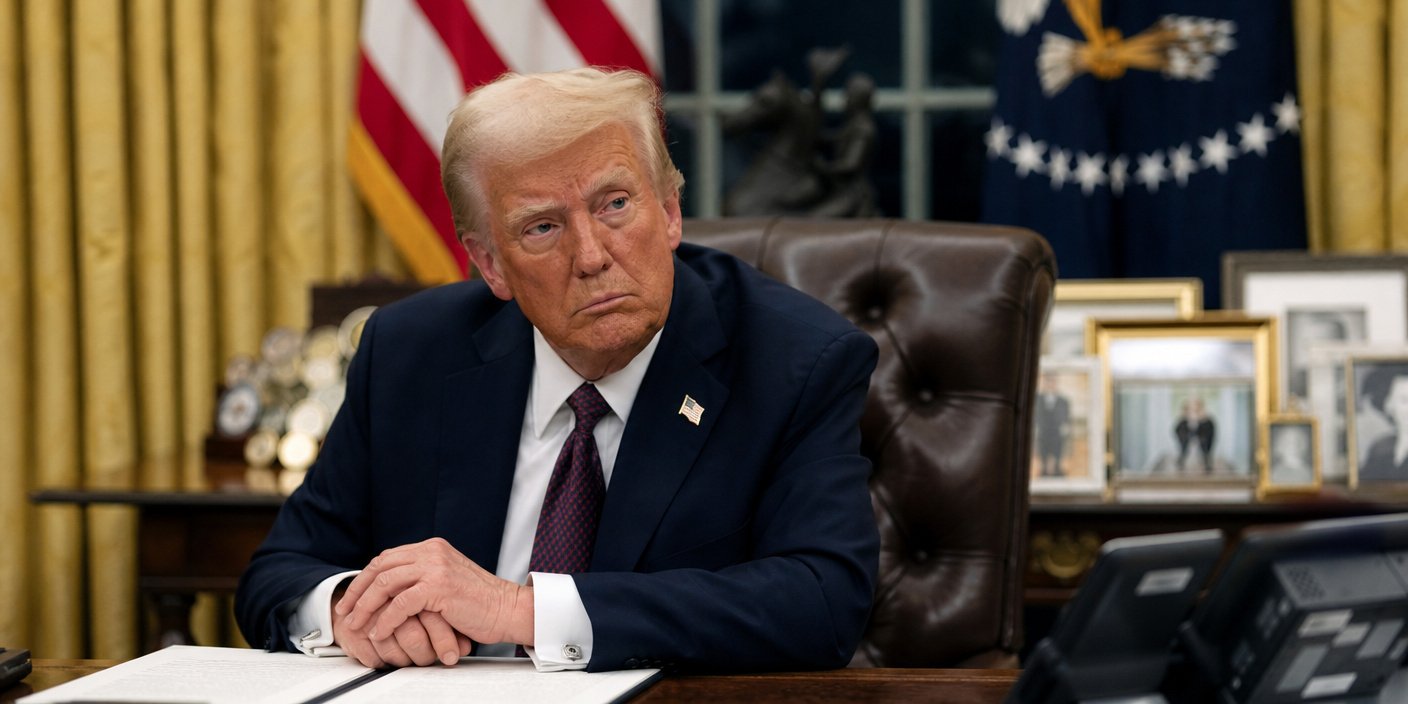
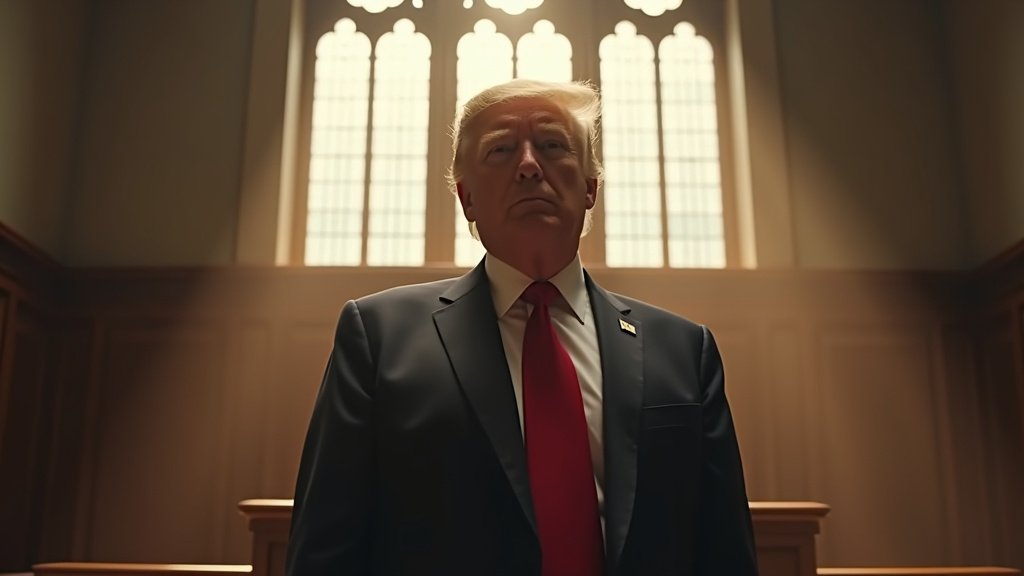
WASHINGTON D.C. – In a significant alteration to the pathway to American citizenship, the Trump administration implemented sweeping changes to the evaluation of “good moral character” for naturalization applicants. This policy shift, detailed in guidance issued by U.S. Citizenship and Immigration Services (USCIS), expanded the criteria beyond traditional assessments of criminal history to include a more subjective and holistic review of an applicant’s life and community contributions.

This directive marked a notable part of the administration’s broader agenda to reform and often restrict access to U.S. immigration benefits, aiming to ensure that only individuals deemed the “best of the best” would attain the status of American citizen.

Redefining “Good Moral Character”

For decades, the requirement of demonstrating “good moral character” (GMC) was primarily a measure focused on the absence of disqualifying conduct. This typically meant applicants were evaluated based on whether they had committed certain serious crimes, such as murder, aggravated felonies, or had a history of drug offenses, within a statutory period preceding their application. However, the Trump administration’s policy memo, issued around August 2025 (reflecting a policy enacted during the administration’s tenure), signaled a fundamental change in this approach.

USCIS officers were instructed to move beyond a “cursory mechanical review” and instead conduct a comprehensive “holistic assessment” of an applicant’s behavior. This meant evaluating not just the absence of wrongdoing, but actively considering an individual’s positive attributes and contributions to society.

A Broader Spectrum of Evaluation
More stories

Tragedy Strikes Minneapolis: 2 Children Dead, 17 Injured in Annunciation Catholic School Mass Shooting; FBI Investigates as Domestic Terrorism

August 29, 2025

White House Explores Greenland Acquisition: U.S. Territorial Ambitions Revived Amid Arctic Security Concerns

January 7, 2026

Press Freedom Under Fire: US Media Institutions Face Mounting Pressure

May 2, 2025

Trump Era Flashpoints: Deportation Standoff, New Tariffs, and Foreign Policy Friction on April 14, 2025

April 14, 2025

The expanded criteria placed greater emphasis on a range of favorable factors that applicants could now highlight to demonstrate their suitability for citizenship. These included:

* Community Involvement: Long-term engagement and contributions to their local communities.
* Family Responsibilities: Evidence of caregiving or strong family ties within the United States.
* Educational Achievements: Pursuing and attaining educational milestones.
* Employment History: Maintaining a stable and lawful employment record.
* Financial Responsibility: Demonstrating compliance with tax obligations and overall financial soundness.
* Lawful Residency: A significant length of time spent lawfully in the U.S.

USCIS spokespersons articulated that this was about ensuring new citizens embraced American culture, history, and language, while also embodying responsible civic engagement and character.

Heightened Scrutiny and Subjectivity Concerns

Alongside the emphasis on positive contributions, the policy also mandated increased scrutiny of conduct that might not be strictly illegal but could be viewed as socially undesirable or inconsistent with civic responsibility. This included behaviors such as repeated traffic infractions, aggressive solicitation, or other actions that fell outside the “average behavior” of citizens in a given community. In some instances, screening for “anti-American” views was also introduced.

This broadening of scope raised concerns among immigration advocates and legal experts. The shift towards a more subjective assessment introduced a greater degree of discretion for USCIS officers, potentially leading to longer processing times, increased requests for documentation, and a higher likelihood of denials based on interpretations of behavior that were previously considered minor or irrelevant.

Critics argued that this policy created an uncertain and potentially restrictive environment for hundreds of thousands of aspiring citizens, effectively turning the naturalization process into a “wealth test” or a more subjective measure of perceived loyalty, rather than a clear assessment of legal compliance and civic readiness. Many of these developments became central to the trending narratives surrounding immigration policy.

A Policy within a Broader Agenda

The enhanced scrutiny of “good moral character” was not an isolated policy but part of a larger strategy by the Trump administration to tighten controls across the entire spectrum of legal immigration. This included measures such as proposed increases in application fees, the elimination of fee waivers for hardship cases, and the controversial “public charge” rule, which could penalize immigrants for using public benefits. These actions collectively aimed to reshape the landscape of who could access American society and its privileges, often drawing parallels to historical American stories of immigration challenges.

The administration’s stance, as articulated by officials, was that U.S. citizenship is a highly valued status that should be reserved for those who most demonstrably uphold American values and contribute positively to the nation. This perspective underscored the administration’s commitment to a more selective and rigorously vetted immigration system.

The expanded “good moral character” requirement fundamentally altered the final stages of the naturalization process, demanding applicants to present a more robust and multifaceted picture of their lives, where not just the absence of sin but the presence of virtue was to be demonstrated, making it a pivotal, and often debated, aspect of the era’s immigration policy.

author avatar
Meredith Lane
See Full Bio
FacebookX TwitterPinterestLinkedInTumblrRedditVKWhatsAppEmail

Meredith Lane

Taylor Swift and Travis Kelce Announce Engagement: Selena Gomez Offers Support as News Trends
Entertainment News Roundup: Royal Hair Updates, Star Engagements, and Daring Stunts Dominate the Headlines
Related posts
  • Related posts
  • More from author
Editorial

Inside PureCipher’s SecureMCP: The Trust Fabric of the Agentic Economy

March 14, 20260
Editorial

Judge Slams DOJ, Quashes Subpoenas in Jerome Powell Probe

March 13, 20260
Editorial

Ravi Bellamkonda Named Ohio State University President

March 13, 20260
Load more
Read also
Editorial

Inside PureCipher’s SecureMCP: The Trust Fabric of the Agentic Economy

March 14, 20260
National News

US Lifts Russian Oil Sanctions to Tame Global Price Surge

March 13, 20260
Top Stories

IEA Unlocks 400 Million Barrels: Global Energy Shockwave!

March 13, 20260
Politics

Warren’s Bold Housing Act: A Plan to Slash Rents

March 13, 20260
Health

EPA Sparks Outrage: Pollution Limits Weakened for Medical Gas

March 13, 20260
Culture & Society

SNAP War: Recipients Sue USDA Over Junk Food Ban

March 13, 20260
Load more

Recent Posts

  • Inside PureCipher’s SecureMCP: The Trust Fabric of the Agentic Economy
  • US Lifts Russian Oil Sanctions to Tame Global Price Surge
  • IEA Unlocks 400 Million Barrels: Global Energy Shockwave!
  • Warren’s Bold Housing Act: A Plan to Slash Rents
  • EPA Sparks Outrage: Pollution Limits Weakened for Medical Gas

Recent Comments

  1. slottica kasyno on Trump Proposes 100% Tariff on Foreign Films to Revitalize US Production
  2. Mabelle Thomas on Awards Season Culminates: Previewing the 97th Academy Awards and Weekend Entertainment Options
  3. Lillian Tran on Awards Season Culminates: Previewing the 97th Academy Awards and Weekend Entertainment Options
  4. Alecia Culpepper on Federal Judge Halts Trump-Era Transgender Military Ban, Citing Constitutional Concerns
  5. JohnLom on R&B Icon D’Wayne Wiggins, Founding Member of Tony! Toni! Tone!, Dies at 64
Social networks
FacebookLikes
X TwitterFollowers
PinterestFollowers
InstagramFollowers
YoutubeSubscribers
VimeoSubscribers
Popular categories
  • Top Stories489
  • National News278
  • Editorial246
  • Business242
  • Politics236
  • Crime & Justice225
  • Entertainment220
  • Health196
  • Tech & Innovation188
  • Culture & Society185
  • Uncategorized2

Inside PureCipher’s SecureMCP: The Trust Fabric of the Agentic Economy

March 14, 2026

US Lifts Russian Oil Sanctions to Tame Global Price Surge

March 13, 2026

IEA Unlocks 400 Million Barrels: Global Energy Shockwave!

March 13, 2026

Warren’s Bold Housing Act: A Plan to Slash Rents

March 13, 2026

EPA Sparks Outrage: Pollution Limits Weakened for Medical Gas

March 13, 2026

Trump, El Salvador’s Bukele Discuss Plan to Imprison US Citizens Abroad, Sparking Constitutional Alarm

3078 Comments

News/Media Alliance Strikes Landmark AI Content Licensing Deal with ProRata

689 Comments

Washington D.C.’s Urgent Call: Preserving African American History Amidst Shifting Cultural Tides

542 Comments

X-Files Revival: Fans Eye Director Ryan Coogler to Restore Character Integrity, Address Past Season Critiques

503 Comments

Americans Divided on Trump’s Government Overhaul, Musk’s Influence: CBS News Poll Reveals Partisan Rifts on Workforce, Data Access

497 Comments
slottica kasyno
slottica kasyno Co wyróżnia Slottica na tle innych stron podobnych do Kasyno...
Mabelle Thomas
Mabelle Thomas You won’t regret using nangs delivery for your Nang deliveries—they're...
Lillian Tran
Lillian Tran Nice coverage of work zone flaggers and signage. Resource: Car...
Alecia Culpepper
Alecia Culpepper rankstrategy – Content reads clearly, helpful examples made concepts easy...
JohnLom
JohnLom browse the page – Pages feel organized, reading and scrolling...
    © Copyright 2025, All Rights Reserved
    • About
    • Privacy
    • Contact