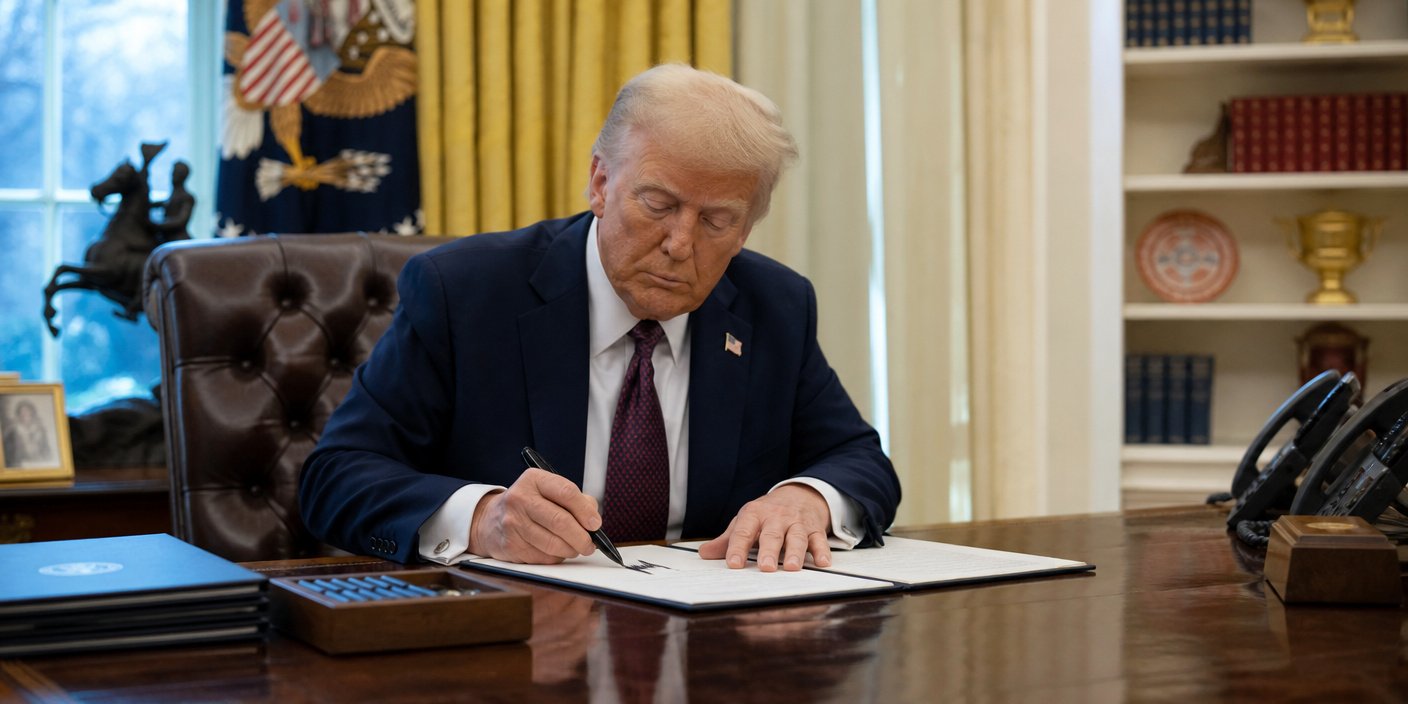
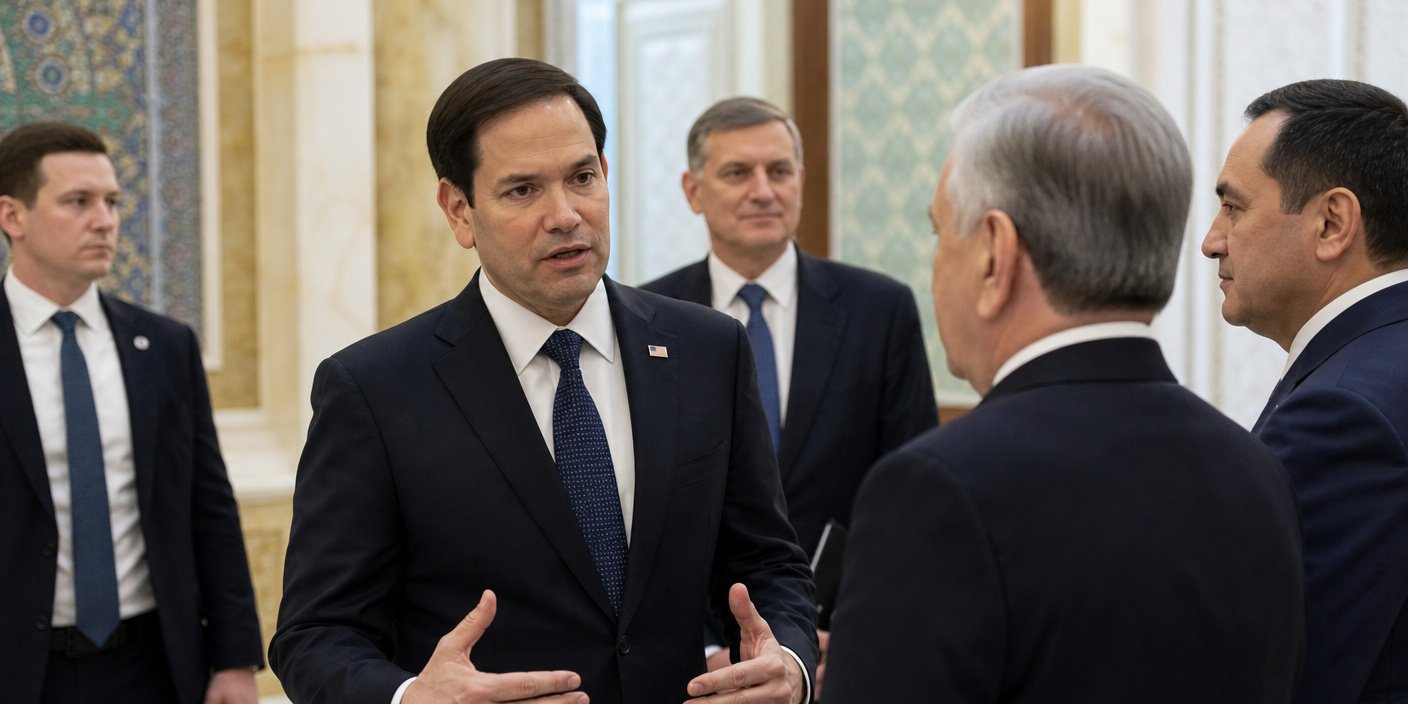
Washington D.C. — President Donald Trump has dramatically escalated trade tensions with Canada, announcing a substantial 35% tariff on all imports from the northern neighbor. The new tariff is set to take effect on August 1.
The announcement, conveyed in a letter addressed to Canadian Prime Minister Mark Carney, marks a significant new phase in the complex trade relationship between the two countries. It introduces a broad tariff distinct from previous, more narrowly focused measures.
Details of the New Tariff Regime
The core of President Trump’s action is the imposition of a blanket 35% tariff rate applicable to all goods imported into the United States from Canada. This measure is scheduled to become effective on August 1. The President’s communication regarding this tariff was formally made via a letter directed to Canadian Prime Minister Mark Carney, underscoring the high-level nature of the decision.



Significantly, the President included a stern warning regarding potential retaliation from Ottawa. He stated that should Canada implement retaliatory tariffs in response to the U.S. action, the amount of any Canadian increase would be added to the existing 35% U.S. tariff. This structure is designed to potentially amplify the economic pressure on Canada in the event of a reciprocal trade action.
Stated Rationale vs. Border Statistics
In justifying this sweeping tariff, President Trump claimed the measure is a response to the smuggling of fentanyl across the U.S.-Canada northern border. This assertion presents a specific security rationale for the trade action.
However, this stated reason contrasts sharply with recent U.S. statistics regarding fentanyl seizures. Data covering the period between 2022 and 2024 indicates that fentanyl seizures at the Canada-U.S. border accounted for a minimal fraction of the total seizures across the United States. Specifically, between 2022 and 2024, approximately 59 pounds of fentanyl were seized at the northern border. In stark comparison, nearly 62,000 pounds were seized at the U.S. southern border during the same timeframe. This disparity means that fentanyl seizures at the Canada-U.S. border represented less than 0.1% of total U.S. fentanyl seizures during this two-year period, raising questions about the extent to which northern border fentanyl smuggling serves as the primary driver for such a broad tariff.
Context Within Ongoing Trade Negotiations
This significant tariff action comes at a critical juncture in U.S.-Canada trade relations. The two nations have been engaged in ongoing negotiations aimed at finalizing a new trade agreement. These discussions had previously targeted July 21 as a deadline for reaching a new deal.
The introduction of a unilateral tariff of this magnitude complicates the already intricate negotiation process. It introduces a major new point of contention and potentially alters the dynamics of future talks. The action taken is separate from earlier sectoral tariffs that may have targeted specific industries or products, suggesting a broader strategic or tactical shift in the administration’s trade policy toward Canada.
Broader Implications
The imposition of a 35% tariff on all Canadian imports represents one of the most significant U.S. trade measures taken against Canada in recent history. Beyond the stated rationale, the move could have wide-ranging implications for supply chains, consumer costs, and the economic stability of businesses reliant on cross-border trade.
The warning regarding increased tariffs in response to Canadian retaliation also raises the specter of a rapidly escalating trade dispute. Such an escalation could disrupt deeply integrated North American markets and potentially impact the broader global trading system. As the August 1 effective date approaches, businesses and policymakers in both countries will be closely monitoring developments and assessing the potential economic fallout from this new, high-stakes tariff regime.