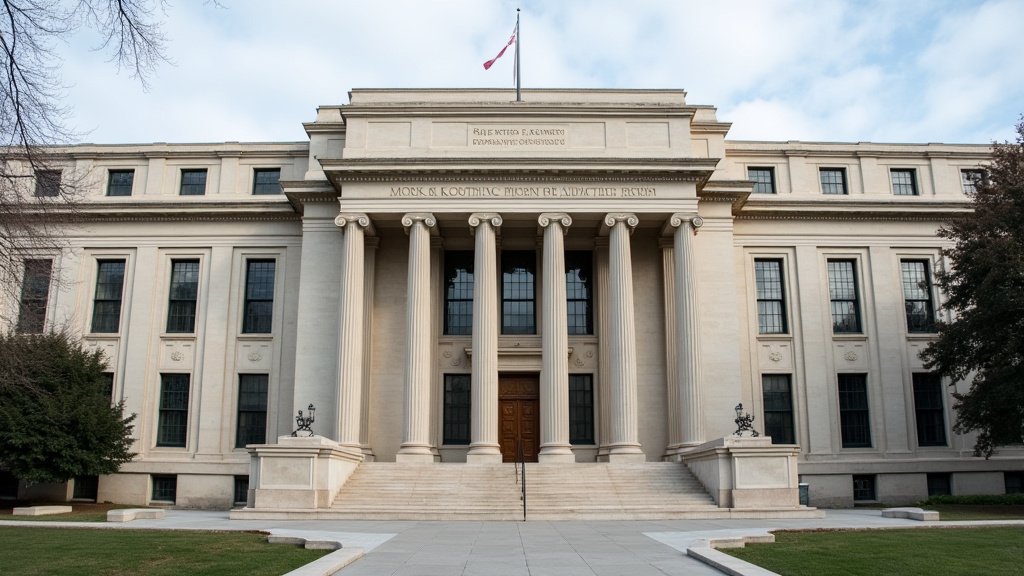
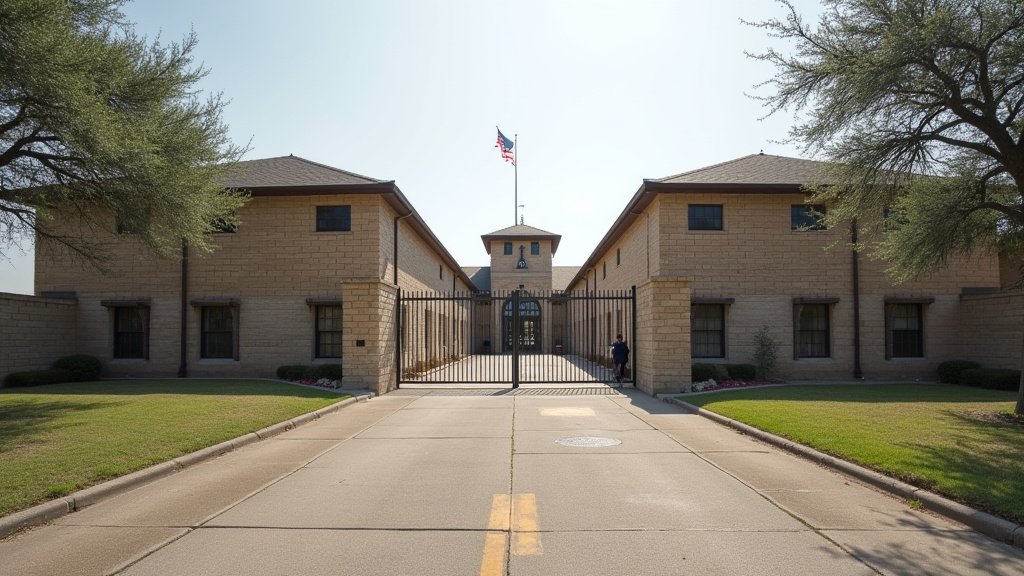
Amidst a backdrop of heightened tension and widespread demonstrations across Los Angeles, a significant incident unfolded at a federal building where U.S. Marines were providing security. Reports confirm that Marines detained a U.S. citizen who was in the process of entering the federal building. This event, occurring during a period of intense public protest, immediately drew attention, highlighting the complex dynamics at play when military personnel are deployed in support roles near civilian gatherings.
The detention of a civilian by military forces on U.S. soil, particularly within the context of domestic unrest, is an event that warrants careful examination. While the specific circumstances leading to this individual’s detention remain subject to official review, the incident underscores the critical role and potential challenges faced by military personnel tasked with securing federal assets during periods of civil disturbance. Occurring in Los Angeles, a major urban center that has frequently been a focal point for protests, this event adds another layer to the ongoing discourse surrounding public safety, civil liberties, and the boundaries of military involvement in domestic affairs.
Context of Protests in Los Angeles
Los Angeles, like many cities nationwide, had been experiencing a period of significant public protest. These demonstrations often centered on issues of civil rights, social justice, and grievances against various governmental actions or policies. The scale and intensity of these protests frequently led to increased security postures around key government facilities, including federal buildings.
The presence of demonstrators, sometimes numbering in the hundreds or thousands, created a dynamic and often unpredictable environment in the vicinity of government offices. While many protests were peaceful and orderly, the potential for unrest or attempts to access government property prompted enhanced security measures. It was within this charged atmosphere that U.S. Marines were reportedly assigned to assist in securing the federal building in question.
The protests themselves were a reflection of deep-seated societal concerns, providing a platform for citizens to voice dissent and advocate for change. Navigating the balance between ensuring the right to peaceful assembly and maintaining security for government personnel and infrastructure became a critical challenge for authorities, setting the stage for potential encounters between security forces and members of the public.
The Incident at the Federal Building
The detention occurred as the U.S. citizen was attempting to enter a federal building located within Los Angeles. The precise time of the incident coincided with ongoing protest activities in the area, suggesting a potential connection to the broader civil unrest, though the nature of that connection remains unconfirmed by official sources regarding this specific individual.
According to available information, U.S. Marines, present to reinforce security at the federal facility, were involved in the detention. Details regarding the individual’s identity, the specific federal building involved, or the immediate reason articulated for the detention have not been fully disclosed. However, the core fact remains: a U.S. citizen was taken into custody by military personnel while seeking entry to federal property during a period marked by public demonstrations.
The act of detention by military forces on U.S. soil, especially away from a declared combat zone, falls under strict legal guidelines. The presence of the Marines at the federal building was likely authorized under specific regulations concerning the protection of federal property, potentially in support of or alongside civilian law enforcement agencies, even if the initial detention was carried out by military personnel.
Role and Authority of U.S. Marines in Domestic Security


The involvement of U.S. Marines or other branches of the armed forces in domestic security operations is governed primarily by the Posse Comitatus Act of 1878. This federal law generally prohibits the use of the military for the purpose of executing domestic laws unless explicitly authorized by the Constitution or by act of Congress.
There are, however, exceptions and nuances to this act. Military personnel can be deployed domestically for specific purposes, such as disaster relief, responding to certain emergencies, or protecting federal property and infrastructure under specific statutory authority. In situations involving federal buildings, particularly during heightened security threats or civil disturbances, military support may be requested or mandated to supplement civilian security forces, such as Federal Protective Service (FPS) officers.
When military personnel are assigned to protect federal property, their authority typically extends to preventing unauthorized access and defending the facility. While they are not generally empowered to act as domestic law enforcement – meaning they cannot typically search, seize, or arrest civilians for violations of civilian law – they can detain individuals who pose an immediate threat to federal property or personnel, or who attempt unauthorized access, until civilian law enforcement can take custody.
In this Los Angeles incident, the presence of Marines suggests a determination by federal authorities that additional security was necessary for the building. Their detention of the U.S. citizen would likely be framed within their mandate to secure the premises and prevent unauthorized entry, with the expectation that the individual would be quickly transferred to civilian law enforcement for further processing or release.
Legal and Procedural Implications
The detention of a U.S. citizen by military personnel triggers important legal and procedural considerations. Under U.S. law, particularly the Fourth and Fifth Amendments to the Constitution, citizens have protections against unreasonable search and seizure and the right to due process.
When military personnel detain a civilian in a domestic context, the standard procedure is typically to hand that individual over to the appropriate civilian law enforcement agency as swiftly as possible. This could be the Federal Protective Service, which is responsible for securing federal buildings, or local law enforcement like the Los Angeles Police Department or the Los Angeles County Sheriff’s Department, depending on the nature of any potential civilian charges.
The legality of the detention itself would hinge on the specific circumstances at the moment of entry and the perceived threat or violation of federal regulations governing access to the building. The individual’s status as a U.S. citizen means they are entitled to the full range of constitutional rights, including the right to legal counsel and protection against prolonged detention without charge or transfer to civilian authorities.
Further legal scrutiny would likely focus on the justification for the detention, the duration of the military’s custody, and the subsequent handling of the individual by civilian authorities. Events like this highlight the delicate legal framework surrounding the intersection of military roles and civilian rights during domestic disturbances.
Broader Implications and Public Discourse
The incident in Los Angeles inevitably contributes to the broader public discourse regarding the use of military personnel in domestic security roles, particularly during protests. Critics often express concern that such deployments can lead to the militarization of the response to civilian dissent and potentially infringe upon constitutionally protected rights, such as the right to protest and freedom of assembly.
Advocates for the use of military support emphasize the necessity of protecting critical government infrastructure and personnel, especially when civilian law enforcement resources are stretched thin by widespread demonstrations. They argue that military personnel provide necessary capabilities and presence to deter potential threats and ensure the continuity of government operations.
Events like the detention in Los Angeles become case studies in this ongoing debate, raising questions about proportionality, training protocols for military personnel interacting with civilians, and the clear delineation of roles between military and civilian authorities in a domestic context. The transparency and official reporting surrounding such incidents are crucial for maintaining public trust and ensuring accountability.
Conclusion
The detention of a U.S. citizen by U.S. Marines at a federal building in Los Angeles amidst ongoing protests represents a salient example of the challenges inherent in securing government facilities during periods of civil unrest. While the core details provided indicate that a detention did occur as the citizen attempted to enter the building, the full context and outcome of the incident remain subject to further clarification from official sources.
This event underscores the significant responsibilities placed upon military personnel when tasked with protecting federal property domestically and highlights the important legal and civil liberties considerations that arise in such situations. As cities continue to grapple with protests and security needs, incidents like this serve as reminders of the complex balance required to uphold both public order and constitutional rights.