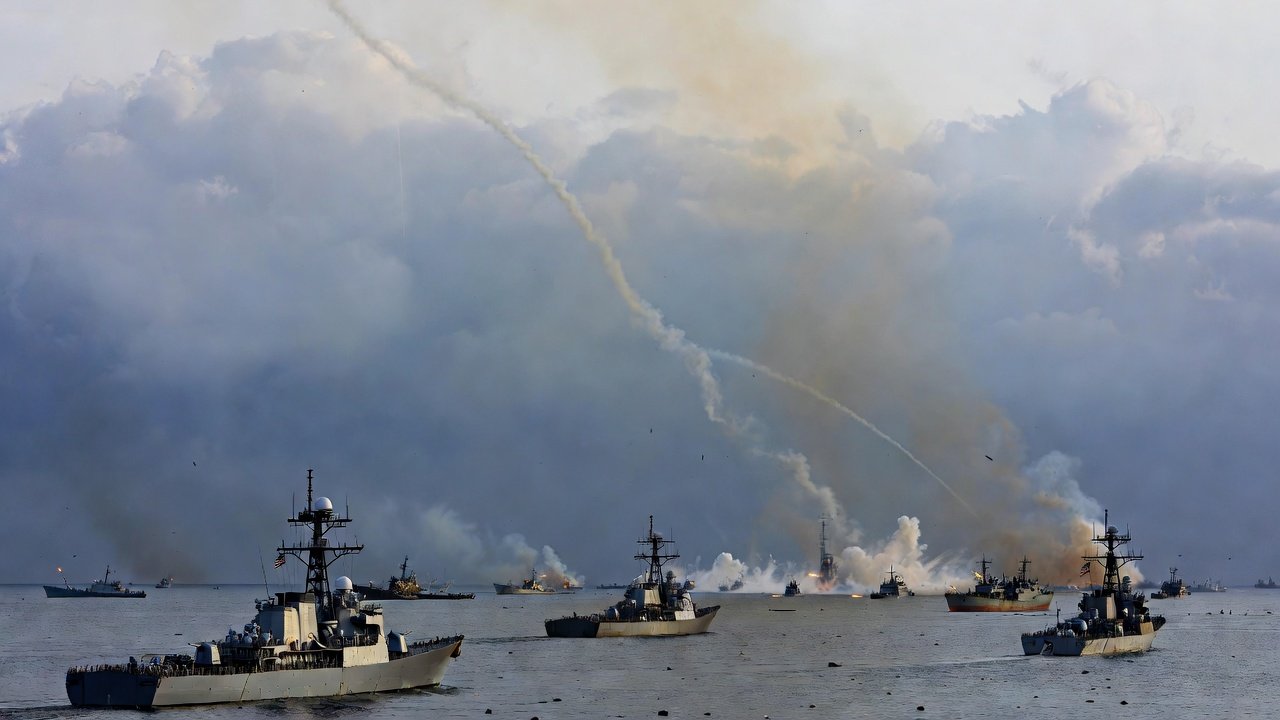
The United States launched significant US ISIS Strikes in Syria, hitting numerous Islamic State targets in direct response to a deadly ambush. This decisive action followed the deaths of two U.S. soldiers and their interpreter, who were killed in an attack that President Donald Trump vehemently condemned as the work of “murderous terrorists.” Defense Secretary Pete Hegseth confirmed the retaliatory mission, officially named “Operation Hawkeye Strike,” declaring it a mission of vengeance that targeted ISIS fighters, critical ISIS infrastructure, and weapons sites. These impactful US ISIS Strikes were a direct response to the December 13, 2025, attack near Palmyra. Sgt. William Howard and Sgt. Edgar Torres Tovar, both from the Iowa National Guard, and their interpreter Ayad Mansoor Sakat, along with three other wounded Iowa National Guard members, were victims of the ambush by a lone ISIS gunman. U.S. Central Command (CENTCOM) announced the commencement of these crucial US ISIS Strikes on December 19, 2025, at 4 p.m. ET. CENTCOM forces successfully struck over 70 targets at multiple locations across central Syria using fighter jets, attack helicopters, and artillery. The Jordanian Armed Forces also provided vital fighter aircraft support for the operation, which deployed over 100 precision munitions against known ISIS infrastructure and weapons sites. The Syrian government, under Interim President Ahmad al-Sharaa, voiced its support for the U.S. strikes, underscoring new alliances in the region. The news of these decisive US ISIS Strikes quickly became top world news.
Background of the Attack and US ISIS Strikes
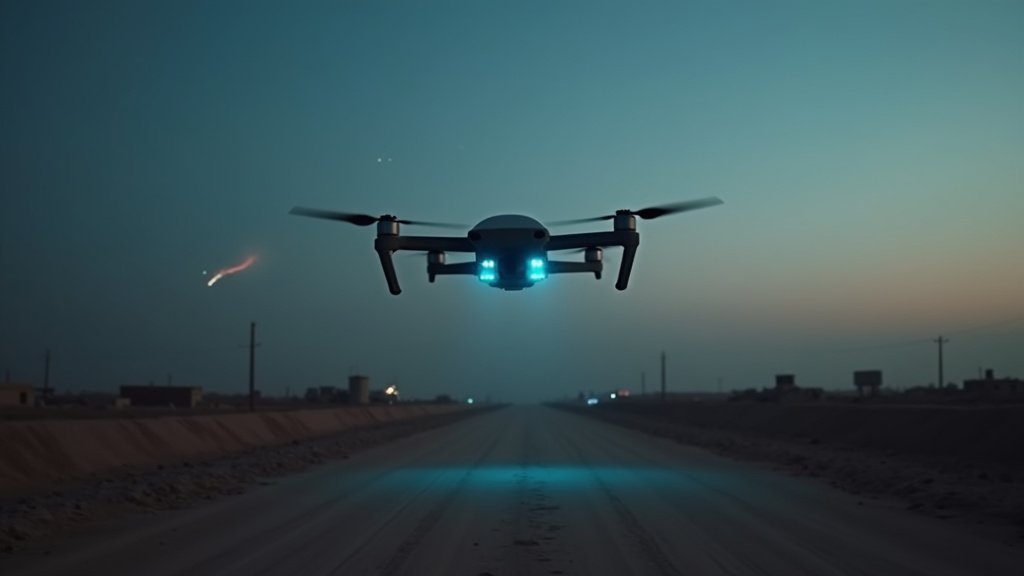
The U.S. maintains a presence of hundreds of troops in Syria dedicated to counter-ISIS operations. Although ISIS was largely defeated in 2019, the group’s sleeper cells remain active, with the United Nations estimating between 5,000 and 7,000 fighters operating across Syria and Iraq. The attack on December 13, which precipitated the significant US ISIS Strikes, occurred near Palmyra during a joint patrol involving U.S. soldiers and Syrian Internal Security Forces. A lone gunman opened fire; he was later identified as a member of Syrian security forces who was reportedly under investigation for extremist ideologies. While initial reports suggested direct ISIS affiliation, later clarifications indicated the attacker’s complex status, with the exact circumstances of his access and actions remaining under review, prompting the need for robust US ISIS Strikes.
The Retaliatory Strikes: Operation Hawkeye Strike
Operation Hawkeye Strike, a significant component of the broader US ISIS Strikes, was an extensive military operation. It involved multiple aircraft types, including U.S. F-15 Eagle jets, A-10 Thunderbolt IIs, and AH-64 Apache helicopters. F-16 fighter jets from Jordan also joined the effort, alongside deployed rocket artillery. U.S. Central Command described the action as a “massive strike” with a clear retaliatory nature, highlighting the intensity of the US ISIS Strikes. Video footage captured coordinated operations with visible explosions across central Syria. Syrian state media reported that targets included areas in Raqqa and Deir ez-Zor provinces, as well as the Jabal al-Amour area near Palmyra, all known ISIS strongholds. These targeted US ISIS Strikes aimed to eliminate immediate ISIS threats and prevent future attacks.
International Cooperation and Reactions to US ISIS Strikes
Jordan officially confirmed its participation in the recent US ISIS Strikes, stating that the Royal Jordanian Air Force conducted precision strikes to prevent extremist groups from utilizing these areas, which could threaten regional security. Jordan is an active member of a 90-country coalition, recently joined by Syria. The Syrian foreign affairs authority reiterated its commitment to fighting ISIS and vowed to deny the group safe havens, inviting the U.S. and coalition forces to intensify efforts to protect civilians and restore stability. U.S. officials lauded the operation’s success, with White House spokesperson Anna Kelly affirming President Trump’s promise of serious retaliation and avenging fallen Americans. Defense Secretary Hegseth echoed this sentiment, calling it a “declaration of vengeance” and vowing to hunt and eliminate enemies, underscoring the resolve behind these US ISIS Strikes.
Broader Context and Implications of US ISIS Strikes
The US ISIS Strikes are part of an ongoing U.S. military presence in Syria focused on counter-ISIS operations, involving fewer than 1,000 U.S. troops working with local partners. Key bases are located in the al-Tanf region and northeastern Syria, with deployments aimed at preventing ISIS resurgence and supporting regional stability. These impactful US ISIS Strikes follow a series of previous operations; since the December 13 attack, U.S. and partner forces have conducted 10 operations resulting in 23 terrorist deaths or detentions, building on over 80 counterterrorism operations in the preceding six months. These actions directly target threats and protect U.S. and regional security, underscoring the persistent ISIS threat. Despite being territorially defeated, the group continues to recruit online and exploit regional conflicts. The swift retaliation through these US ISIS Strikes projects U.S. strength, reinforces its commitment to allies, and signals unwavering resolve against terrorism, making this a significant event in world news. The U.S. defense budget prioritizes security, with Middle East partnerships being crucial. Defense spending in the region is substantial, driven by geopolitical risks and investor opportunities in the security sector. The region’s stability is intrinsically linked to infrastructure development. The U.S. strategy in Syria also aims to counter Iranian influence and stabilize the country post-Assad, while the Syrian interim government faces challenges consolidating control over various factions. U.S. oversight provides essential military support in this complex landscape, impacting global security and influencing the narrative around US ISIS Strikes.
Future Outlook for US ISIS Strikes
Operation Hawkeye Strike serves as a clear demonstration of U.S. resolve against ISIS strongholds, signifying that the fight against terrorism requires ongoing vigilance and vital international cooperation. The U.S. remains committed to achieving lasting security by working with global partners. The threat posed by ISIS persists, but U.S. forces will continue to pursue terrorists and protect American interests. This event marks a critical moment, showcasing decisive action that reassures allies and deters adversaries. The world closely watches these developments, reflected in the top news cycles. The future of regional stability is paramount, and U.S. strategy continues to adapt to evolving threats, with the mission in Syria remaining focused on preventing resurgence and disrupting terrorist networks. The global reaction to these US ISIS Strikes and their ongoing analysis by top experts highlights their impact on world events and global affairs. The continuous news cycle covers these developments extensively, with top news outlets reporting on the events and their implications, making the analysis of these US ISIS Strikes a focal point of global attention.