As diplomatic channels show signs of progress, reports emerge that Donald Trump is considering a controversial plan to seize an Iranian island, rattling regional stability. This potential shift in strategy comes at a precarious time, with international observers carefully watching whether renewed talks could lead to a breakthrough or if a more aggressive posture will derail current efforts. The prospect of such a maneuver has immediately prompted concern among regional stakeholders and analysts who argue that seizing territory would represent a massive escalation, directly contradicting the optics of ongoing, tentative diplomatic movements.
- Reports indicate that Donald Trump has privately discussed the potential of seizing an Iranian island to exert leverage.
- This strategy is being discussed simultaneously with ongoing efforts to move diplomatic talks forward.
- Analysts warn that such a move could permanently collapse fragile negotiations with Tehran.
- Regional geopolitical volatility remains elevated as world leaders weigh the risks of aggressive territorial posturing.
The Deep Dive
Geopolitical Volatility and Strategic Posturing


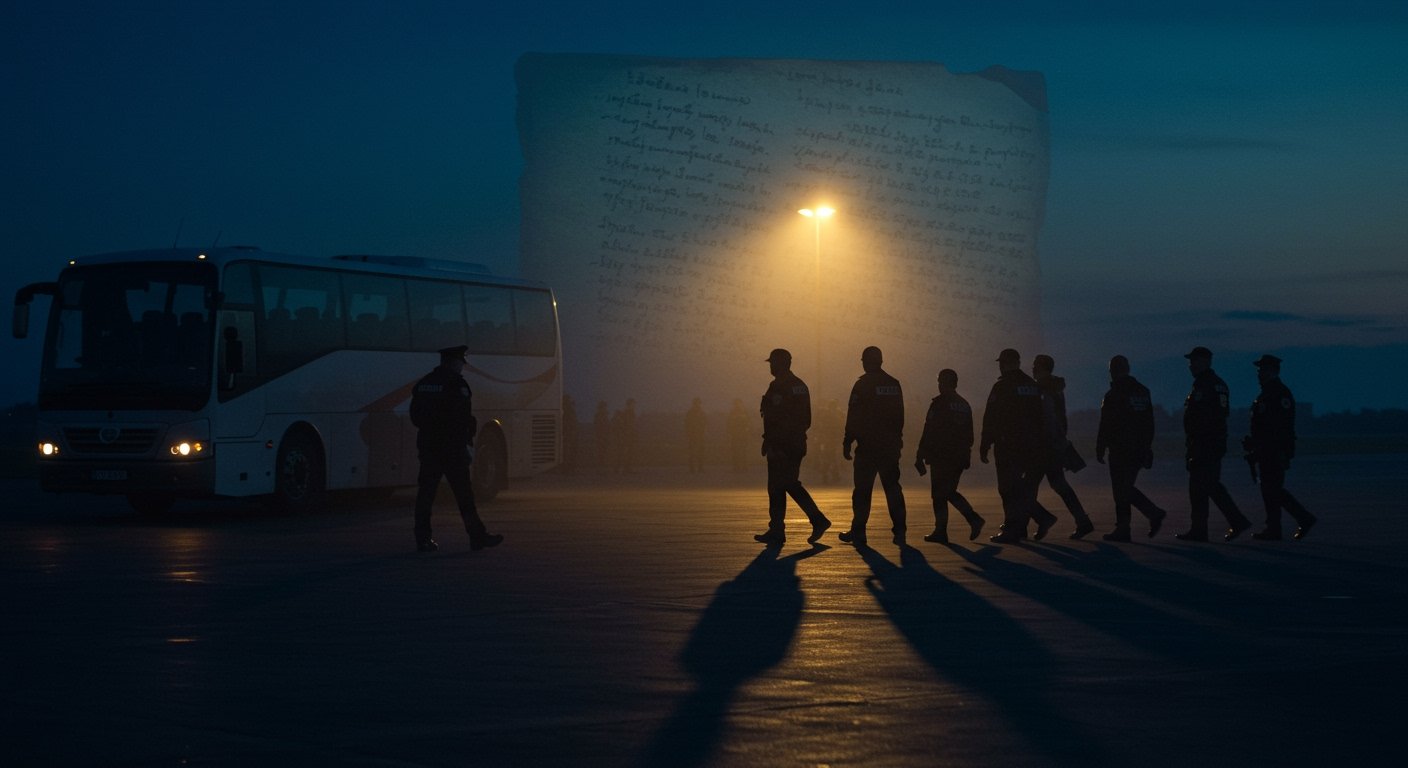
The report of Donald Trump mulling the seizure of an Iranian island adds a layer of intense complexity to an already strained relationship. In the realm of international relations, territory is the ultimate currency of sovereignty, and the suggestion of annexing or occupying an island in Iranian waters is widely viewed by experts as a ‘red line’ that would likely lead to immediate, asymmetric conflict. The paradox here is the timing. While diplomatic envoys have been working behind the scenes—some reports suggesting significant progress in back-channel communications—the threat of a territorial seizure acts as a counter-weight, potentially intended to force Tehran’s hand or to satisfy a domestic demand for a more muscular foreign policy stance.
Historical precedents for such actions in the modern era are rare, largely because the cost of maintaining territorial gains in hostile waters often outweighs the strategic utility. Yet, the Trump administration’s approach has consistently favored unconventional, high-pressure tactics. By placing the threat of island seizure on the table, the administration may be attempting to create a ‘maximum pressure’ environment, where the alternative to the current negotiations is portrayed as direct military confrontation. However, the risk is that this move alienates regional partners who prioritize stability over the shifting power dynamics of the Persian Gulf.
The Fragility of Current Diplomatic Channels
Diplomatic efforts, which have historically been slow and fraught with distrust, are currently operating on a knife’s edge. If the reports regarding the island seizure are accurate, they undermine the credibility of the diplomatic envoys currently at the negotiating table. If Tehran perceives that the very power they are negotiating with is simultaneously plotting to strip them of sovereign land, the logical conclusion from their perspective would be to abandon the talks entirely.
Furthermore, this dynamic exposes a recurring tension in American foreign policy: the struggle between seeking a negotiated settlement and the temptation to achieve immediate, coercive results. For proponents of the move, the island could serve as a vital strategic asset in the Strait of Hormuz, providing an unmatched vantage point for monitoring maritime traffic and projecting power. For critics, the move would be an act of war, serving to unify the Iranian government and potentially escalating the conflict to a scale that consumes more resources than it saves.
Regional Repercussions and International Law
The international community, particularly the United Nations and other regional powers, would be hard-pressed to ignore such an action. Beyond the immediate bilateral conflict, a seizure would challenge the foundational principles of international maritime law and territorial integrity. Should this become a reality, the geopolitical fallout would not be contained to the Middle East. It would force global superpowers, including China and Russia, to re-evaluate their own stances on territorial sovereignty, potentially leading to a cascading effect of reactive policies across global hot spots.
Moreover, the economic impact—specifically concerning global oil supply chains—cannot be overstated. The Strait of Hormuz is the world’s most important oil chokepoint. Any military escalation or occupation of an island in this region would likely lead to immediate spikes in energy prices, causing global markets to react with extreme volatility. As the narrative unfolds, the primary concern remains: can a balance be struck between the tactical advantages sought by Washington and the necessity of preventing a wider, more destructive war?