WASHINGTON D.C. – The economic relationship between the United States and India soured dramatically as top officials from the Trump administration launched a vocal offensive against New Delhi, imposing steep tariffs and leveling accusations ranging from economic arrogance to enabling Russia’s war efforts. The aggressive stance, spearheaded by key trade advisors, marked a significant escalation in a long-simmering trade dispute, creating deep uncertainty about the future of one of America’s most important strategic partnerships.
At the heart of the conflict were Washington’s demands that India cease its substantial purchases of discounted Russian oil and open its markets more widely to American goods, particularly in agriculture and dairy sectors. India, citing energy security and its policy of strategic autonomy, resisted these demands, leading to a retaliatory imposition of a staggering 50% tariff on most Indian exports to the U.S., a punitive measure described by analysts as among the highest levied against any trading partner.
Tariffs Escalate Amid Unyielding Stance
The punitive tariffs, which took full effect in August 2025, represented a doubling of existing duties, with an additional 25% penalty specifically aimed at punishing India for its continued trade with Russia. This move, announced by President Donald Trump, was accompanied by a barrage of critical statements from his economic and trade advisors, who sought to frame India’s policies as detrimental to American interests and global stability.
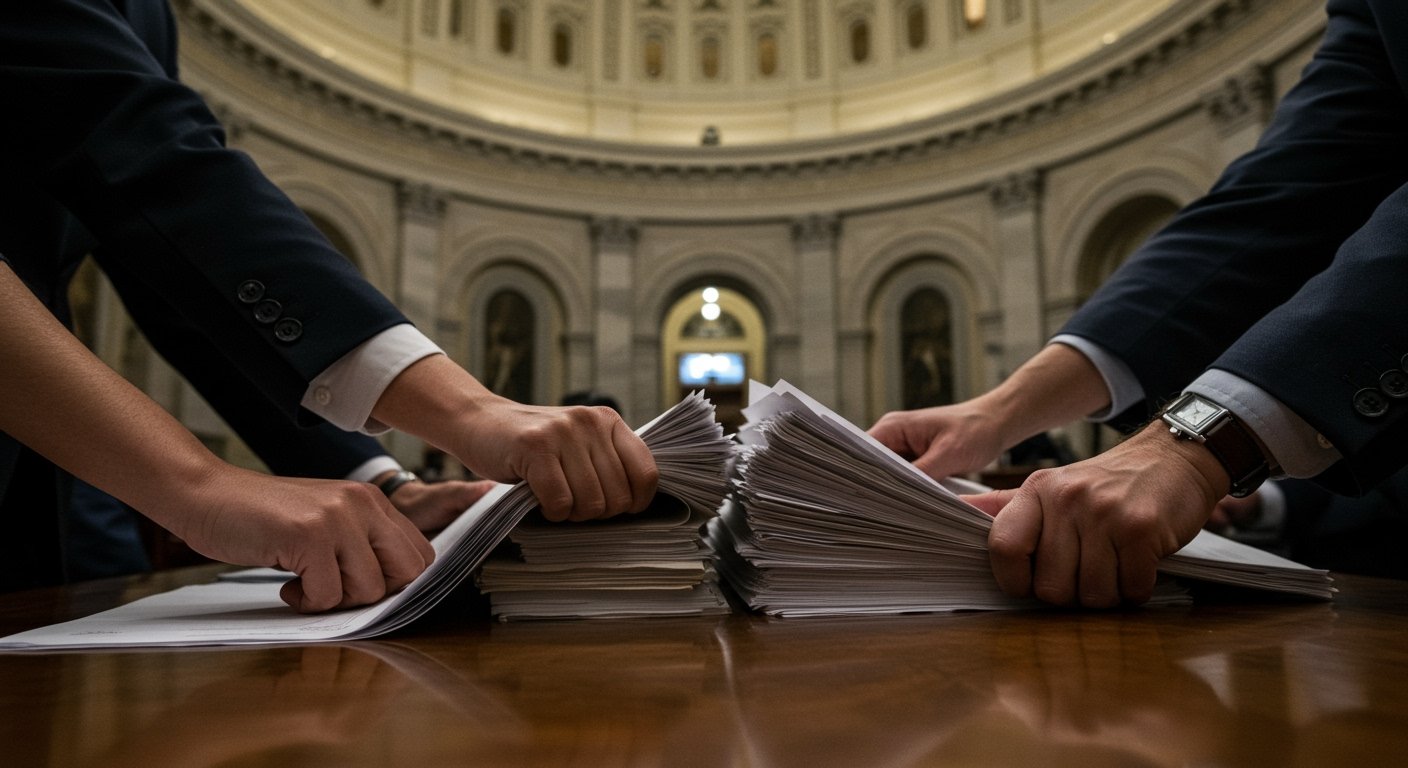

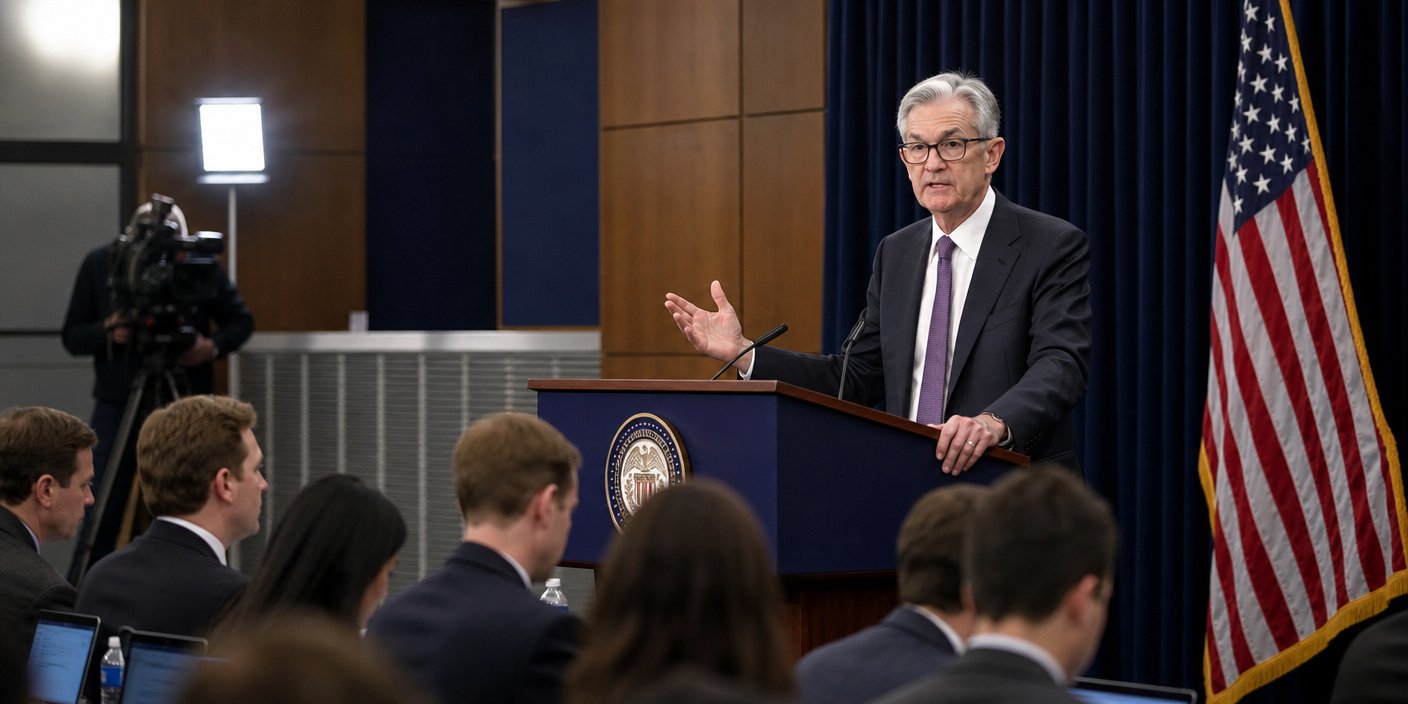
Kevin Hassett, Director of the National Economic Council, characterized the trade negotiations as “complicated” and criticized India’s perceived “intransigence” in opening its markets to American products. He warned that if India did not concede to U.S. demands, President Trump would not budge either. His sentiments were echoed by Treasury Secretary Scott Bessent, who noted that India had been “tapping us along” in the trade talks, suggesting a lack of genuine engagement from New Delhi. Bessent also pointed to the complex nature of the relationship and India’s profiteering from Russian oil imports as key issues.
Navarro’s Inflammatory Rhetoric Dominates
Perhaps the most striking and inflammatory commentary came from Peter Navarro, then White House Senior Counselor for Trade and Manufacturing. Navarro did not shy away from aggressive language, accusing India of essentially bankrolling Russia’s “war machine” through its oil imports. He controversially dubbed the Ukraine conflict as “Modi’s war,” asserting that “the road to peace” ran through New Delhi. In a series of public remarks and social media posts, Navarro further accused India of being an “oil money laundromat for the Kremlin” and engaging in “strategic freeloading” by demanding military technology from U.S. firms while continuing to purchase Russian weaponry.
Navarro’s accusations highlighted a key geopolitical dimension of the trade dispute, linking India’s economic decisions directly to U.S. efforts to isolate Russia following its invasion of Ukraine. He claimed that India’s actions were costing American consumers, businesses, and workers, and that U.S. taxpayers were ultimately funding India’s perceived support for Russia’s actions.
India’s Firm Rebuff and Strategic Autonomy
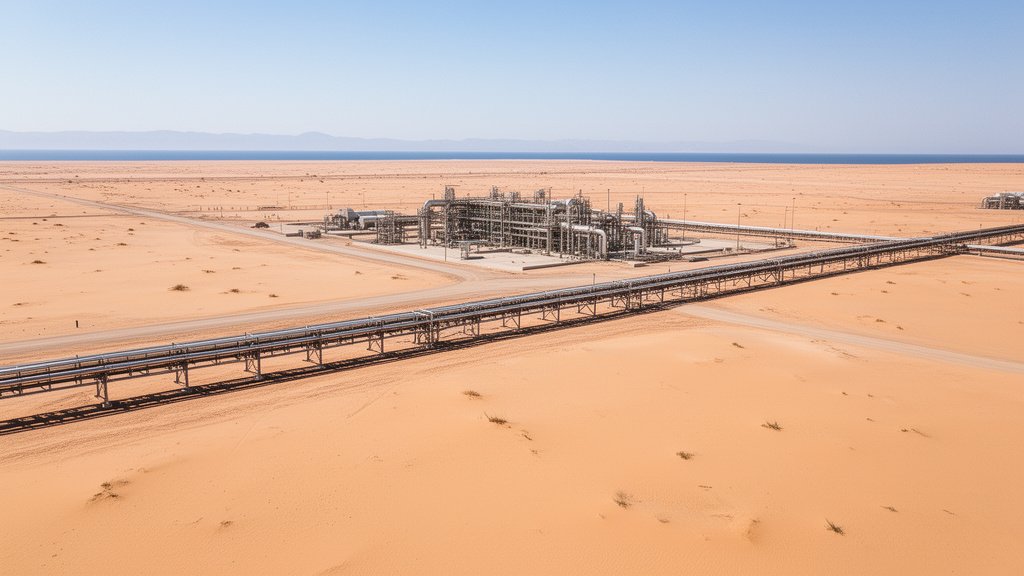
New Delhi, however, firmly rejected the American criticisms and the punitive tariffs. Indian officials defended the nation’s energy procurement policies as essential for its vast population’s energy security needs. They pointed out that India’s oil imports from Russia constituted a smaller percentage of Moscow’s total energy exports compared to those of other major economies like China and European nations, which had not faced similar U.S. penalties. India also highlighted that it had developed systems for trade settlement in national currencies, mitigating the need to use U.S. dollars for Russian oil purchases.
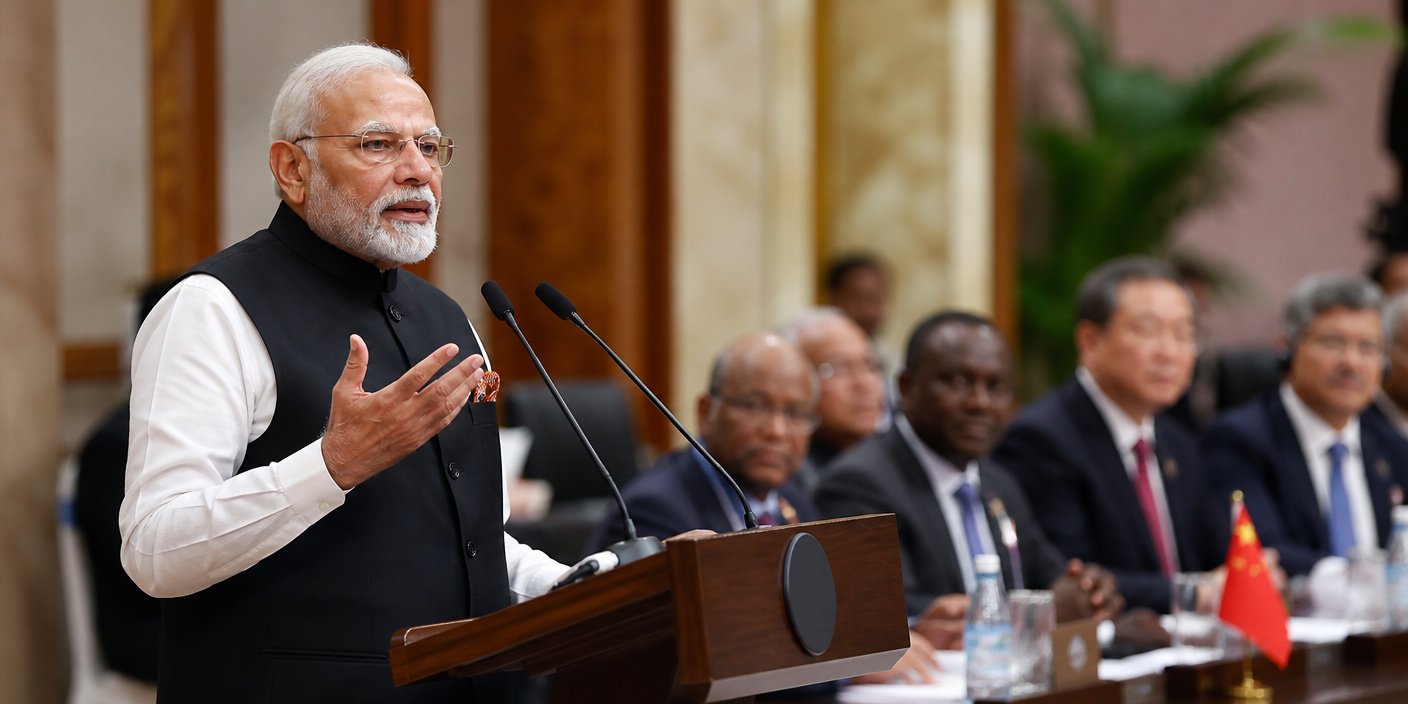
Prime Minister Narendra Modi signaled India’s unwavering resolve, emphasizing the country’s commitment to protecting its national interests and the livelihoods of its farmers. He spoke of India’s ability to “pay a very heavy price to protect its interests” and urged a spirit of “Swadeshi” or domestic self-reliance. This stance underscored India’s long-held policy of strategic autonomy, refusing to be dictated by external pressures on its foreign policy and economic choices.
Geopolitical Chess and Economic Repercussions
The Trump administration’s actions were widely seen as an extension of its “America First” agenda, using trade as a geopolitical lever to compel loyalty and alignment with U.S. foreign policy objectives. While the U.S. sought to pressure Russia, its broad-stroke tariffs on India risked alienating a key strategic partner. Critics, including some Democrats, argued that the policy was inconsistent, singling out India while largely exempting China, the largest importer of Russian energy.
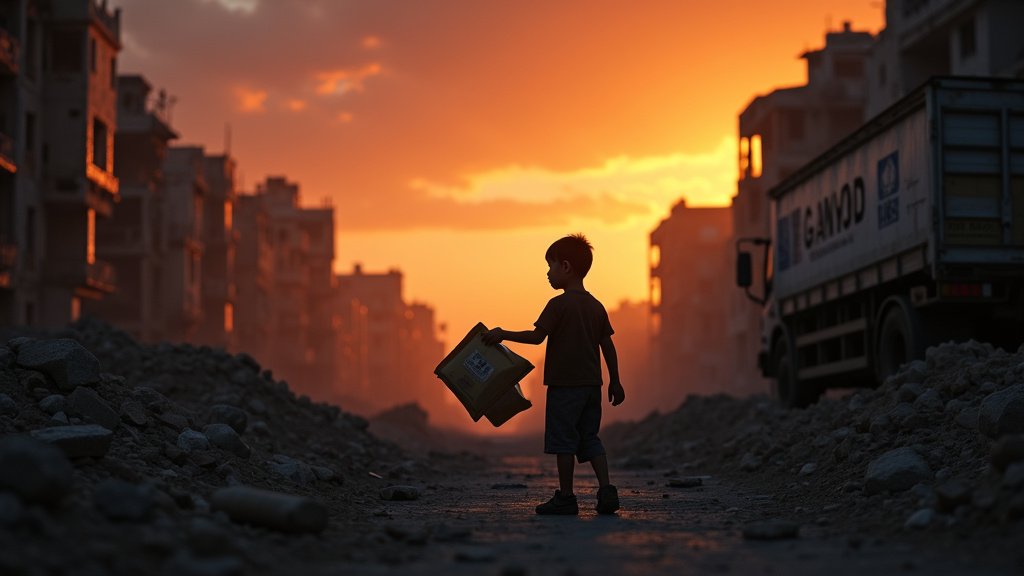
The economic implications for India were significant, with projections suggesting that the 50% tariffs could severely impact up to 70% of India’s exports to the U.S., affecting labor-intensive sectors like textiles, gems, jewelry, and furniture. The potential for reduced export volumes and job losses led India to explore countermeasures, including accelerating policy reforms, seeking new trade partners, and diversifying its export markets. Countries like China and Vietnam were seen as potential beneficiaries, poised to capture market share lost by Indian exporters.
The broader story of this trade clash reflects a challenging phase in U.S.-India relations under the Trump presidency, marked by a transactional approach that often overshadowed the deeper strategic convergence built over decades. While both sides expressed a desire to eventually resolve differences, the sharp rhetoric and substantial tariffs left a significant strain on bilateral ties, raising questions about the durability of their partnership amidst shifting global dynamics.