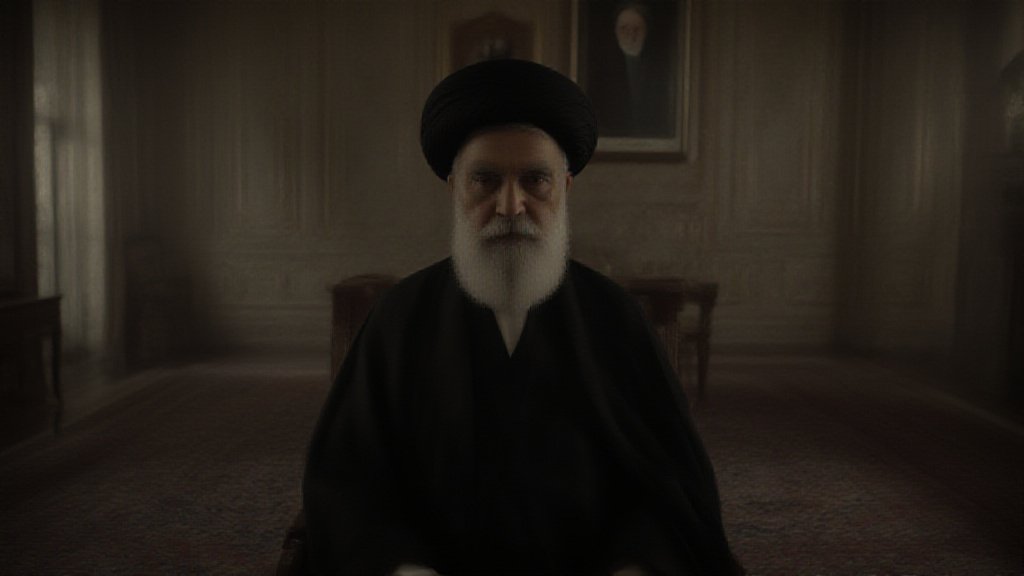
President Donald Trump announced a significant military action, a crucial Nigeria ISIS Strike, on Christmas evening, December 25, 2025. The United States struck Islamic State targets in northwest Nigeria, with Trump calling the strike “powerful and deadly.” He directed this action as Commander in Chief against “ISIS Terrorist Scum,” militants who have been viciously killing Christians. Trump accused Nigeria of failing to stop this escalating persecution.
US Military Confirms Nigeria ISIS Strike
U.S. Africa Command (AFRICOM) confirmed the operation, which took place in Sokoto state. AFRICOM stated multiple ISIS terrorists were killed in the Nigeria ISIS Strike. The operation was a joint effort, carried out in coordination with Nigerian authorities who approved the strikes. Defense Secretary Pete Hegseth noted the support and cooperation, stating the U.S. military was “always ready.”
Trump’s Ultimatum and Warnings Regarding Nigeria Security Crisis
President Trump issued clear warnings beforehand, having previously told terrorists to stop slaughtering Christians. “There would be hell to pay,” he stated. The Christmas night strike fulfilled this warning. Trump vowed, “Our Country will not allow Radical Islamic Terrorism to prosper.” He extended Christmas wishes to all, “including the dead Terrorists.” More strikes would follow if the violence continued, underscoring the severity of the Nigeria ISIS Strike.
Context of Violence in Nigeria and Christian Persecution


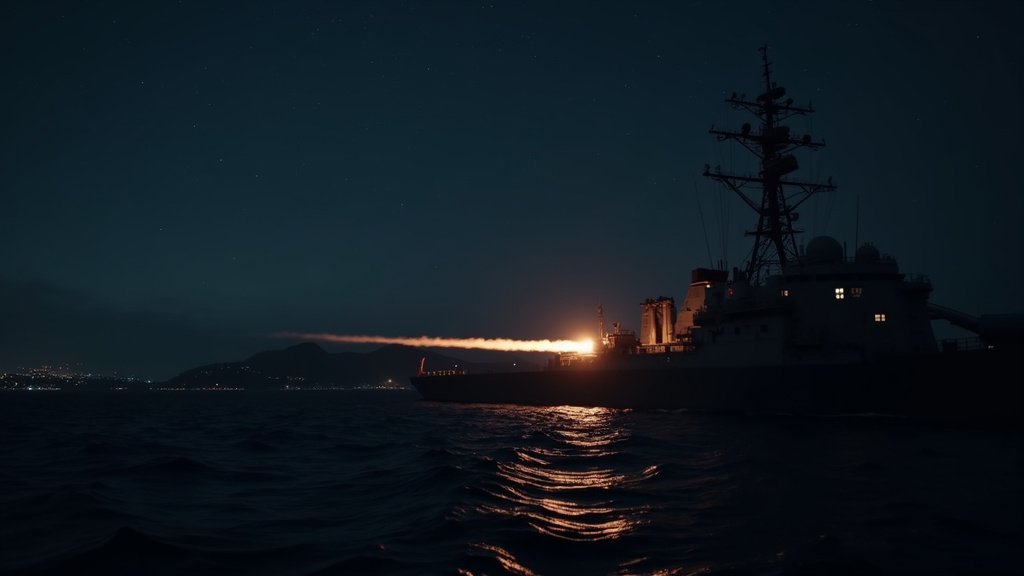

Nigeria faces a complex security crisis with violent extremist groups like ISIS-Sahel Province (ISWAP) and Boko Haram operating there. Heavily armed criminal gangs, known as “bandits,” also cause havoc, targeting both Christians and Muslims. However, Christian communities report specific and severe targeting, with thousands of Christians killed and many abducted. This ongoing violence highlights the critical need for a decisive Nigeria ISIS Strike.
Religious Freedom Concerns Amidst Nigeria ISIS Strike
The U.S. has focused on religious freedom in Nigeria, with President Trump previously designating it a “country of particular concern” due to severe religious freedom violations. The State Department also announced visa restrictions for those involved in violence against Christians. This American stance, particularly the recent Nigeria ISIS Strike, draws attention globally to the fight for religious freedom.
Nigerian Government’s Position on Counterterrorism Nigeria
Nigeria’s government acknowledged the U.S. cooperation, stating the strikes targeted “terrorist targets.” The Ministry of Foreign Affairs emphasized shared security commitments, framing the issue broadly as “Terrorist violence in any form… remains an affront to Nigeria’s values.” The government argues violence affects all faiths and attributes attacks to various factors, including resource competition and banditry. President Bola Tinubu previously stated Nigeria is not religiously intolerant, calling religious freedom a “core tenet.” Despite this, the recent Nigeria ISIS Strike signals a U.S. direct intervention.
Complex Motivations Behind Violence and the Nigeria ISIS Strike Context
Analysts describe Nigeria’s violence as multifaceted, stemming from religious extremism, farmer-herder clashes, disputes over land and water resources, and communal and ethnic rivalries. Some groups seek self-determination. The Nigerian government struggles to control pervasive insecurity, making decisive actions like the Nigeria ISIS Strike crucial for stability.
U.S. Policy and Broader Implications of the Nigeria ISIS Strike
This American intervention highlights a tough stance, following weeks of criticism from Trump about the plight of Christians. The U.S. security footprint in Africa has diminished recently, making this strike a significant U.S. military action and underscoring a commitment to counterterrorism Nigeria efforts. The top American priority remains eliminating threats, and the Nigeria ISIS Strike marks a key development in this ongoing narrative.
Military Coordination and Cooperation in Counterterrorism Nigeria
U.S. Africa Command works closely with African partners to counter threats and strengthen security forces. This operation in Nigeria involved critical intelligence sharing and strategic coordination for the Nigeria ISIS Strike. The strikes targeted ISIS camps with the ultimate goal of protecting American interests and promoting stability.
Ongoing Security Challenges and the Impact of the Nigeria ISIS Strike
The situation in Nigeria remains volatile, with thousands displaced by violence and escalating humanitarian needs. Villages lie empty in affected regions as Fulani militants seize farmland. The government’s struggle to protect its people erodes trust and creates a climate of fear. The fight against extremist groups is ongoing, and the impact of the recent Nigeria ISIS Strike will be closely watched.
Future Outlook Following the Nigeria ISIS Strike
President Trump vowed more action if needed, emphasizing the U.S. commitment to religious freedom. This strike represents a new chapter, signaling a strong U.S. response to perceived atrocities. The long-term impact of the Nigeria ISIS Strike on regional security and counterterrorism Nigeria efforts is yet to unfold.