Washington D.C. – The new Asylum Freeze Policy, announced by President Donald Trump, represents a significant pause on asylum decisions following a deadly shooting incident. An Afghan national allegedly shot two National Guard members, tragically killing one. President Trump stated the freeze would last for ‘a long time,’ offering no specific end date. This marks a major shift in immigration policy, directly linking security concerns to asylum processing. The Department of Homeland Security (DHS) is involved, tying the pause to existing travel restrictions affecting 19 countries. The incident occurred on November 26, 2025, sending shockwaves through the nation’s capital and sparking immediate debate about the Asylum Freeze Policy.
The Fatal Shooting Incident
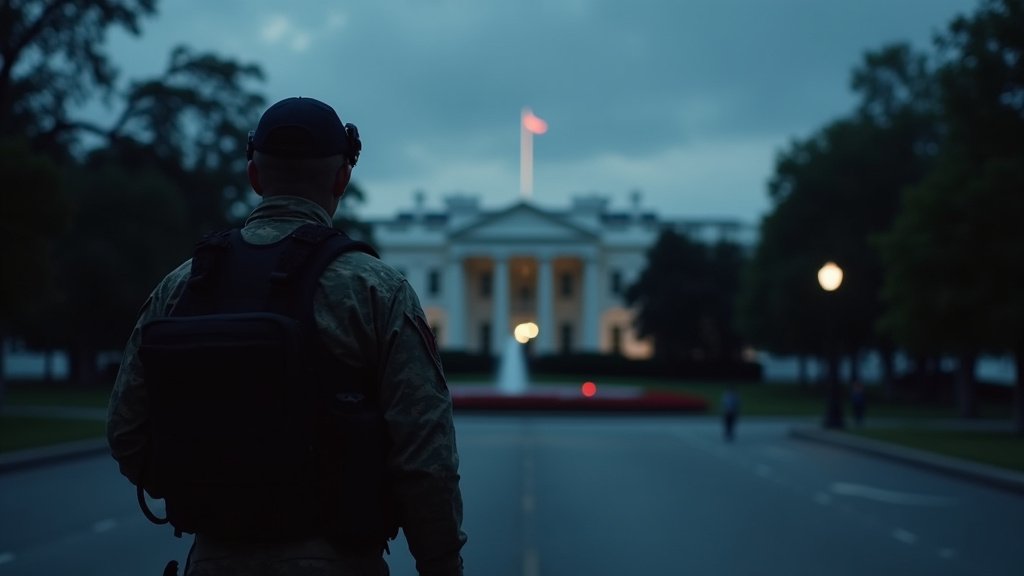
Two West Virginia National Guard members were on patrol near the White House when a gunman suddenly opened fire, attacking them in an ambush. Army Specialist Sarah Beckstrom, only 20 years old, was killed, and Air Force Staff Sgt. Andrew Wolfe was critically wounded. President Trump confirmed Beckstrom’s death during a Thanksgiving call to service members. U.S. Attorney Jeanine Pirro called it a targeted attack. Nearby guards subdued the shooter, who was also injured and taken into custody.
Suspect Identified: Rahmanullah Lakanwal



Authorities identified the alleged shooter as Rahmanullah Lakanwal, a 29-year-old Afghan national. Lakanwal entered the United States in September 2021 under the Operation Allies Welcome program, which resettled Afghans after the U.S. withdrawal. Sources indicate Lakanwal worked with CIA-backed forces in Afghanistan, fighting against the Taliban. He had been living in Bellingham, Washington, and reportedly drove across the country to commit the attack, raising questions about the vetting process under the Asylum Freeze Policy.
Trump’s Response: A Significant Policy Shift
President Trump reacted swiftly to the shooting, calling it a crime against the nation and vowing to re-examine Afghan refugee vetting before announcing the Asylum Freeze Policy. “We don’t want those people,” Trump stated, adding, “Many have been no good.” He expressed no timeline for lifting the pause, indicating it would persist for “a long time.” This decision affects thousands of US asylum claims and raises serious questions about US immigration policy, signaling a hardening stance against migrants and a more restrictive approach to the asylum process. The implementation of this Asylum Freeze Policy underscores Trump immigration stance.
Vetting Controversy Emerges Amidst Asylum Freeze Policy
The Trump administration blamed previous vetting failures, pointing to the Biden administration and claiming lax vetting allowed Lakanwal into the U.S. FBI Director Kash Patel stated the Biden administration did “absolutely zero vetting.” However, other reports contradict this, noting Lakanwal had worked with the CIA, which likely involved initial vetting. He also applied for asylum in 2024 and was granted asylum in April 2025 under the Trump administration, raising questions about the thoroughness of vetting and the rationale behind the current Asylum Freeze Policy. The government file stated he was vetted due to his work with U.S. partners, and no disqualifying information was found then.
Link to Travel Restrictions and Asylum Freeze Policy
The asylum pause is directly linked to existing travel bans. The Department of Homeland Security pointed to 19 countries already facing U.S. travel restrictions, including Afghanistan, Cuba, Haiti, Iran, and Myanmar. These restrictions were implemented in June 2025. President Trump planned to “permanently pause migration from all Third World Countries.” The DHS identified the current list of 19 countries, a move that further restricts entry from these nations and effectively blocks many asylum claims under the new Asylum Freeze Policy.
Broader Immigration Context and Asylum Freeze Policy
This event is part of a larger immigration strategy. President Trump has consistently prioritized border security and often criticized existing asylum laws. Earlier in 2025, his administration expanded travel bans targeting nationals from 19 specific countries and paused immigration applications for some parolees, citing fraud and security concerns. The current Asylum Freeze Policy amplifies these efforts, aiming to drastically reduce illegal and legal immigration by enhancing screening and vetting. Officials stated the safety of Americans is paramount, further justifying the strict immigration policy shift.
Impact and Concerns Regarding the Asylum Freeze Policy
The pause on asylum decisions under the Asylum Freeze Policy has significant implications for individuals seeking refuge. Critics worry about the humanitarian cost and question the administration’s motives, suggesting the shooting was a pretext to justify pre-planned policies. Refugee advocacy groups condemned the action, noting the rigorous vetting refugees already undergo and highlighting the long backlogs in asylum cases. This new policy adds further delays and uncertainty, potentially reshaping American immigration policy for years to come.
Looking Ahead: The Future of Asylum Under the Freeze
The extended freeze on asylum decisions, a key component of the new immigration policy shift, signals a tough stance. President Trump emphasized national security, directly linking it to immigration controls. The shooting of the National Guard members served as a catalyst, amplifying calls for stricter measures. The administration’s focus is clear: prioritizing enhanced vetting and limiting arrivals from certain countries. The future of asylum processing remains uncertain, with the duration of this “long time” pause unknown, reflecting a significant and potentially lasting change to US asylum claims.