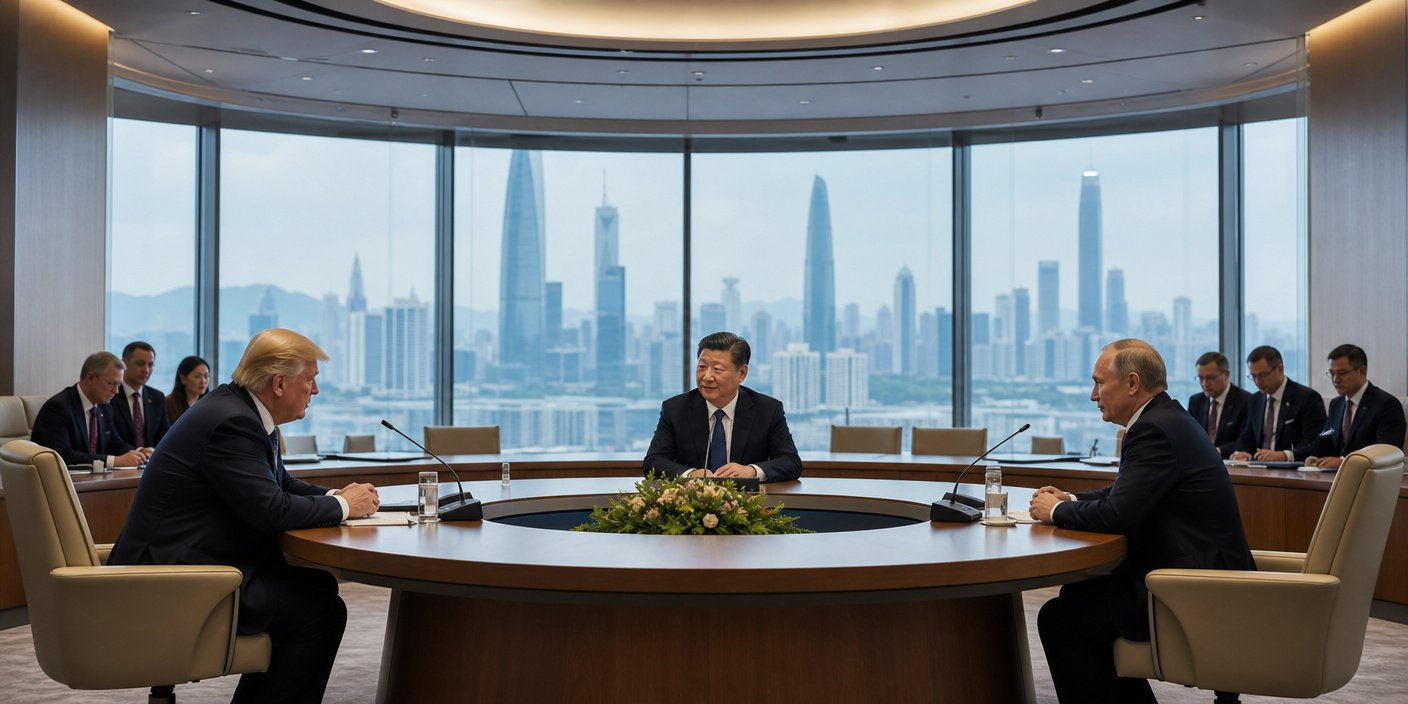
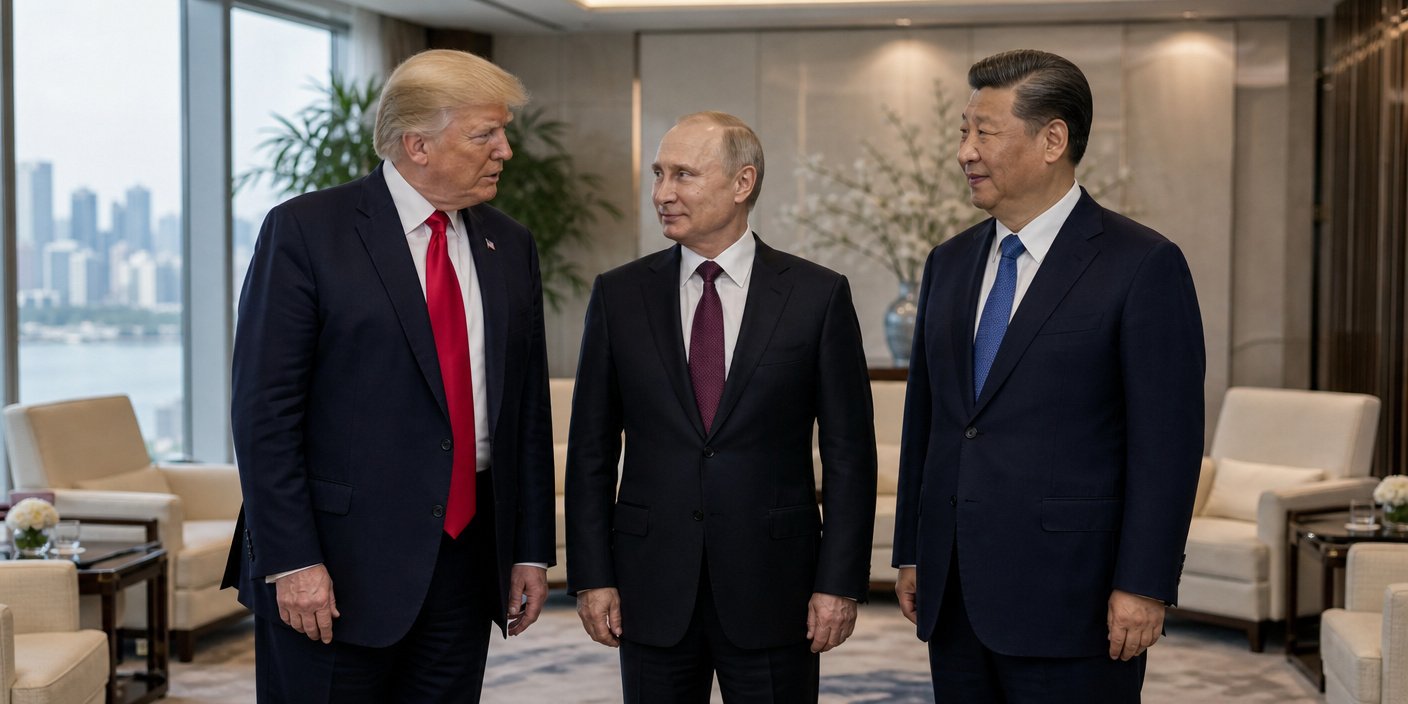
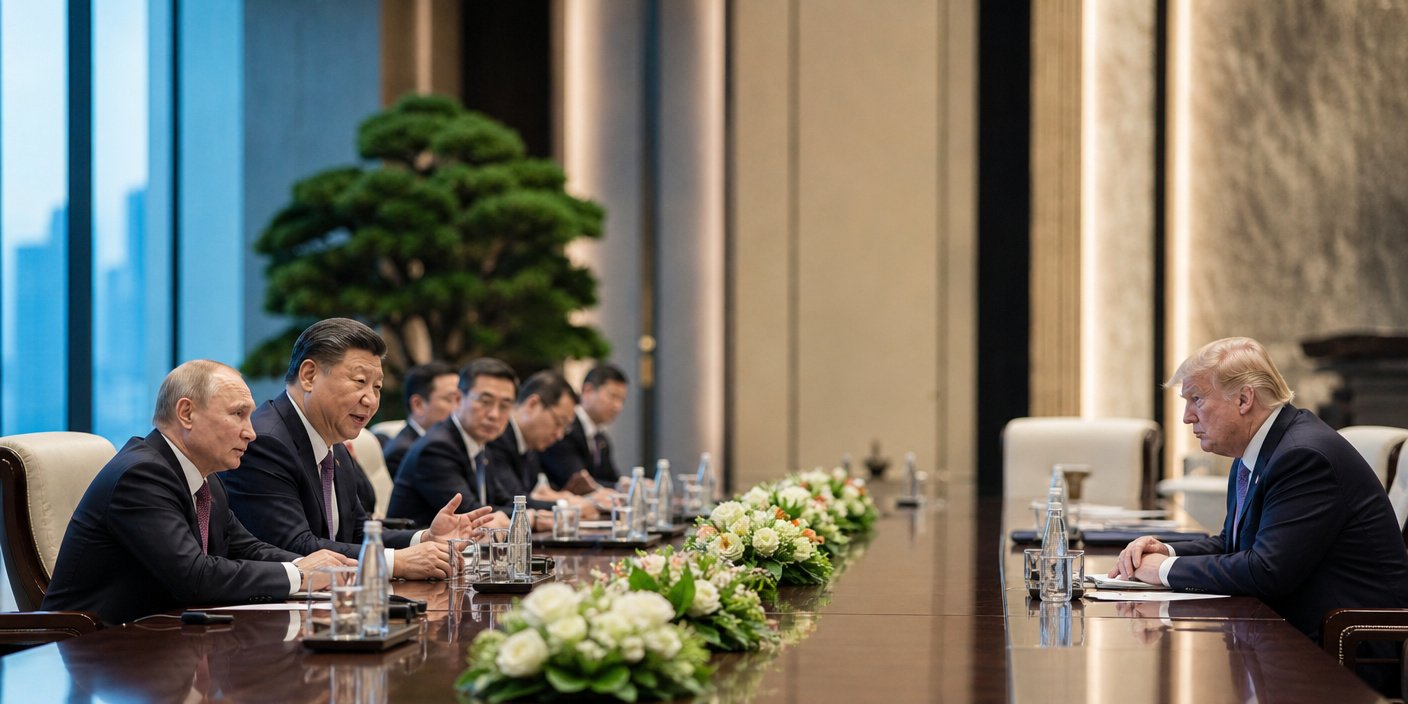
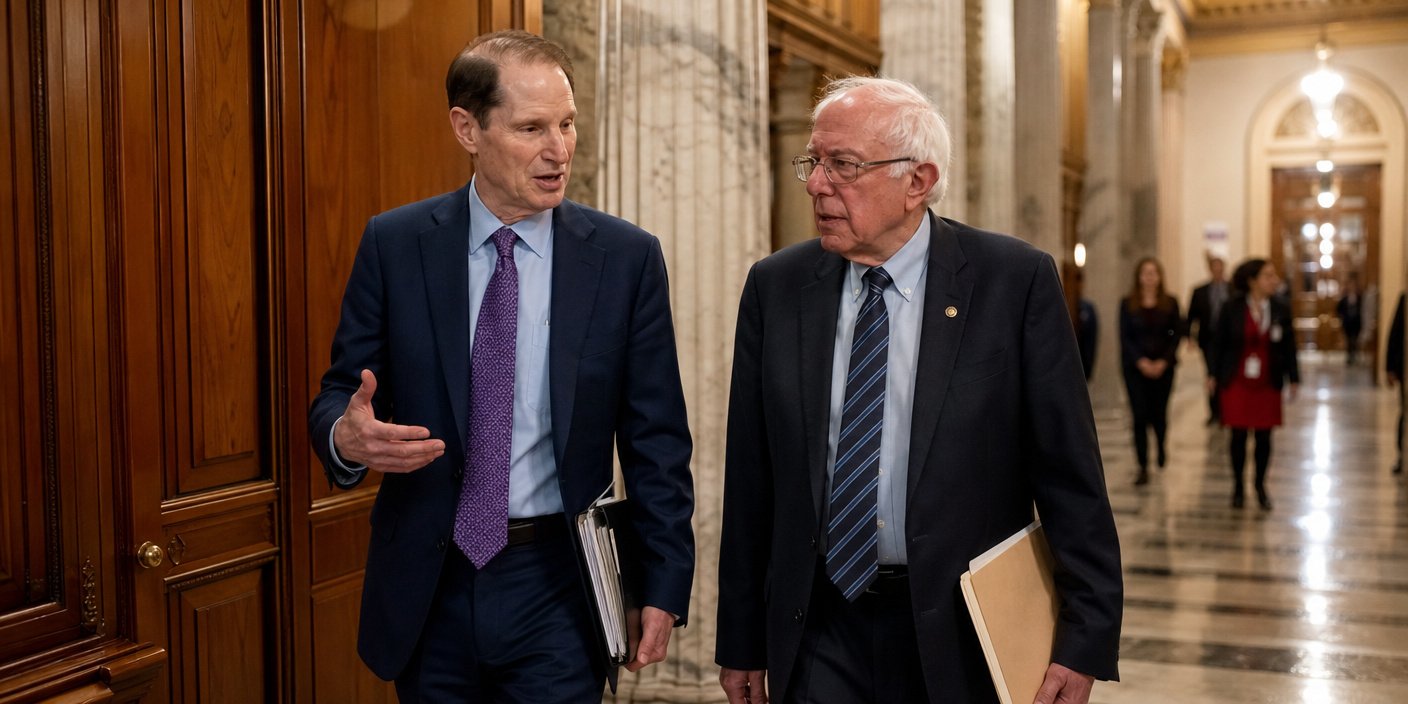
In a display of high-stakes diplomacy that has stunned international observers, former President Donald Trump has arrived in the Shenzhen Special Economic Zone for a critical trilateral summit with Chinese President Xi Jinping and Russian President Vladimir Putin. The meeting, which has bypassed traditional diplomatic channels, is currently focused on navigating a triad of the world’s most pressing geopolitical flashpoints: the escalating volatility in the war in Ukraine, the precarious nature of nuclear disarmament, and the deepening crisis in Iran. This gathering marks one of the most significant shifts in international relations in the 21st century, as the three leaders engage in direct dialogue aimed at reshaping the global security architecture.
Key Highlights
- The Trilateral Framework: President Trump, President Xi, and President Putin are engaging in private, face-to-face negotiations in Shenzhen, China, signaling a rare attempt at a three-way geopolitical realignment.
- Nuclear Disarmament Focus: A primary agenda item is the creation of a new, transparent framework for nuclear non-proliferation, with all three powers under pressure to commit to reduced weapon stockpiles.
- Addressing Ukraine & Iran: The summit directly tackles the two most significant active sources of global instability: the protracted conflict in Ukraine and the escalating crisis surrounding Iran’s regional maneuvers.
- Strategic Venue: The choice of Shenzhen, China’s primary hub of innovation and economic growth, suggests that the talks are as much about economic deterrence and stability as they are about military strategy.
The Shenzhen Summit: A Tri-Polar Geopolitical Shift
The selection of Shenzhen as the venue for this summit is highly symbolic. Known as the “Silicon Valley of Hardware,” the city represents China’s transition from a manufacturing giant to a technological powerhouse. By meeting here, President Trump, President Xi, and President Putin are signaling that the next era of global power will be defined by the intersection of economic innovation and military deterrence. The atmosphere inside the secure facility is described as tense, reflecting the magnitude of the issues on the table.
Negotiating the Ukraine-Russia Conflict
Perhaps the most contentious item on the agenda is the war in Ukraine. The trilateral format provides a unique opportunity for Trump and Xi to exert collective pressure on Moscow regarding its military trajectory. Intelligence and policy analysts suggest that any resolution here would likely require a monumental security guarantee that addresses Russia’s stated grievances while ensuring the long-term sovereignty of Ukrainian borders. For Trump, the goal is a rapid cessation of hostilities that avoids further US military entanglement, while Xi seeks to minimize the economic damage to the Belt and Road Initiative caused by regional instability.
The Nuclear Disarmament Initiative

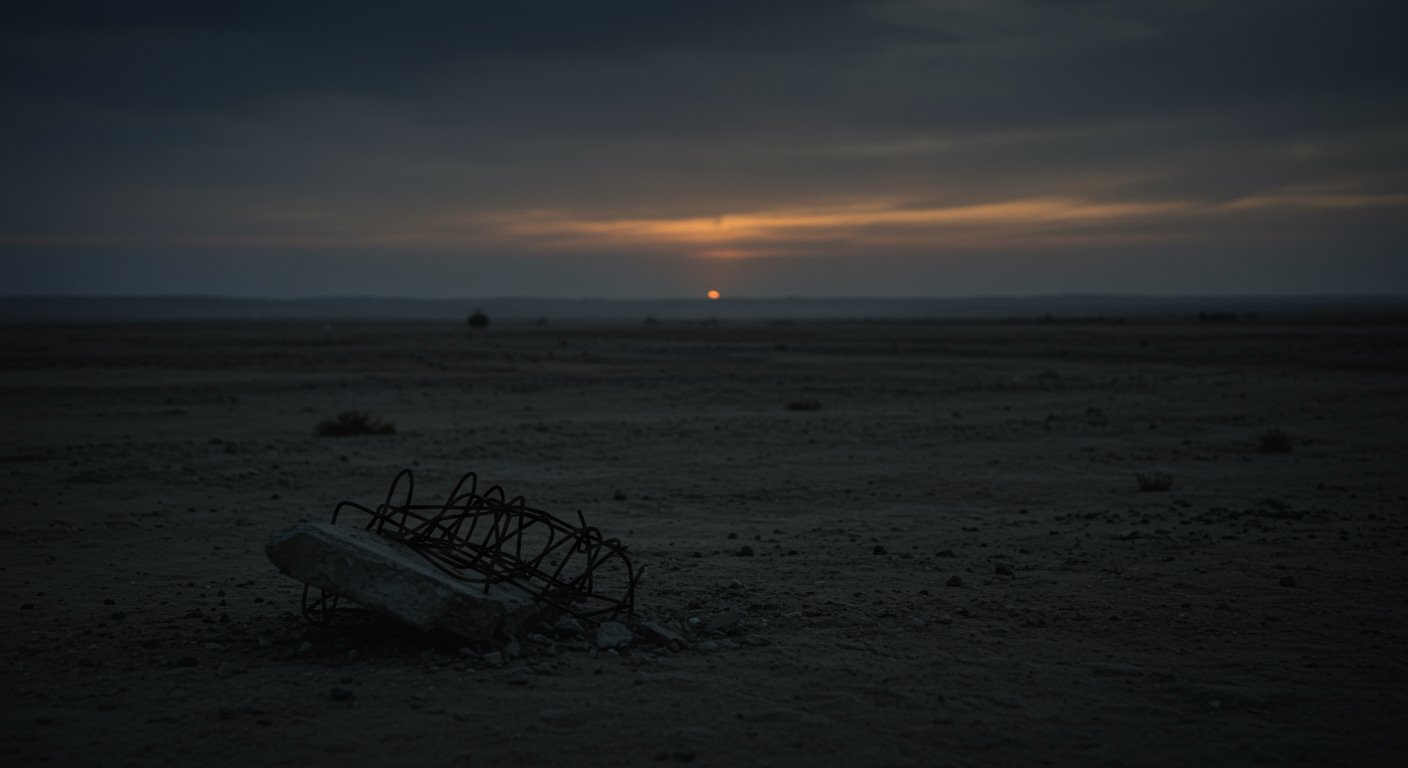

The spectre of nuclear proliferation has loomed over international politics for decades. In this summit, the participants are attempting to draft a new “Shenzhen Accord,” a hypothetical successor to Cold War-era treaties. The objective is to move beyond the failed START agreements and implement a robust inspection regime that satisfies both US and Russian security concerns, while addressing China’s expanding nuclear capabilities. This is a delicate balancing act, as any move to limit arsenals could fundamentally alter the balance of power in the Pacific.
Managing the Iranian Crisis
The crisis in Iran—encompassing its regional proxy networks, nuclear enrichment programs, and domestic instability—is the third pillar of the Shenzhen talks. The US, Russia, and China maintain varying degrees of influence over Tehran. A consolidated approach, where these three global superpowers agree on a unified stance, could effectively box in the Iranian regime, forcing a recalibration of its regional strategy. The objective is to prevent a broader Middle Eastern conflagration that could disrupt global oil prices and shipping lanes, which are vital to the economic interests of all three nations present.
Historical Context: The New Kissingerism?
Diplomatic historians are already drawing comparisons to the 1972 Nixon-Kissinger opening to China. However, this summit is more complex due to the multipolar nature of the 2024 landscape. Unlike the bipolar Cold War era, where Washington and Moscow stood in diametric opposition, this summit acknowledges that China is now an equal, if not superior, economic player. The “Trump-Xi-Putin” model represents a departure from traditional multilateral alliances like NATO, favoring instead direct, transactional diplomacy between the world’s most powerful figures.
Economic Implications and Future Projections
The markets are watching the Shenzhen summit with extreme caution. The potential for a deal could send shockwaves through the global economy. A breakthrough in the Ukraine-Russia conflict could lead to a massive reduction in sanctions, fundamentally altering global energy and commodity markets. Conversely, if the talks stall, the resulting increase in geopolitical uncertainty could trigger significant volatility in stock indices and precious metals. The outcome of this meeting will likely dictate the tone of international trade policy for the next decade.
FAQ: People Also Ask
Q: Why was Shenzhen chosen for this trilateral summit?
A: Shenzhen was likely chosen to emphasize the summit’s focus on the intersection of economic stability and global security. It highlights China’s role as both a technological leader and a necessary participant in any global security resolution.
Q: What are the primary objectives of these talks?
A: The core objectives are finding a negotiated settlement for the war in Ukraine, establishing a new framework for global nuclear disarmament, and creating a unified approach to address the ongoing crisis in Iran.
Q: How does this summit differ from typical G7 or G20 meetings?
A: Unlike G7 or G20 summits which involve large bureaucratic delegations and broad, often non-binding statements, this is a direct, limited-participation summit involving only three primary world leaders, allowing for rapid, high-level decision-making.
Q: Is there a precedent for this type of diplomacy?
A: While summits between two of these three nations are common, a trilateral meeting of this nature is unprecedented in modern history, challenging established diplomatic norms and bypassing traditional alliance structures.