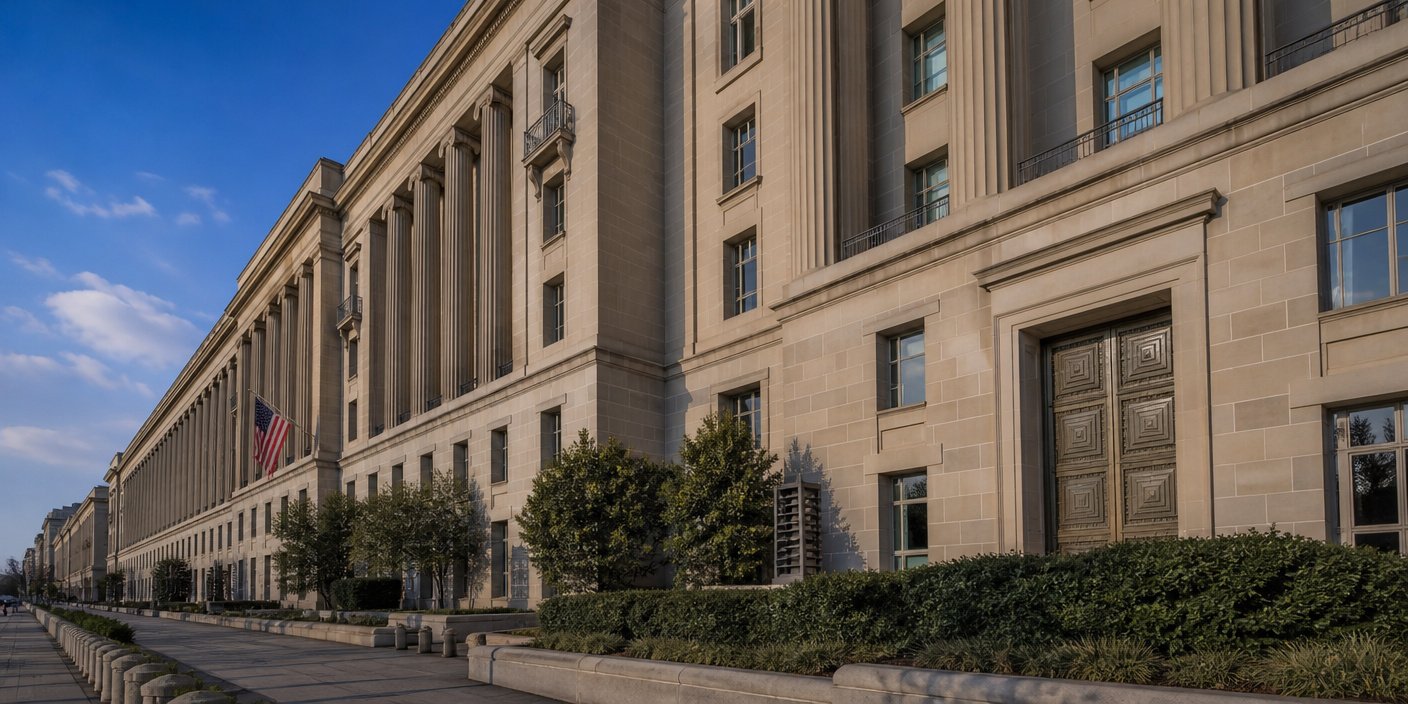
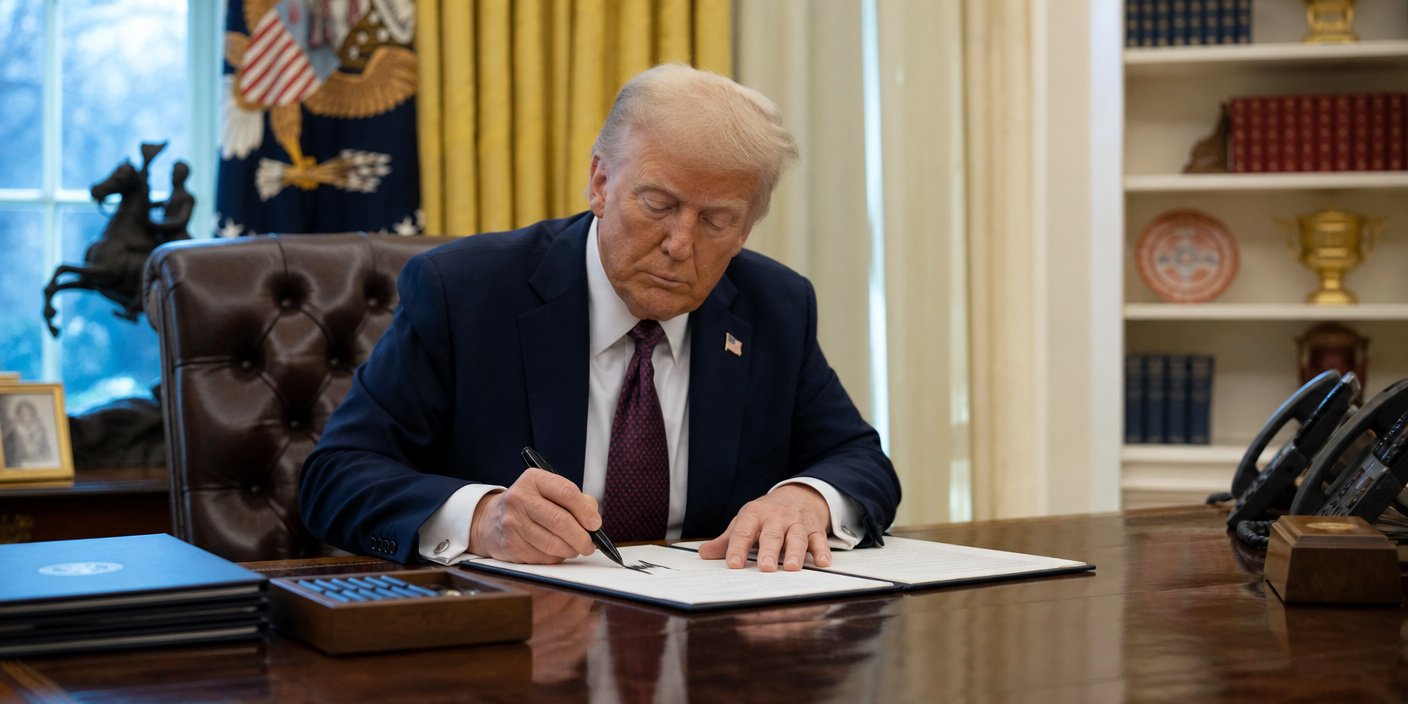
The U.S. Department of Defense has officially designated Confucius Institutes as a national security threat, marking a significant escalation in Washington’s efforts to counter foreign influence operations on American soil. Defense Secretary Pete Hegseth announced the move, citing the identification of 80 distinct ‘propaganda cells’ currently operating within 30 U.S. universities. According to the Defense Department, these entities have increasingly utilized rebranding strategies to evade scrutiny, masking their true operational mandates behind various innocuous titles to maintain access to American students.
Key Highlights
- Formal Designation: The Department of Defense has formally classified Confucius Institutes as a direct threat to national security, triggering a comprehensive interagency review.
- Scope of Influence: Intelligence assessments have identified 80 active ‘propaganda cells’ distributed across 30 major U.S. university campuses.
- Rebranding Tactics: These operations have systematically changed names to bypass previous regulatory barriers, continuing influence campaigns under the guise of cultural or language programs.
- Strategic Pivot: Defense Secretary Pete Hegseth emphasized that this action is part of a broader strategy to secure academic institutions from foreign intelligence penetration.
Unveiling the Network: Pentagon’s Strategy Against Campus Influence
The formal designation of Confucius Institutes as a national security threat represents a critical pivot in how the United States federal government approaches the intersection of higher education and international intelligence. For years, these institutes were marketed as non-profit public educational organizations, designed to promote Chinese language and culture. However, the recent findings released by the Department of Defense suggest that these entities have functioned as nodes for strategic messaging that aligns with the specific geopolitical goals of foreign adversaries, often at the expense of open academic inquiry and national security.
The Mechanics of the ‘Propaganda Cells’
At the heart of the Pentagon’s concern is the operational structure of the 80 identified cells. These are not merely cultural exchange groups; according to intelligence briefings, they serve as conduits for state-sponsored propaganda designed to shape the perspectives of American students. By infiltrating the administrative or extracurricular frameworks of 30 universities, these cells have managed to exert subtle but persistent pressure on academic discourse.




The Department of Defense’s investigation revealed that when individual universities or state governments attempted to shut down or audit these programs, the organizations frequently employed a ‘rebranding’ tactic. By dissolving the specific ‘Confucius Institute’ entity and reconstituting under generic names—such as ‘Global Language Centers’ or ‘International Academic Exchange Programs’—the cells successfully circumvented local oversight while maintaining their original operational personnel and funding lines. This shell-game approach has been a focal point of Secretary Hegseth’s recent warnings, illustrating that the threat is not just in the name, but in the institutional footprint they leave behind.
The 30-University Assessment
The selection of the 30 universities impacted by these findings highlights a calculated approach by foreign intelligence assets. These are not arbitrary locations; the institutions often host sensitive research programs, critical engineering departments, or possess proximity to military-industrial sectors. By embedding these ‘propaganda cells’ in these specific environments, the risk extends beyond simple soft-power persuasion. There is a tangible concern that these locations serve as hubs for intelligence gathering, intellectual property monitoring, and the grooming of students who may eventually enter sensitive government or corporate roles. The Pentagon’s move is intended to force these universities to choose between these foreign-funded partnerships and federal research funding, creating a clear regulatory ultimatum that forces transparency.
Academic Freedom vs. National Security
The designation has ignited a complex debate regarding the role of academic freedom. Critics of the Pentagon’s move argue that sweeping designations could stifle international collaboration and cultural exchange. However, defense officials maintain that the line is crossed when educational entities are utilized for state-directed information warfare. The Pentagon argues that the presence of these cells fundamentally compromises the ‘academic freedom’ they claim to uphold, as the propaganda framework inherently limits the scope of debate and research allowed within the program’s orbit.
Looking ahead, the defense community anticipates that this designation will prompt a wider audit of foreign funding across the American university system. The goal is not merely to shutter these 80 identified cells, but to dismantle the entire infrastructure that allowed them to hide in plain sight for over a decade. The Department of Defense has indicated that it will work closely with university boards, providing them with the intelligence necessary to identify disguised entities that continue to operate under aliases. This is expected to be a long-term administrative and security effort, signaling the end of the ‘open door’ policy for foreign-government-sponsored institutes that do not meet rigorous standards of transparency and reciprocity.
FAQ: People Also Ask
1. What is the main reason for the Pentagon’s new designation?
The Pentagon designated these institutes a national security threat because evidence suggests they are operating as covert ‘propaganda cells’ intended to influence American students and conduct intelligence gathering, rather than serving as legitimate cultural or educational exchange programs.
2. How did these institutes avoid detection?
The institutes frequently used a rebranding strategy. When facing public pressure or investigations, they would dissolve their official branding and reconstitute under generic names, such as language learning centers or academic exchange bureaus, to hide their origins and continue operations.
3. Which universities are affected?
While the specific names of all 30 universities have not been released in the general press summary to protect ongoing intelligence operations, the Department of Defense has confirmed these institutions are spread across the U.S. and often host critical research programs or have strategic importance.
4. What does this mean for students currently enrolled in these programs?
The immediate impact is a directive for universities to re-evaluate their partnerships. Students are generally not the targets of this action; however, the programs they are enrolled in may face defunding, dissolution, or radical restructuring as universities comply with new federal security guidelines.