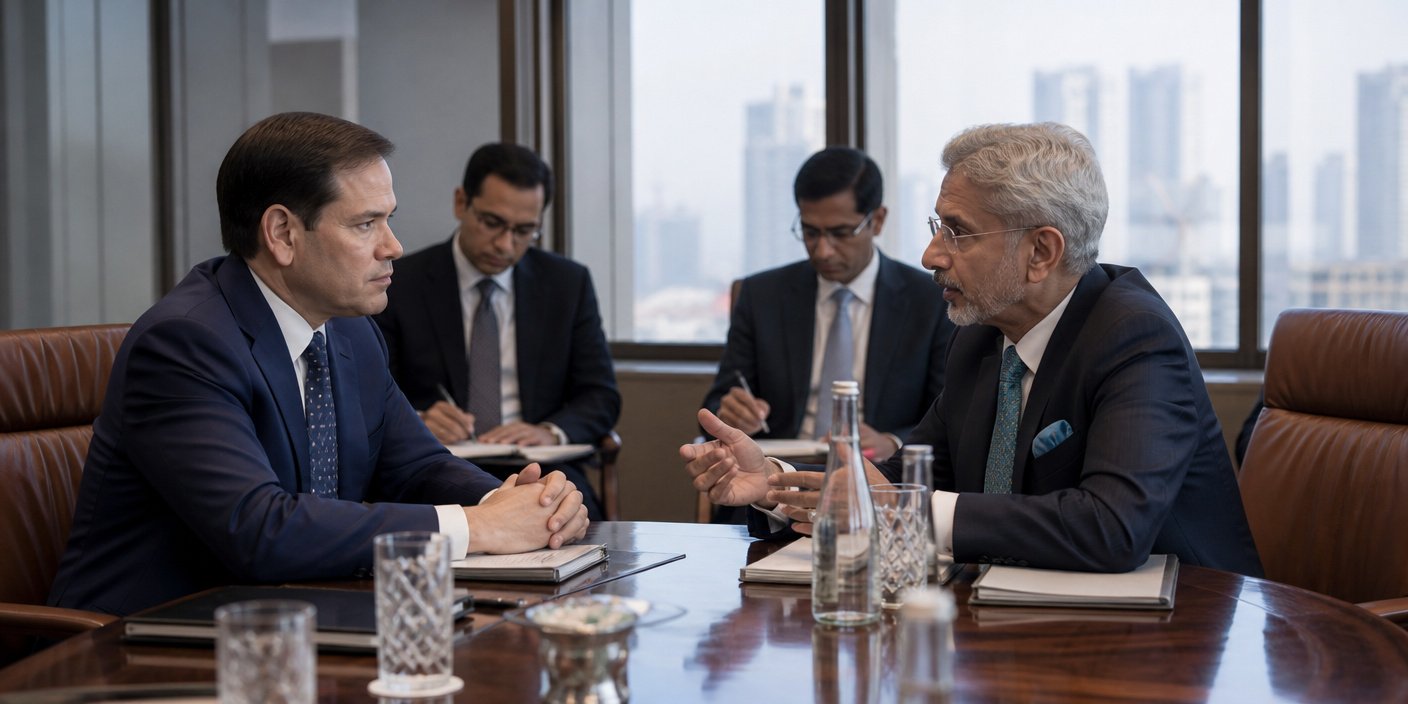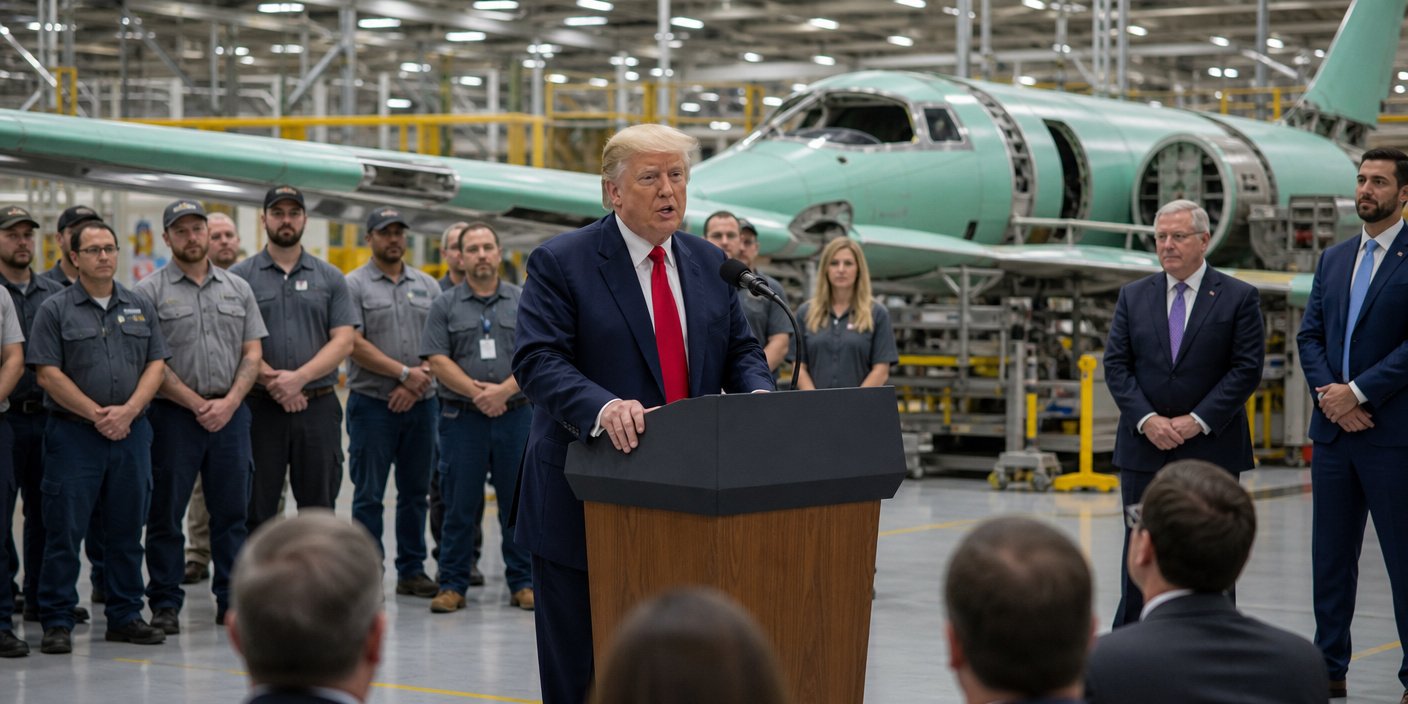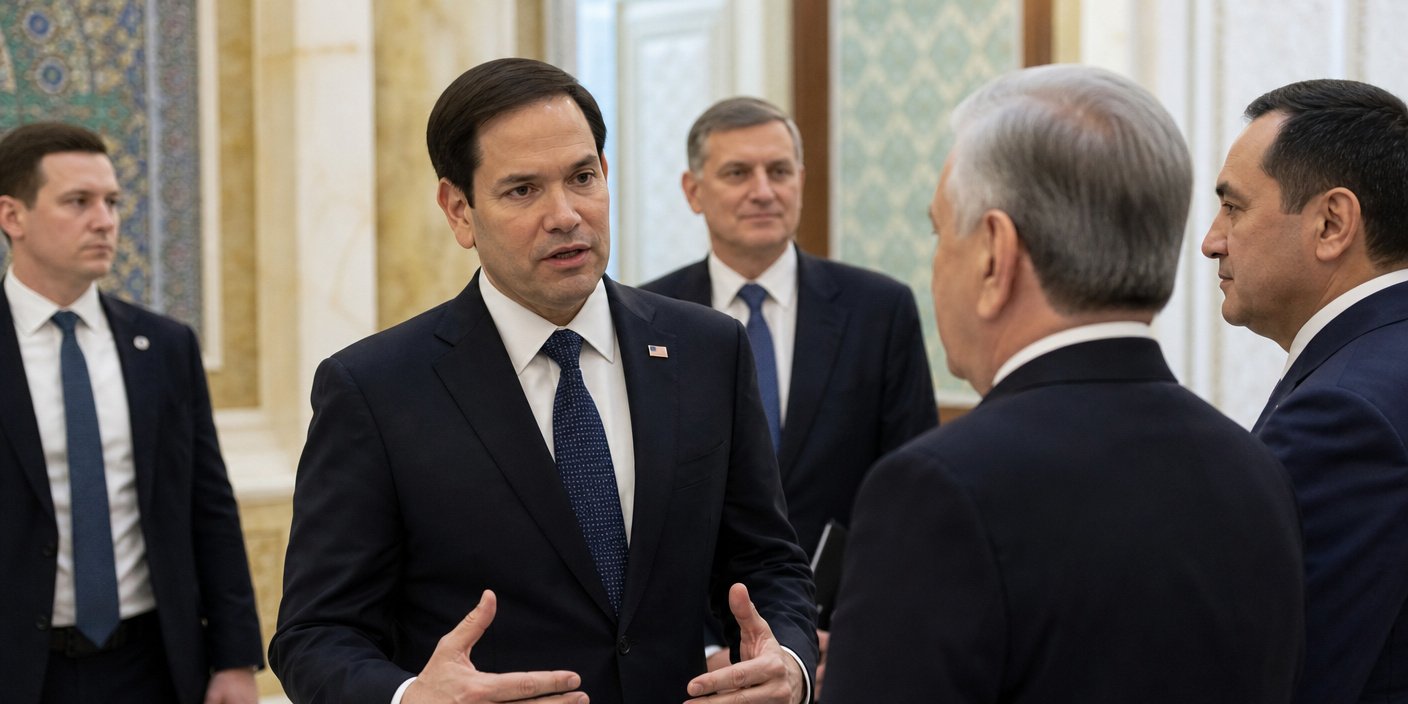

In a significant development in international relations, Russian authorities have released American citizen Stephen Hubbard from imprisonment, following a direct, formal request from President Donald Trump. This release marks a critical shift in the diplomatic landscape, occurring simultaneously as U.S. special envoy Steve Witkoff meets with Vladimir Putin in St. Petersburg to discuss the escalating conflict in Ukraine. The coordination between the presidential request and the high-level talks suggests a renewed, if tentative, channel of communication between Washington and Moscow.
Key Highlights
- Direct Intervention: Stephen Hubbard, a U.S. citizen previously held by Russian authorities, has been released following a personal, formal request from President Trump.
- Diplomatic Momentum: The release occurred in parallel with active, high-level diplomatic engagement involving U.S. envoy Steve Witkoff.
- St. Petersburg Summit: Envoy Witkoff is currently in St. Petersburg holding direct discussions with Vladimir Putin, focusing primarily on the geopolitical crisis in Ukraine.
- Channel Opening: Analysts suggest this release signals a strategic attempt to de-escalate tensions and potentially leverage prisoner diplomacy to establish a framework for broader peace negotiations.
The New Landscape of Back-Channel Diplomacy
The release of Stephen Hubbard is not merely a humanitarian success; it is a calculated gesture that speaks volumes about the current state of back-channel diplomacy between the United States and the Russian Federation. By fulfilling President Trump’s request, the Kremlin has demonstrated a willingness to engage in transactional diplomacy—a hallmark of realpolitik where specific concessions are traded to facilitate broader conversations.
The Role of Steve Witkoff as Envoy
Steve Witkoff’s presence in St. Petersburg is the central pillar of this diplomatic maneuver. As a trusted representative, Witkoff’s mission goes beyond the mere facilitation of prisoner exchanges. His discussions with Vladimir Putin are focused on the existential threats posed by the ongoing conflict in Ukraine, aiming to find common ground or, at the very least, a de-escalation mechanism. The fact that these high-level talks are occurring in St. Petersburg—a city historically significant to Russian power—underscores the gravity the Kremlin attaches to this specific round of negotiations.
Analyzing the Transactional Nature of the Release

In the realm of international relations, prisoner releases are rarely arbitrary. They are carefully timed signals. By releasing Hubbard, Moscow is effectively testing the receptivity of the current U.S. administration. The request from President Trump serves as an initial “trust-building” measure, a necessary precursor to discussing the much more complex and intractable issues surrounding the Ukraine conflict. For the U.S., the priority remains the safety of its citizens, but for the administration, this release provides the necessary political capital to continue the difficult conversations Witkoff is currently leading.
The Ukraine Conflict as a Backdrop
The shadow of the war in Ukraine looms large over every interaction in St. Petersburg. The conflict has essentially frozen traditional diplomatic channels for months, making the current talks, and the associated prisoner release, a potential turning point. Whether this represents a genuine shift in policy or a temporary reprieve remains to be seen. However, the alignment of Hubbard’s release with Witkoff’s presence indicates a high level of coordination. The administration is banking on the idea that personal-level negotiations between chosen envoys and the Russian leadership can bypass bureaucratic gridlock to address the most urgent security concerns in Europe.
Geopolitical Implications and Future Predictions
If these talks continue to yield results, we may see a series of similar, incremental agreements. The focus will likely shift from humanitarian concerns to security guarantees and potential cease-fire frameworks. This is a fragile process. One misstep or miscommunication could derail the progress made by envoys like Witkoff. Nevertheless, the return of Stephen Hubbard provides a concrete, measurable win that may stabilize the volatile relationship enough to allow for deeper, more meaningful dialogue about the future of the Ukraine conflict.
FAQ: People Also Ask
Q: Who is Stephen Hubbard and why was he held?
A: Stephen Hubbard is a U.S. citizen who was previously imprisoned in Russia. His release was secured following a direct intervention by President Trump, serving as a focal point for current U.S.-Russia diplomatic efforts.
Q: What is the primary objective of Steve Witkoff’s visit to St. Petersburg?
A: U.S. envoy Steve Witkoff is in St. Petersburg to engage in high-level talks with Vladimir Putin. The core focus of these discussions is the conflict in Ukraine, with the goal of establishing communication channels and exploring potential paths toward de-escalation.
Q: Is there a connection between the release of Stephen Hubbard and the Ukraine conflict talks?
A: Yes. The timing suggests a strategic, transactional relationship. The release serves as an initial good-faith measure that allows for the continuation of high-level diplomatic discussions regarding the war in Ukraine.
Q: Why is this considered ‘back-channel’ diplomacy?
A: It is considered back-channel because it relies on specific, presidential-level requests and direct emissary-to-leader negotiations, often bypassing standard or stalled institutional diplomatic pathways to achieve immediate results.