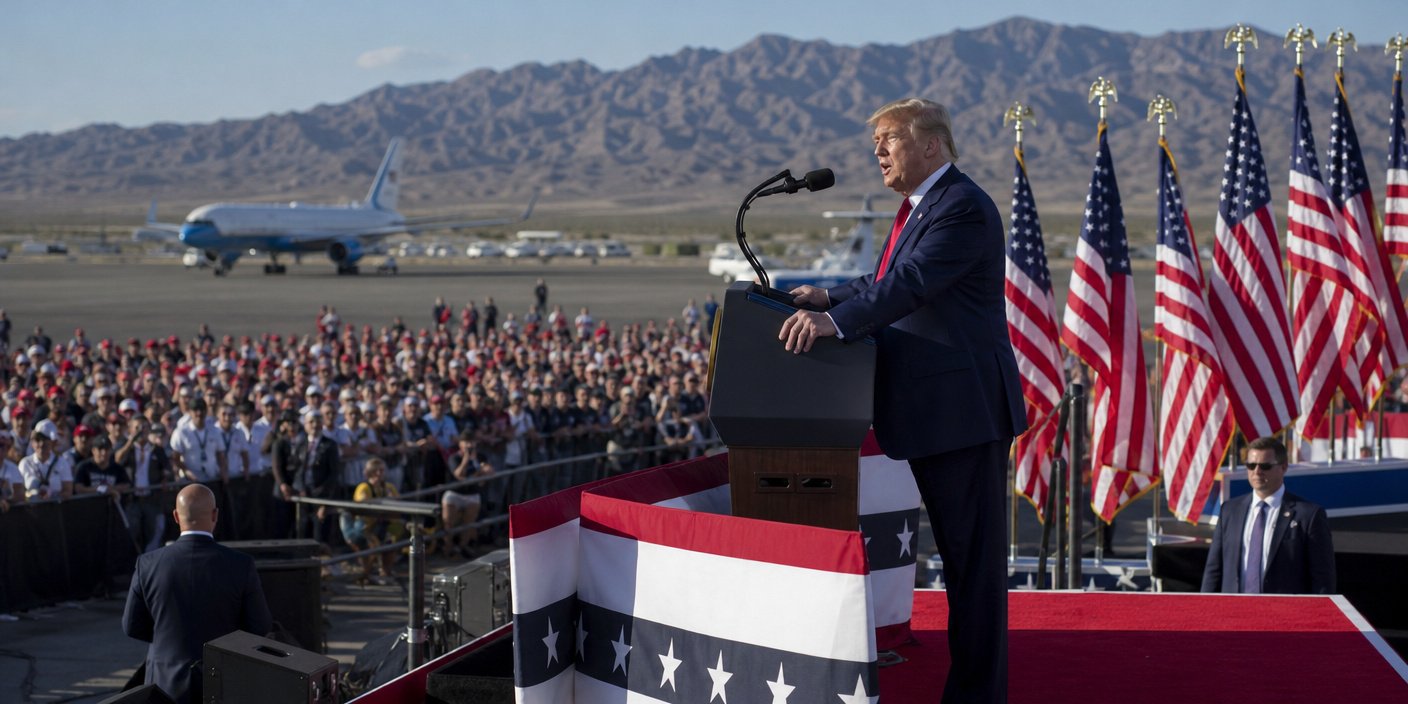
Former President Barack Obama has forcefully condemned comments made by former acting ICE Director Tom Homan, who suggested that Democratic Representative Ilhan Omar could potentially be denaturalized and deported. Speaking at a campaign rally in Pittsburgh, Pennsylvania, in October 2024, Obama framed the remarks as a dangerous precedent that threatens the fundamental rights of naturalized citizens. The condemnation arrived amidst an intensified political battle over immigration policy, with Obama highlighting that such rhetoric targets the core tenets of American democracy and the security of those who have attained citizenship through the established legal process.
Key Highlights
- The Conflict: Former President Barack Obama publicly criticized Tom Homan, the former acting Director of U.S. Immigration and Customs Enforcement (ICE), for comments regarding Rep. Ilhan Omar’s citizenship status.
- The Rhetoric: Homan, often cited as a key architect of Trump-era immigration policies, suggested that legal pathways exist to denaturalize and deport certain individuals, specifically referencing Omar.
- The Rebuttal: Obama characterized these comments as a “dangerous” escalation in political rhetoric, arguing that they undermine the security of naturalized citizens across the country.
- Legal & Political Context: The debate centers on the high legal threshold required for denaturalization, contrasting sharply with the aggressive immigration policy proposals currently dominating the 2024 campaign cycle.
The Escalation of Immigration Discourse
The dispute involving Representative Ilhan Omar and Tom Homan represents a significant flashpoint in the broader American debate regarding immigration, sovereignty, and the power of the federal government. During a campaign event for Vice President Kamala Harris in Pittsburgh, Obama addressed the comments directly, noting that such statements from figures close to the Trump campaign signal a willingness to utilize administrative power against political opponents in ways that were previously considered beyond the pale of mainstream political discourse.
Tom Homan, who led ICE during the Trump administration, has remained a prominent voice in the call for mass deportations. His suggestion regarding the denaturalization of Representative Omar—a naturalized citizen who immigrated to the United States as a refugee from Somalia—has drawn immediate scrutiny. Critics, including Obama, argue that this line of attack is not merely a policy dispute but a fundamental challenge to the constitutional protections afforded to all American citizens, regardless of their place of birth.
The Legal Threshold of Denaturalization
Legal experts and constitutional scholars have weighed in, noting that denaturalization is a complex, judicial process, not an executive prerogative. The Department of Justice (DOJ) can only initiate denaturalization proceedings under very specific circumstances, such as proving that an individual obtained their citizenship through fraud or willful misrepresentation.


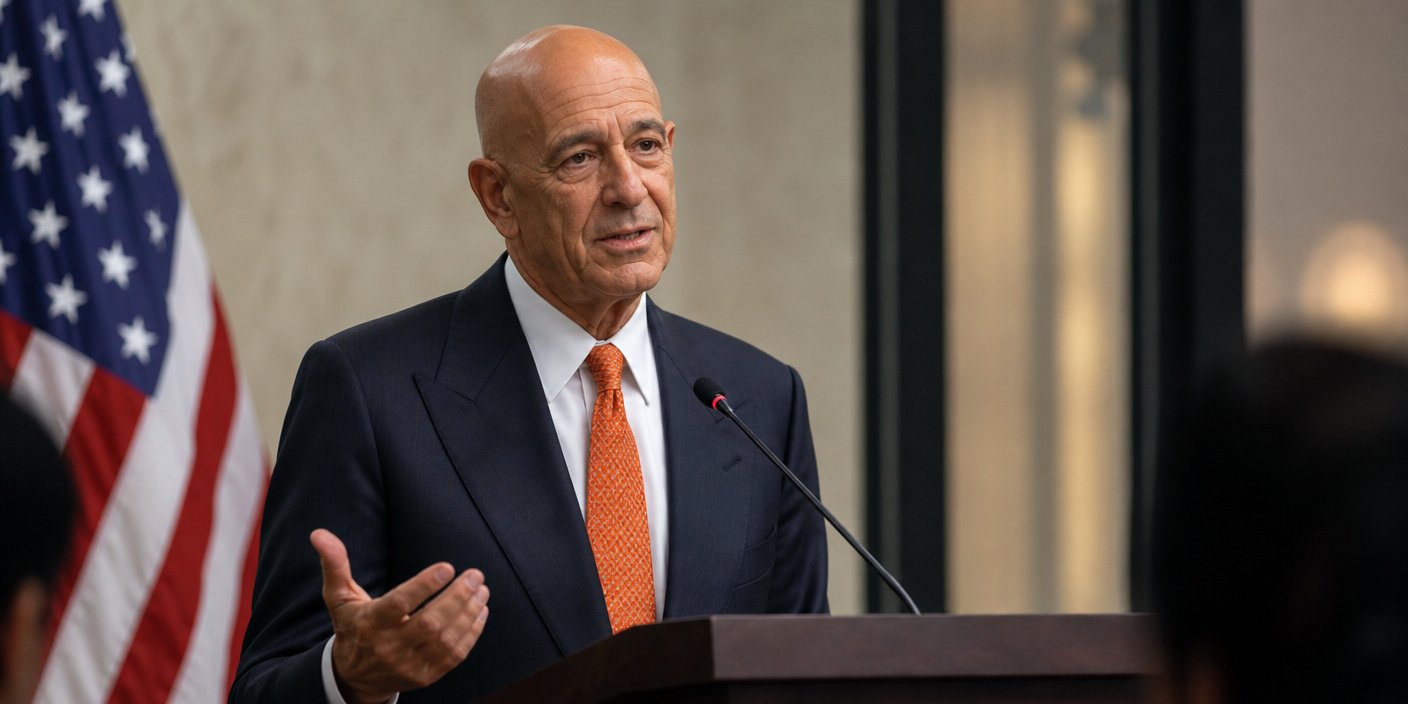

There is no legal mechanism for the government to strip citizenship from an individual simply based on political alignment, public speech, or policy disagreements. Obama’s critique emphasized this, suggesting that the normalization of “denaturalization threats” serves to create an environment of fear among immigrant communities. By suggesting that citizenship can be made “contingent” upon political behavior, the discourse risks destabilizing the understanding of what it means to be a U.S. citizen in the 21st century.
Historical Precedents and Political Strategy
This incident highlights a shift in political strategy where immigration policy is increasingly used as a tool for cultural signaling. For the Trump campaign and its surrogates, the focus on “border czar” figures and aggressive enforcement rhetoric is designed to appeal to a base concerned with border security and national sovereignty.
However, the strategy carries significant risk. By targeting a member of Congress—a dual citizen by naturalization—the rhetoric moves beyond the border and into the realm of domestic civil rights. The backlash from the Democratic party, spearheaded by Obama, is an attempt to define the stakes of the 2024 election not just as a debate over border crossings, but as a referendum on the civil rights protections that define American life. The tension here lies in the conflicting visions of America: one that views citizenship as an earned, permanent legal status, and another that views it as an administrative credential that can be audited and potentially revoked.
The Role of Somali-American Communities
Representative Omar’s constituency, and the broader Somali-American community in Minnesota and elsewhere, have viewed these comments as a direct affront. The rhetoric taps into historical anxieties regarding “otherness” and the questioning of loyalties, a recurring theme in nativist politics. Obama’s intervention in this matter is strategically significant, as he remains the most prominent voice in the Democratic party capable of framing these incidents for a national audience, drawing parallels to broader historical struggles for civil rights.
FAQ: People Also Ask
What does “denaturalization” mean?
Denaturalization is the legal process by which a naturalized U.S. citizen has their citizenship revoked. Under U.S. law, this is an extremely difficult process that requires the government to prove that the individual obtained their citizenship illegally (e.g., through fraud) in a federal court. It is not an administrative action that can be taken at the will of an official.
Why is Tom Homan involved in this controversy?
Tom Homan served as the Acting Director of ICE during the Trump administration and has been an influential voice in the Republican party regarding immigration policy. His aggressive stance on mass deportation and his public rhetoric regarding “border enforcement” have made him a central figure in the debate over the future of U.S. immigration policy.
Did Barack Obama change his stance on immigration with this comment?
No, Obama’s criticism is consistent with his broader political philosophy regarding democratic norms. His argument is that while border policy is a legitimate subject of political debate, using the machinery of the state to threaten the citizenship status of political rivals or naturalized citizens crosses a line that undermines the rule of law.
What is the significance of the “Border Czar” title?
The term “border czar” is a colloquial title often used by political critics to describe officials tasked with overseeing border security or immigration enforcement. In this context, it refers to Homan’s perceived or real role as a key advisor shaping the hardline immigration strategies advocated by the Trump movement.