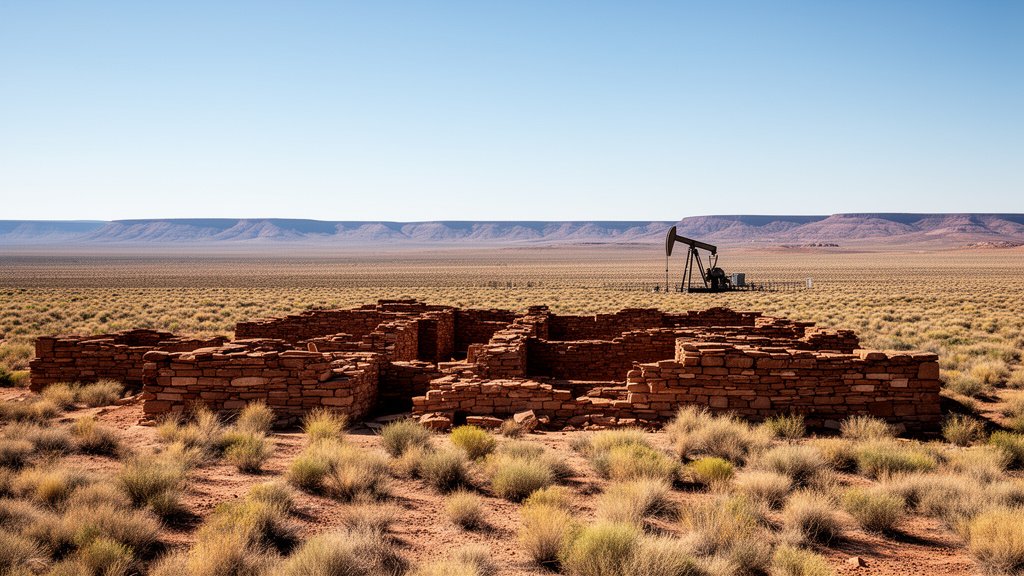
As the dust settles over the Black Rock Desert following the conclusion of the 2026 season, the American cultural landscape is facing a dual reckoning. The week of September 5–September 11, 2026, has highlighted a significant shift in societal priorities: the Burning Man festival, once the bastion of youth-driven counterculture, is reporting record-high participant age averages, while simultaneously, a groundswell of public resistance against AI infrastructure expansion has reached a fever pitch over ballooning energy costs. These two disparate stories coalesce into a singular narrative regarding the cost—cultural, social, and energetic—of the American future.
Key Highlights
- The Graying Playa: Demographic data from the 2026 Burning Man season indicates a sharp increase in participants aged 45 and older, signaling a transition from a transient youth movement to an entrenched legacy institution.
- The Energy Paradox: Local municipalities across the Sun Belt are reporting intense pushback against data center developments, with residents citing fears of surging utility rates and local power grid destabilization to feed AI-driven workloads.
- Regulatory Tension: New local ordinances proposed between September 5–11 aimed to force technology firms to subsidize local energy grid upgrades, signaling a shift in policy power from Silicon Valley to local public utility commissions.
The Great Transformation: Culture and Power at a Crossroads
The Aging of the Counterculture
For decades, the Burning Man festival was synonymous with youth, transient exploration, and the rejection of mainstream societal norms. However, as of September 2026, the Burning Man Project’s internal demographic reporting has confirmed a stark reality: the average age of the ‘Burner’ has climbed to an all-time high of 41.5 years. This shift is not merely statistical; it represents a profound change in the event’s identity. The ‘Burner’ of 2026 is, on average, an established professional with significant disposable income, shifting the focus from radical self-reliance to a more structured, service-heavy experience.
Sociologists observing this trend note that the event has become a mirror of the broader aging American population. The “playa” is no longer the playground of the 20-something graduate student, but the mid-career architect, the tech executive, and the suburban professional. This demographic reality forces an existential question: can a cultural phenomenon designed for radical, youthful spontaneity survive as an institution maintained by the established upper-middle class? The infrastructure of the event itself—now featuring high-end climate-controlled living units and elaborate, luxury-grade logistical support—reflects the changing priorities of its aging core. The transition from a transient, raw experience to a legacy event suggests that the counterculture of the 1990s and 2000s has successfully, and perhaps inevitably, institutionalized.
The Energy Grid and the AI Backlash
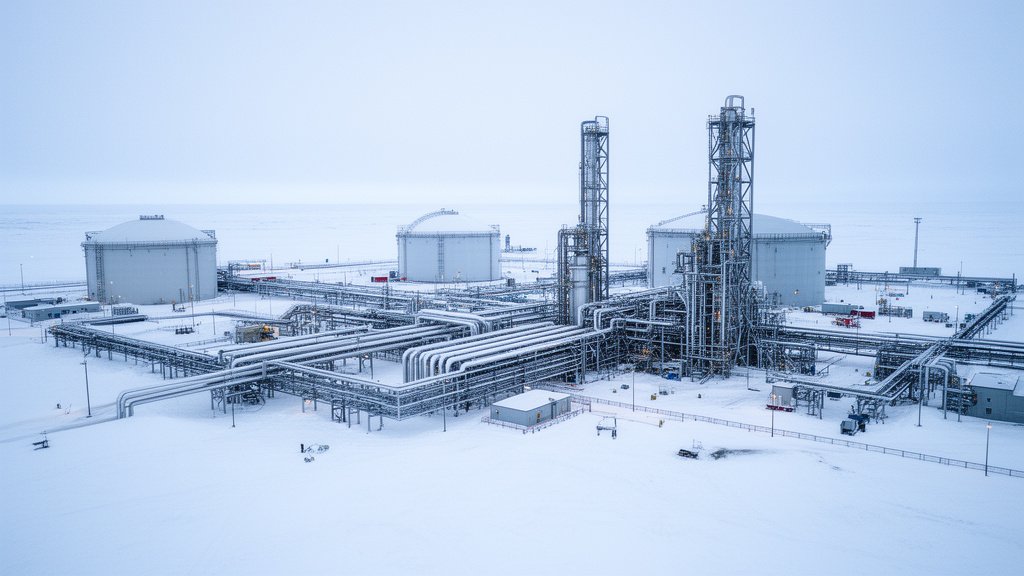
While the desert dust settled on an aging cultural legacy, a more volatile battle was brewing in the halls of government. The week of September 5–11, 2026, saw widespread public demonstrations in tech-hub regions, from Northern Virginia to the Phoenix metro area, centered on one core issue: energy costs. The aggressive expansion of AI infrastructure, particularly large-scale data centers designed to house generative AI server arrays, has placed an unprecedented load on regional electrical grids.

For the average American consumer, the cost of this technological gold rush is beginning to appear on their monthly utility bills. Data from the Sustainable Energy Coalition indicates that energy prices in data-center-heavy regions have risen by an average of 14% over the last eighteen months, a direct result of capital expenditure requirements for grid reinforcement and the sheer volume of electricity consumed by server cooling systems. The public sentiment has shifted from curiosity regarding artificial intelligence to open hostility toward its physical, energy-intensive reality.
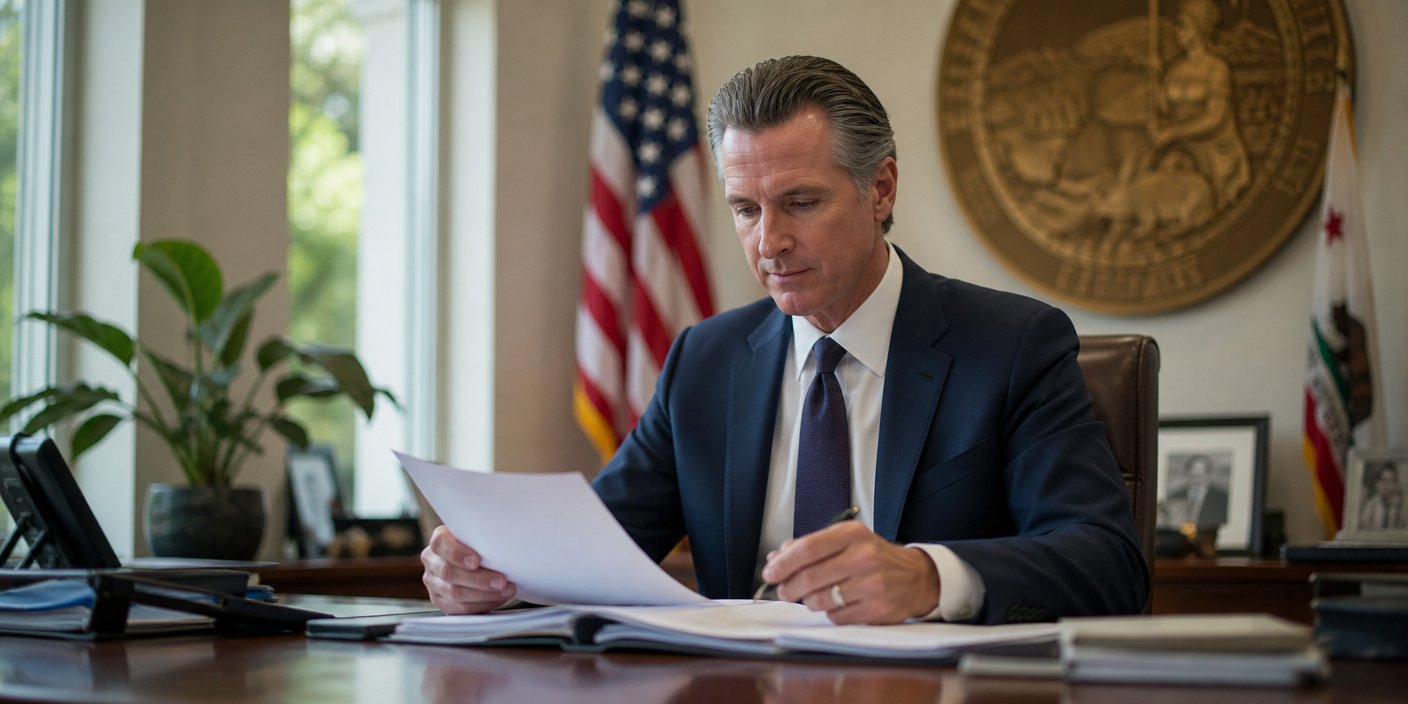
Organizations such as the ‘Citizens for Grid Integrity’ have launched coordinated campaigns to block new permits for hyper-scale data centers. Their argument is straightforward: the energy needs of the digital future should not be subsidized by the household budgets of the working class. This resistance has forced state governors to rethink the ‘blank check’ approach previously offered to tech conglomerates.
The Collision of Values
These two narratives—the institutionalization of radical culture and the privatization of public utilities—are intrinsically linked by the concept of ‘cost.’ Whether it is the economic cost of accessing a cultural rite of passage or the literal cost of kilowatt-hours in a digitized economy, the American public is demanding a more equitable distribution of resources.
By September 11, 2026, legislative sessions in three key states had already introduced bills requiring data centers to install dedicated, off-grid power generation—such as onsite small modular reactors or expansive battery storage—as a condition for operation. This is a massive victory for the grassroots energy movement and signals that the era of unfettered, grid-taxing AI expansion is coming to a close. Similarly, the Aging Burner demographic suggests that the institutions built on the backs of past revolutions are now subject to the same stagnation that they once sought to escape.
FAQ: People Also Ask
Q: Why is Burning Man’s demographic skewing older?
A: The shift is primarily driven by the rising cost of participation and the maturation of the original festival attendees. As early adopters of the counterculture movement have aged, they have retained their involvement while the younger generation faces higher barriers to entry regarding time and financial resources.
Q: What is the primary cause of the public resistance to AI data centers?
A: The resistance is fueled by rising electricity rates for residential and small-business consumers, combined with fears that data centers are exhausting local power capacity and requiring expensive grid upgrades that fall on the taxpayer.
Q: Are there actual legal changes happening regarding AI power consumption?
A: Yes. As of early September 2026, multiple states have introduced, and in some cases passed, legislation that mandates data centers to fund their own sustainable, off-grid power solutions rather than relying solely on existing municipal utilities.
Q: How does this cultural shift at Burning Man affect its future?
A: It suggests the festival is becoming a legacy institution, likely shifting from a radical, spontaneous event toward a highly organized, predictable, and premium-service-oriented gathering, similar to established high-end global events.