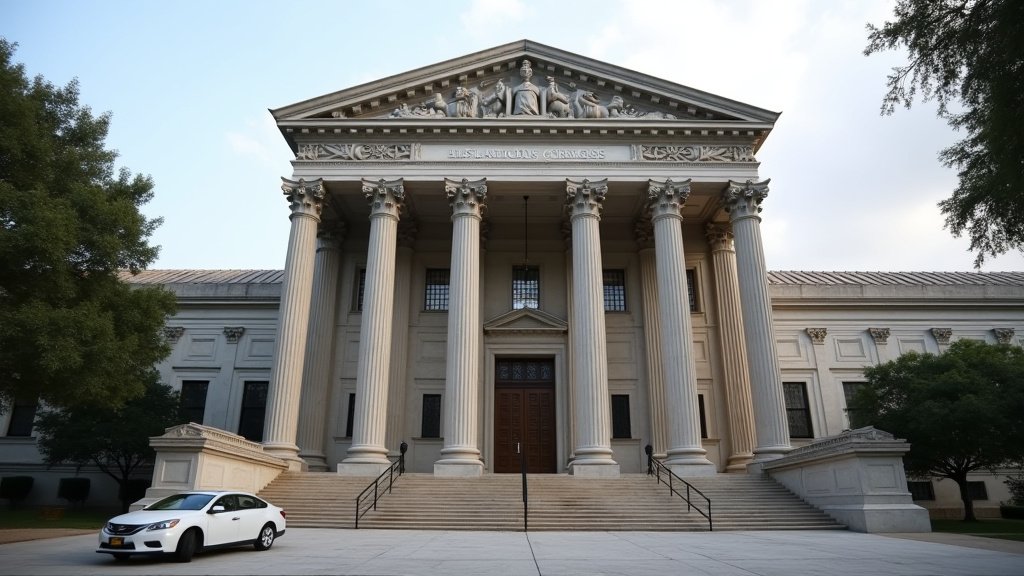
The prosecution has officially rested its case in the high-profile murder trial of Duane “Keffe D” Davis, marking a pivotal turning point in the decades-long legal battle surrounding the 1996 killing of hip-hop icon Tupac Shakur. With the state concluding its presentation of evidence, the burden now shifts to the defense to respond to accusations that Davis orchestrated the drive-by shooting on the Las Vegas Strip. This transition sets the stage for a critical phase in the proceedings, as legal observers and the public alike wait to see how the defense team will attempt to dismantle the prosecution’s narrative and whether Davis himself will choose to testify in his own defense at the Clark County District Court.
Key Highlights
- Prosecution Rests: After presenting an extensive array of evidence, witness testimonies, and investigative findings, the prosecution has concluded its case against Duane “Keffe D” Davis.
- Charges and Allegations: Davis stands accused of orchestration in the 1996 murder of Tupac Shakur, a case that remained a cold investigation for nearly three decades.
- Legal Pivot: The proceedings now move to the defense, which must navigate a mountain of evidence gathered by the Las Vegas Metropolitan Police Department (LVMPD) since the shooting.
- Cultural Significance: The trial continues to draw global attention, serving as a legal coda to one of the most mysterious and impactful chapters in modern musical history.
- Next Steps: Defense attorneys are expected to begin their strategy, with potential motions for acquittal or the introduction of rebuttal evidence expected in the coming court sessions.
The Path to Judgment: The Case Against Duane Davis
The Duane Davis murder trial stands as a testament to the persistent nature of modern criminal investigation. For nearly 27 years, the murder of Tupac Shakur remained the music industry’s most significant unsolved mystery. The recent closing of the prosecution’s case signifies more than just a procedural milestone; it represents the culmination of a massive, multi-decade effort by the Las Vegas Metropolitan Police Department to connect the dots of a crime that occurred in the heart of Las Vegas on September 7, 1996.
The Prosecution’s Strategy and Evidence
Throughout the trial, the prosecution team has sought to establish a direct line of accountability leading to Davis. Their case has heavily relied on a tapestry of evidence woven over years of investigation, including forensic advancements, digital records, and, most notably, the numerous public interviews in which Davis himself discussed the event.
Central to the prosecution’s argument has been the assertion that Davis was not merely present but was the tactical mastermind behind the drive-by shooting. By positioning him as the orchestrator, prosecutors have aimed to demonstrate that he was an integral part of the conspiracy involving members of the Southside Compton Crips. The prosecution presented witnesses who spoke to the internal hierarchies and the retaliatory motives that, according to the state, led to the tragic death of the legendary artist. This narrative paints a picture of a calculated strike, moving the case beyond the realm of a spontaneous act of violence and into the category of a premeditated murder operation.
The Defense’s Impending Challenge


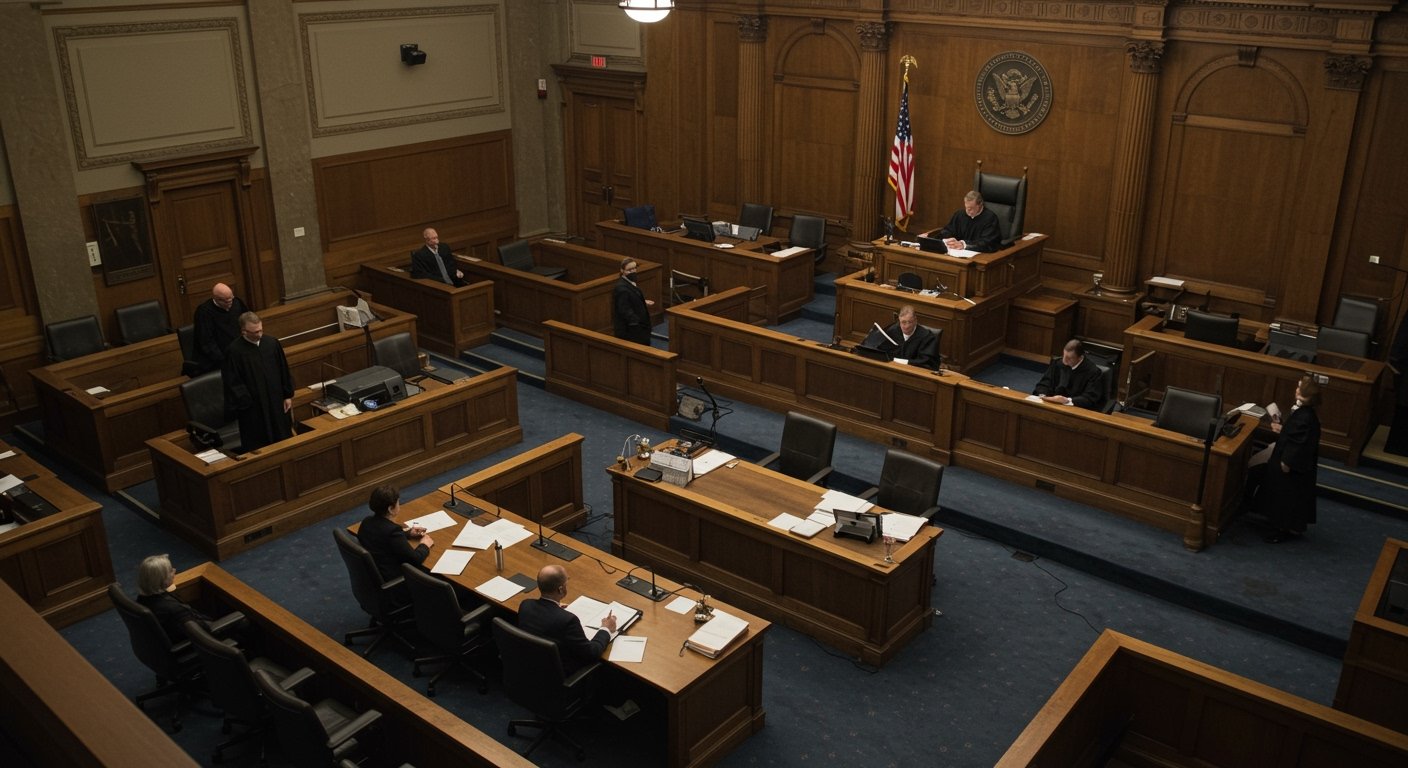
The defense team now faces the monumental task of deconstructing the state’s narrative. Historically, defense strategies in such long-standing cold cases often hinge on issues of witness credibility, the degradation of memories over nearly three decades, and the lack of “smoking gun” physical evidence that directly places the defendant in the vehicle at the exact moment of the trigger pull.
Counsel for Davis is expected to probe the consistency of witness accounts, particularly those who have come forward years after the event. Furthermore, the defense may challenge the admissibility or the context of Davis’s past admissions. In a trial of this magnitude, the defense’s primary objective is to cultivate reasonable doubt. They must convince the jury that the prosecution’s theory—while compelling—is built upon a web of circumstantial inference rather than direct, immutable facts. The defense’s approach to whether Davis will take the stand remains the most anticipated tactical decision of the trial, as it carries immense risk alongside the potential to humanize the defendant for the jury.
The Legacy of the 1996 Investigation
The trial has shed new light on the complexities the LVMPD faced during the 1990s. The investigation was hampered by the “no-snitching” culture that permeated the environment and the sheer difficulty of penetrating the inner circles of the Southside Compton Crips. As evidence emerged in court, it became clear how significantly the landscape of witness cooperation has changed over the years. The willingness of associates to speak, coupled with the prosecution’s ability to leverage historical confessions, has fundamentally altered the strength of the state’s position. This trial serves as a definitive case study in how forensic technology and strategic investigative persistence can eventually bridge the gap between a decades-old crime and the courtroom, even when the trail seems hopelessly cold.
Historical and Cultural Implications
Beyond the courtroom, the proceedings carry heavy weight for the music community and the public. Tupac Shakur was more than a rapper; he was a cultural architect whose influence continues to shape hip-hop today. The closure of this trial, regardless of the verdict, provides a measure of finality that fans have sought since the 1990s. It forces a reckoning with a violent era in hip-hop history, acknowledging the loss of a generational talent while navigating the difficult legal realities of the past. As the defense begins its work, the courtroom serves as a stage where the blurred lines between myth and reality are finally being brought into sharp focus by the mechanisms of the justice system.
FAQ: People Also Ask
1. What is the main charge against Duane Davis?
Duane “Keffe D” Davis is charged with murder with the use of a deadly weapon, specifically for his alleged role in orchestrating the 1996 shooting death of Tupac Shakur in Las Vegas.
2. Why did it take so long to bring this case to trial?
Investigating the murder was stalled for decades due to a lack of witness cooperation, the complexity of street-gang dynamics, and limited initial forensic evidence. It was not until the LVMPD gained new leads and re-examined existing testimonies in recent years that a viable prosecution case could be built.
3. Is Duane Davis a member of the Southside Compton Crips?
Prosecutors have identified Davis as a prominent figure and leader within the Southside Compton Crips, which is central to their theory regarding the motive and organization of the 1996 shooting.
4. What happens next in the trial?
The defense is now tasked with presenting their case. They will have the opportunity to call witnesses, present evidence, and cross-examine the state’s previous arguments. After the defense rests, both sides will deliver closing arguments before the case is handed to the jury for deliberation.