A commercial vessel was struck by an unidentified projectile while transiting 18 nautical miles east of Khasab, Oman, earlier today, resulting in an onboard fire that necessitated an immediate emergency response. While the blaze was successfully extinguished and the crew remains safe and accounted for, the incident marks a significant escalation in maritime volatility within the critical waters near the Strait of Hormuz. This event occurs amidst a backdrop of heightened regional instability, characterized by continued Houthi-led operations in the region and high-level security consultations between US CENTCOM leadership and Israeli officials.
Key Highlights
- Incident Location: A merchant vessel was hit by a projectile 18 nautical miles off the coast of Khasab, Oman.
- Damage Assessment: The strike resulted in a fire on the vessel, which the crew successfully extinguished; no injuries or casualties were reported.
- Regional Context: The attack coincides with ongoing maritime operations attributed to Yemen’s armed forces.
- Diplomatic Response: US CENTCOM chief has arrived in Israel for urgent, high-level security talks regarding regional defense posture.
The Maritime Flashpoint: Escalating Instability in the Gulf of Oman
The incident 18 nautical miles east of Khasab serves as a stark reminder of the fragile security environment currently paralyzing one of the world’s most vital energy corridors. The proximity of the strike to the Strait of Hormuz—a chokepoint through which approximately 20% of the world’s total oil consumption passes—elevates the geopolitical stakes of the event. While the fire was contained and the vessel’s crew is safe, the tactical nature of the strike suggests a sophisticated, persistent threat to international shipping lanes.
Tactical Assessment of the Khasab Incident
The attack underscores a shift in maritime warfare tactics. By targeting a vessel at this specific coordinate, operators are demonstrating the ability to project force deep into the Gulf of Oman, bypassing traditional defensive perimeters. Military analysts note that the use of projectiles against moving commercial targets requires a level of intelligence and targeting capability that significantly complicates naval patrols. The rapid containment of the fire by the crew indicates standard safety protocols are currently holding, but the psychological impact on maritime insurance and commercial transit reliability is immediate and profound.
Regional Implications of Houthi Maritime Strategy



Simultaneous with this attack, Yemen’s armed forces have intensified operations against Houthi targets, aiming to curb the group’s influence and maritime capabilities. The coordination of these anti-Houthi operations with the broader regional security framework indicates that nations are pivoting toward a more aggressive containment strategy. The Houthi threat has evolved from localized asymmetric warfare into a systemic disruption of global supply chains. By engaging in these operations, regional powers are attempting to reclaim control over the Red Sea and Gulf of Oman approaches, though the kinetic risks remain high.
The CENTCOM-Israel Security Nexus
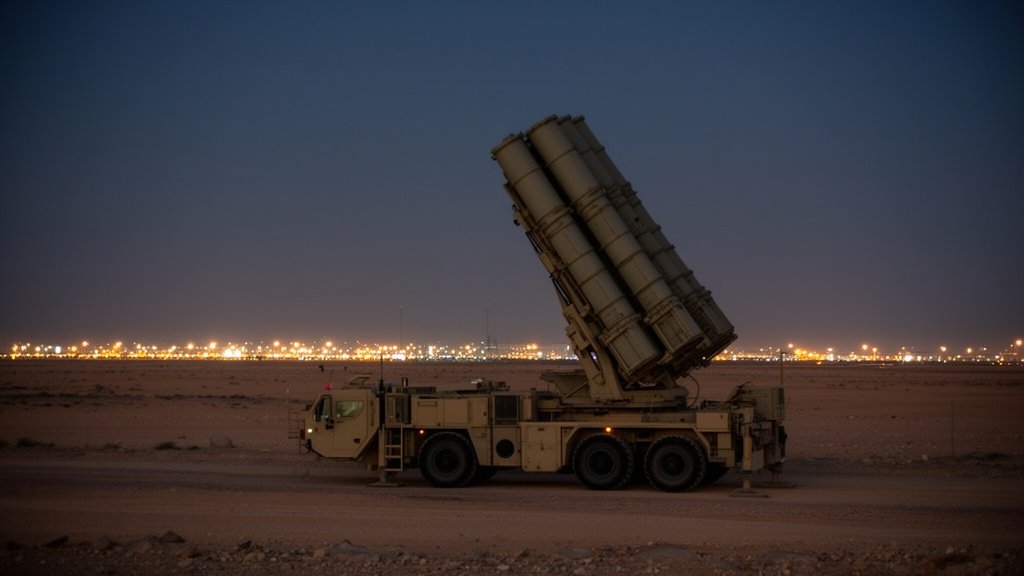
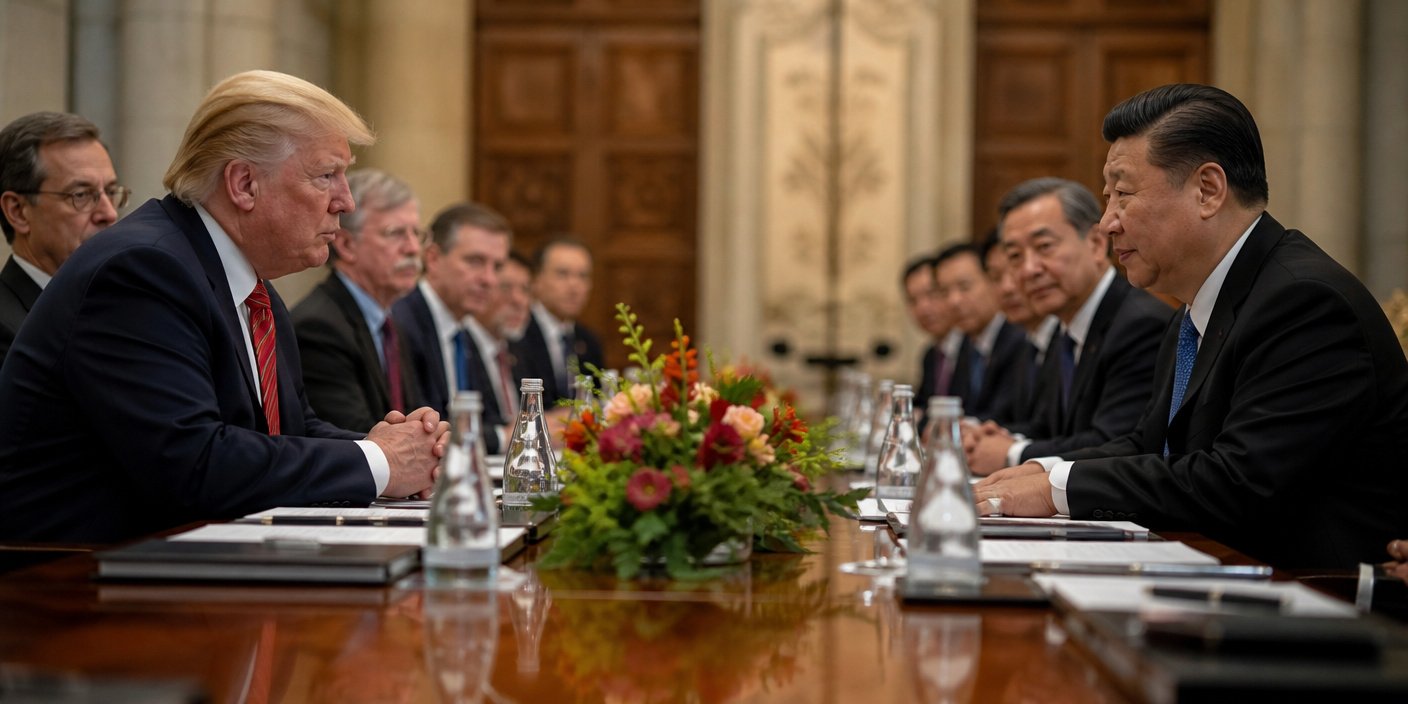
Perhaps most indicative of the impending strategic shifts is the recent visit by the US CENTCOM chief to Israel. This high-level dialogue focuses on synchronizing defensive postures against an increasingly coordinated array of threats. CENTCOM’s direct involvement signals that Washington views the security of these shipping lanes as an extension of broader national security interests. Discussions likely revolve around integrated air and missile defense systems, intelligence sharing, and the deployment of naval assets to deter further maritime aggression. This partnership is essential for maintaining the status quo of freedom of navigation in the region.
Economic Consequences and Global Shipping Risks
The cumulative effect of these incidents is a hardening of the maritime insurance market. Shipping companies are increasingly factoring in “war risk premiums” for vessels transiting the Gulf of Oman and the Red Sea. Furthermore, the threat of recurring projectile strikes is compelling some major shipping conglomerates to reconsider route viability, potentially leading to longer transit times around the Cape of Good Hope. The economic ripple effects—ranging from increased fuel costs to potential delays in the global supply chain—are direct byproducts of this regional volatility. If the cadence of such strikes continues, we may see a sustained increase in consumer prices for energy and imported goods.
Future Outlook: Deterrence and Naval Posture
Looking ahead, the strategy of deterrence will likely dominate military discourse. Navies operating in the region are expected to increase escort operations and utilize enhanced radar surveillance to detect incoming projectiles. However, achieving absolute security in such a vast maritime theater is nearly impossible. The ongoing tension between the necessity of commercial flow and the reality of regional military conflict suggests a “new normal” where risk management becomes the primary cost of doing business for maritime operators. Success will depend on the effectiveness of US-led security initiatives and the ability of regional actors to neutralize the launch capabilities of opposing forces.
FAQ: People Also Ask
Is the Strait of Hormuz currently safe for maritime transit?
While the Strait of Hormuz remains open, the heightened security environment means transit carries an elevated risk profile. International maritime security bodies advise vessels to maintain high vigilance, review safety protocols, and keep close communication with regional naval coalitions.
What is the primary objective of the US CENTCOM chief’s visit to Israel?
The visit is primarily aimed at aligning US and Israeli defense strategies to counter the expanding regional threat landscape. This includes discussing intelligence sharing, ballistic missile defense coordination, and enhancing naval cooperation to protect shipping lanes from asymmetric attacks.
How does this projectile attack impact global oil prices?
The incident contributes to market anxiety regarding energy supply stability. While oil prices may see short-term volatility, the market’s reaction is heavily dependent on the assessment of whether these attacks pose a systemic threat to the daily flow of oil through the Strait of Hormuz.