In a day marked by escalating international conflict and significant political upheaval, the United States military launched strikes on Iran’s coast, deploying 5,000-pound bunker-buster bombs near the Strait of Hormuz to target Iranian anti-ship cruise missiles. These strikes occurred amidst ‘Operation Epic Fury,’ initiated by Iran’s blockade of the vital waterway, which has impacted global maritime energy trade and sent oil prices soaring above $100 per barrel. The GBU-72 Advanced 5K Penetrator, a munition designed to destroy deeply buried and fortified targets, was reportedly used for the first time in combat.
Resignation Shakes US National Security
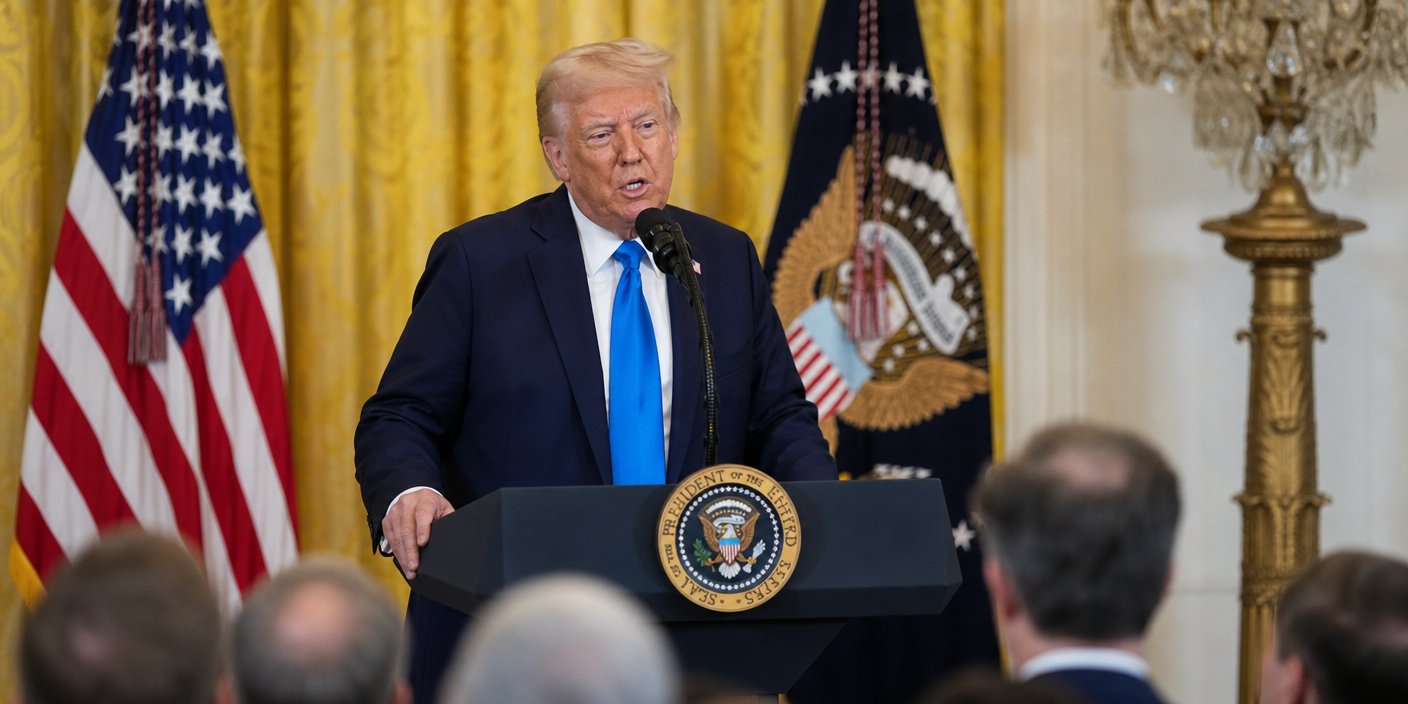
The escalating conflict in Iran led to a significant internal political development as Joe Kent, the Director of the US National Counterterrorism Center, announced his resignation. In a letter addressed to President Trump, Kent stated that he could not “in good conscience support the ongoing war in Iran,” asserting that “Iran posed no imminent threat to our nation” and that the war was initiated due to “pressure from Israel and its powerful American lobby.” Kent is the highest-ranking official to publicly break with the White House over the war. The White House, in response, sought to distance itself from Kent, with press secretary Karoline Leavitt stating he was not involved in the President’s Daily Briefings and had not been seen at the White House for some time. President Trump, for his part, dismissed Kent’s concerns, characterizing him as “weak on security.”
Global Ripples: Cuba and Venezuela
Beyond the immediate conflict in the Middle East, the day’s events cast a shadow over other regions. Cuba’s 10 million residents experienced a nationwide blackout lasting over 29 hours, attributed to a US energy blockade that has cut off fuel supplies. While power was eventually restored, officials warned that shortages might persist due to insufficient electricity generation. The US, under President Trump, has intensified pressure on the Cuban government, with threats of tariffs and a desire to see the current regime toppled.
In Venezuela, amidst significant political turmoil following the US invasion and arrest of President Nicolás Maduro in January, the national baseball team achieved a stunning 3-2 victory over the United States in the World Baseball Classic final. The win, celebrated widely in Venezuela, offered a moment of national pride against a backdrop of geopolitical tension, with President Trump himself commenting on the country’s recent positive developments.
The Human Cost of Conflict
The wider war involving the United States, Israel, and Iran has resulted in a significant human toll across the region. Casualty figures, though not fully finalized, paint a grim picture. As of early March 2026, initial reports indicated over 1,200 to 1,444+ killed in Iran, 13 US service members, and 12-15 people in Israel. Hundreds have been killed in Lebanon, with fatalities also reported in Syria and the UAE. In addition to the fatalities, over 18,000 have been injured in Iran, and more than 200 US troops have been wounded.
Escalation in the Strait of Hormuz and Shifting Alliances
The deployment of the 5,000-pound bunker-buster bombs by the US military marks a significant escalation in the conflict near the Strait of Hormuz. These GBU-72 Advanced 5K Penetrator munitions are designed to overcome hardened, deeply buried targets, underscoring the US’s objective to neutralize Iran’s anti-ship missile capabilities. The Strait of Hormuz, a critical global chokepoint for oil transport, has been effectively blockaded by Iran in retaliation for the ongoing war, leading to a sharp increase in global oil prices and disruptions to international shipping. This military action is intrinsically linked to the broader geopolitical landscape, with Iran’s actions being a response to the US-Israeli war.
The Geopolitics of Resignation: Kent’s Accusations
Joe Kent’s resignation as Director of the National Counterterrorism Center reverberates beyond his personal decision. His explicit accusation that the war was driven by Israeli pressure and a powerful American lobby directly challenges the administration’s stated rationale for military engagement. This assertion, coming from a senior security official, has ignited debate and scrutiny over the true motivations behind the US-Iran conflict. The fallout from his resignation highlights a deep division within the US national security apparatus regarding the strategy and justification for the war.
Cuba’s Energy Crisis and US Pressure




The nationwide blackout in Cuba, lasting over 29 hours, serves as a stark illustration of the impact of US foreign policy on the island nation. The US energy blockade, coupled with broader sanctions, has severely hampered Cuba’s ability to secure fuel for its power plants, exacerbating an already critical energy crisis. President Trump’s administration has made its intentions clear, aiming to topple the Cuban government through intensified pressure, including threats of tariffs. The restoration of power, while a relief, is temporary, with officials warning of continued shortages due to insufficient generation capacity.
Venezuela’s Triumph Amidst Political Strife
The World Baseball Classic final, where Venezuela defeated the United States, occurred under the shadow of a US invasion and the subsequent arrest of Venezuelan President Nicolás Maduro. Despite the political tensions and the broader instability in the region, Venezuela’s victory provided a significant morale boost to its populace. The event, played in a highly charged atmosphere, underscores the complex interplay between international sports and geopolitical events.
FAQ: People Also Ask
Q1: What were the 5,000 lb bunker buster bombs used by the US against Iran?
A1: The US military deployed 5,000-pound bunker-buster bombs, identified as GBU-72 Advanced 5K Penetrator munitions, along Iran’s coast near the Strait of Hormuz. These bombs are designed to destroy deeply buried and fortified targets, specifically to neutralize Iranian anti-ship missile sites.
Q2: Why did Joe Kent resign as Director of the National Counterterrorism Center?
A2: Joe Kent resigned due to his strong opposition to the US war in Iran. He stated that Iran posed no imminent threat and that the war was initiated due to pressure from Israel and its American lobby.
Q3: What caused the blackout in Cuba?
A3: The nationwide blackout in Cuba was caused by a US energy blockade that has restricted fuel supplies to the island, leading to insufficient electricity generation.
Q4: Who won the 2026 World Baseball Classic?
A4: Venezuela won the 2026 World Baseball Classic, defeating the United States 3-2 in the final.
Q5: What are the reported casualty figures from the US-Israeli war on Iran?
A5: Initial reports for March 2026 indicate over 1,200-1,444+ killed in Iran, 13 US service members killed, and 12-15 killed in Israel, with hundreds killed in Lebanon, and fatalities in Syria and the UAE. Over 18,000 were injured in Iran, and more than 200 US troops were wounded.