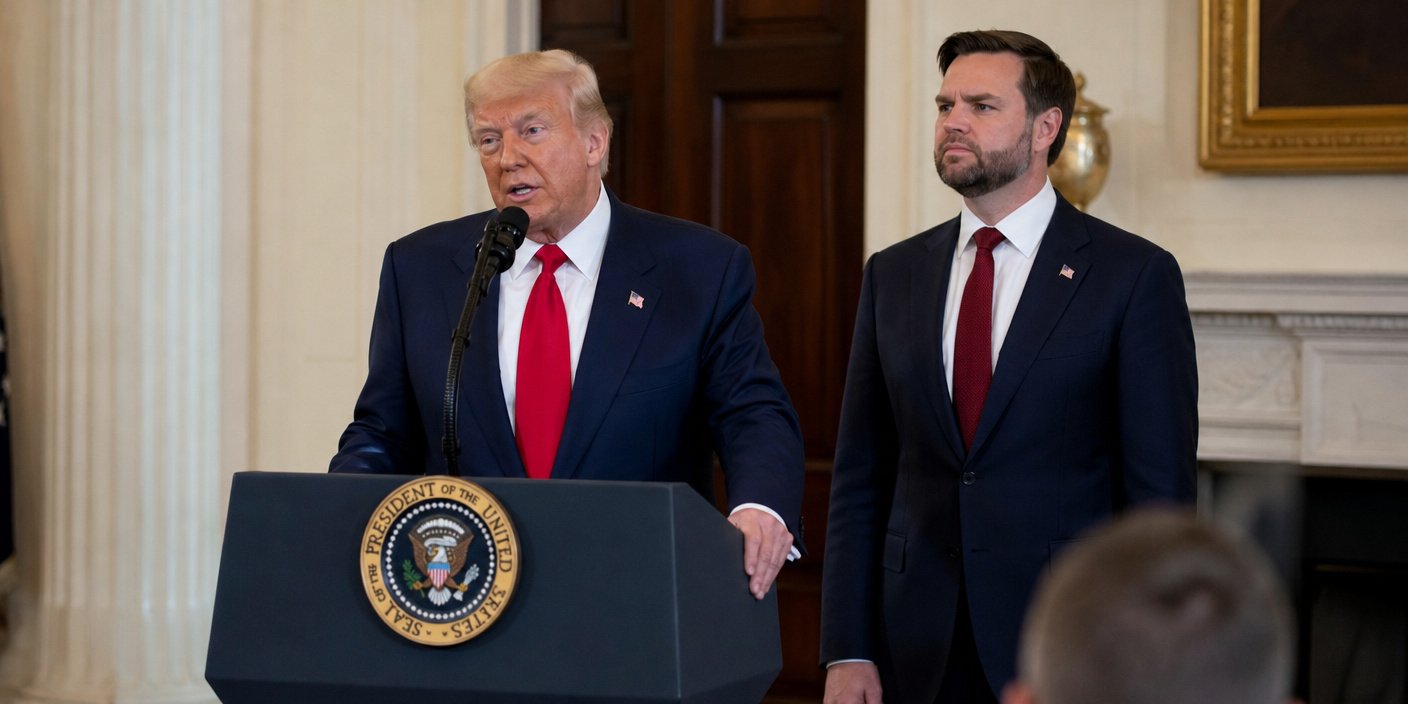
Former President Donald Trump is scheduled to deliver a primetime address on Thursday evening, with the central theme of elections, potentially revisiting unsubstantiated claims of fraud from the 2020 election and advocating for more stringent federal voting rules. This address is planned as the November midterm elections approach, a period where Trump has consistently emphasized voting regulations as a cornerstone of his political agenda. He has previously utilized such high-profile speaking opportunities for politically charged messages, and his focus on election integrity includes calls for legislation mandating voter ID and placing limitations on mail-in voting. Trump has also continued to cast doubt on past election outcomes, referencing baseless allegations of voter fraud that were notably present in the Los Angeles mayoral primary.
Key Highlights:
- Focus on Election Integrity: Trump’s primetime address will center on his views regarding election processes and security.
- Revisiting 2020 Claims: The speech is expected to include a re-examination of past claims concerning the 2020 election’s integrity.
- Advocacy for Stricter Rules: Trump plans to promote federal legislation for enhanced voting regulations, including voter ID requirements and restrictions on mail-in ballots.
- Midterm Election Context: The address is strategically timed to influence the upcoming November midterm elections.
Trump’s Election Integrity Platform and Primetime Address
Former President Donald Trump’s upcoming primetime address marks another significant moment in his sustained campaign to reshape election laws and narratives surrounding electoral processes in the United States. Scheduled for Thursday evening, the speech is anticipated to be a platform for him to articulate his vision for election integrity, a topic that has been a recurring and prominent feature of his political discourse since the 2020 presidential election. Sources indicate that Trump intends to potentially revisit and reinforce his claims of widespread fraud in the 2020 election, despite a lack of substantiating evidence that has been upheld in courts or by election officials. This focus is directly tied to his ongoing advocacy for stricter federal voting regulations, which he aims to see implemented before the crucial November midterm elections.
The Mechanics of Trump’s Electoral Advocacy
Trump has consistently championed specific legislative changes designed to bolster what he describes as election security. Among his primary demands are the implementation of universal voter ID laws, requiring identification from all voters. Additionally, he has been a vocal critic of mail-in voting, advocating for significant limitations on its use. This dual approach—challenging past election results while pushing for future reforms—forms a core part of his political strategy. His public addresses, particularly those delivered in primetime slots, have historically served as powerful conduits for disseminating his political messages and rallying his base. The current political climate, with the approaching midterms, provides a critical juncture for him to mobilize support around these issues.
Broader Political and Geopolitical Context


While the focus of his address is on domestic election matters, the timing also comes amidst other significant challenges. Trump faces ongoing complexities in foreign policy, including a collapsing deal to end the war with Iran, and domestic issues such as addressing recent actions by Immigration and Customs Enforcement officers. However, his consistent return to the theme of election integrity underscores its centrality to his political identity and his base’s concerns. He has continued to cast doubt on election results in various contexts, with recent examples including baseless claims of voter fraud surfacing in the Los Angeles mayoral primary, illustrating the persistent nature of these assertions across different electoral cycles and geographies.
Historical Precedents and Future Implications
The emphasis on election integrity by Trump is not new; it has been a defining characteristic of his presidency and post-presidency. He has repeatedly sought to frame electoral outcomes he disputes as illegitimate, a strategy that has had profound implications for public trust in democratic institutions. His calls for federal legislation on voting rules aim to standardize and strengthen what he perceives as vulnerabilities in the current system. This push for federal oversight in election administration, a traditionally state-controlled domain, represents a significant potential shift in American electoral governance. The discourse surrounding these issues is likely to remain a dominant feature of the political landscape as the midterms draw nearer, influencing campaign strategies and voter engagement.
Analysis of Trump’s Rhetoric on Election Fraud
Despite numerous audits, recounts, and legal challenges that have consistently failed to produce evidence of widespread fraud sufficient to alter election outcomes, Donald Trump has persisted in his claims. His rhetoric often employs broad assertions without presenting specific, verifiable data, leading to concerns among election security experts and civil liberties advocates about the erosion of public confidence in democratic processes. The “Log Cabin Republicans” of the Los Angeles County have been among those who have continued to echo concerns about election integrity, even as official reviews have found no evidence of widespread fraud in the primary elections they are referring to. The persistent questioning of electoral legitimacy, particularly when amplified by a figure with significant public influence, poses a challenge to the foundational principles of democratic governance.
FAQ: People Also Ask
Q1: What is the main focus of Donald Trump’s primetime address?
A1: The main focus of Donald Trump’s primetime address is on election integrity, potentially revisiting claims of fraud from the 2020 election and advocating for stricter federal voting rules.
Q2: When is this primetime address scheduled to take place?
A2: The address is scheduled for Thursday evening.
Q3: What specific voting regulations is Trump advocating for?
A3: Trump is advocating for federal legislation that includes requirements for voter ID and limitations on mail-in voting.
Q4: Has Trump made similar claims about election fraud before?
A4: Yes, Trump has previously used such addresses for politically charged speeches and has continued to cast doubt on election results, referencing baseless claims of voter fraud in instances like the Los Angeles mayoral primary.
Q5: What is the broader political context for this speech?
A5: The speech comes as Trump faces other challenges, including a collapsing deal to end the war with Iran, and addresses recent shootings by Immigration and Customs Enforcement officers, but its primary emphasis is on election integrity ahead of the November midterm elections.