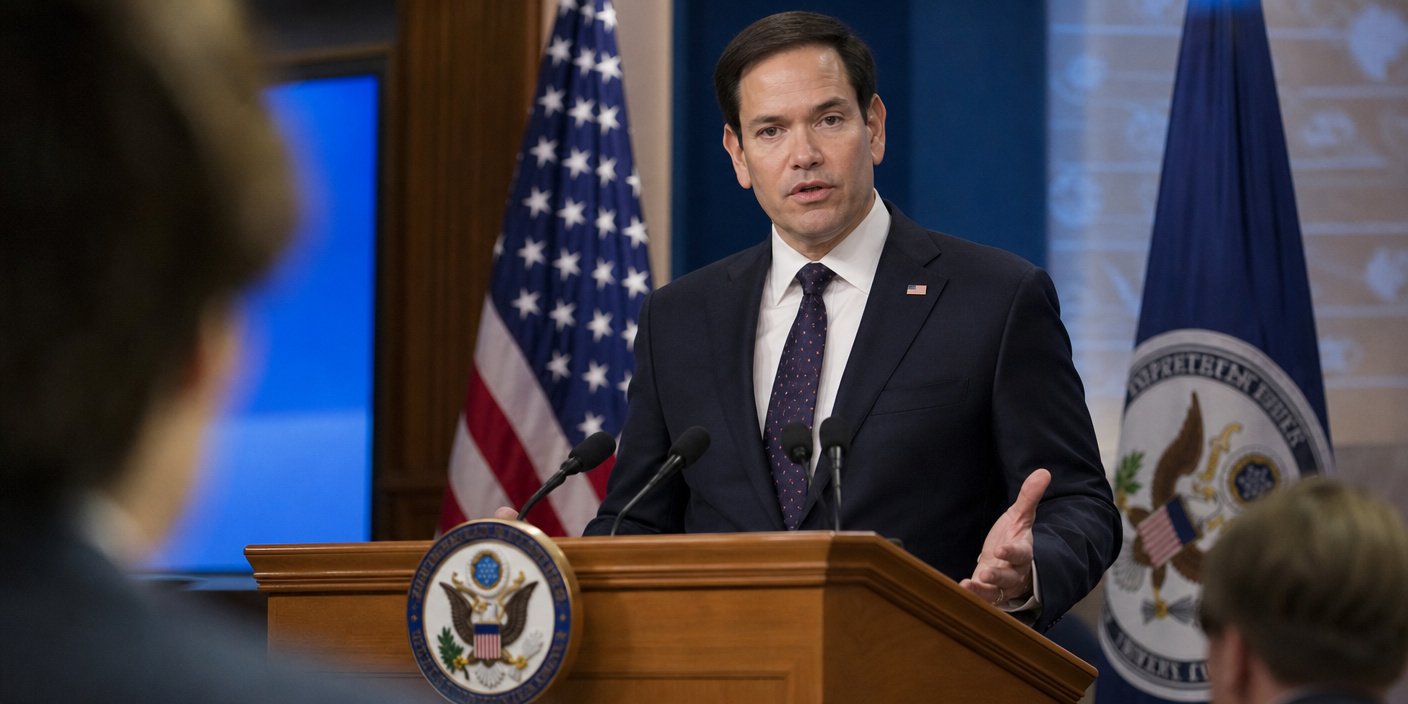
Former President Donald Trump made his arrival at the G7 summit, immediately drawing attention with remarks on international policy, particularly his past dealings regarding the Iran nuclear deal and his stated ambitions for resolving the conflict in Ukraine.
Key Highlights:
- Trump highlighted his past approach to the Iran nuclear deal.
- He reiterated his ambition to broker a resolution to the Ukraine conflict.
- His arrival signaled a significant presence at the international gathering.
Trump at the G7: A Look Back and Forward


Donald Trump’s appearance at the G7 summit has sparked considerable discussion, with the former President offering insights into his foreign policy perspectives, notably touching upon his administration’s stance on the Iran nuclear deal and his vision for addressing the ongoing war in Ukraine. His presence at such a high-profile international forum inevitably brings his past diplomatic achievements and proposed future strategies to the forefront of global conversations. The summit provides a platform for world leaders and influential figures to engage on critical geopolitical issues, and Trump’s remarks indicate a continued focus on matters he considers central to American interests and global stability.
The Iran Nuclear Deal: A Point of Contention
The Iran nuclear deal, officially known as the Joint Comprehensive Plan of Action (JCPOA), was a landmark agreement negotiated during the Obama administration aimed at limiting Iran’s nuclear program in exchange for sanctions relief. The Trump administration withdrew from the deal in 2018, arguing it was insufficient and too lenient on Iran. Trump’s recent comments at the G7 suggest a continued belief in his administration’s approach, potentially hinting at a desire to revisit or re-evaluate such agreements should he re-enter the political arena. The implications of his stance on international diplomacy and the ongoing efforts to manage Iran’s nuclear capabilities remain a significant point of analysis for foreign policy experts. This historical context is crucial for understanding the nuances of his current pronouncements on the issue.
Ukraine Ambitions: A Path to Peace?
On the subject of Ukraine, Trump has consistently expressed a desire to negotiate an end to the conflict, often asserting that he could achieve peace more rapidly than current diplomatic efforts. His remarks at the G7 reinforce this narrative, suggesting a proactive and perhaps unconventional approach to de-escalation. While specific details of his proposed strategy remain largely undefined, his emphasis on direct negotiation and swift resolution contrasts with the more protracted diplomatic and military support strategies currently employed by many Western nations. The international community watches closely to see if his continued focus on this issue translates into any concrete proposals or influences the ongoing discussions among G7 leaders regarding sustained aid and peace initiatives for Ukraine.
Secondary Angles and Global Implications
Trump’s engagement at the G7 extends beyond specific policy points to broader implications for international relations and the future of global alliances. His “America First” philosophy, which characterized his presidency, often led to a re-evaluation of multilateral agreements and partnerships. His presence and remarks at the G7 could signal a potential shift in diplomatic tone and strategy, depending on the evolving geopolitical landscape. Furthermore, the economic ramifications of his proposed policies, particularly concerning trade and sanctions, warrant examination. The world is keen to understand how his perspectives might shape future international economic cooperation and stability. The summit itself is a forum where leaders discuss economic growth, climate change, and global health, and Trump’s participation adds a unique dimension to these discussions, potentially influencing the collective approach to these complex global challenges.
FAQ: People Also Ask
What is the G7?
The G7, or Group of Seven, is an intergovernmental political forum consisting of Canada, France, Germany, Italy, Japan, the United Kingdom, and the United States. It is composed of leading industrialized nations and meets annually to discuss global economic governance, international security, and energy policy, among other issues.
What was Donald Trump’s stance on the Iran nuclear deal?
During his presidency, Donald Trump withdrew the United States from the Iran nuclear deal in 2018, arguing that it was flawed and did not adequately prevent Iran from developing nuclear weapons. He pursued a policy of