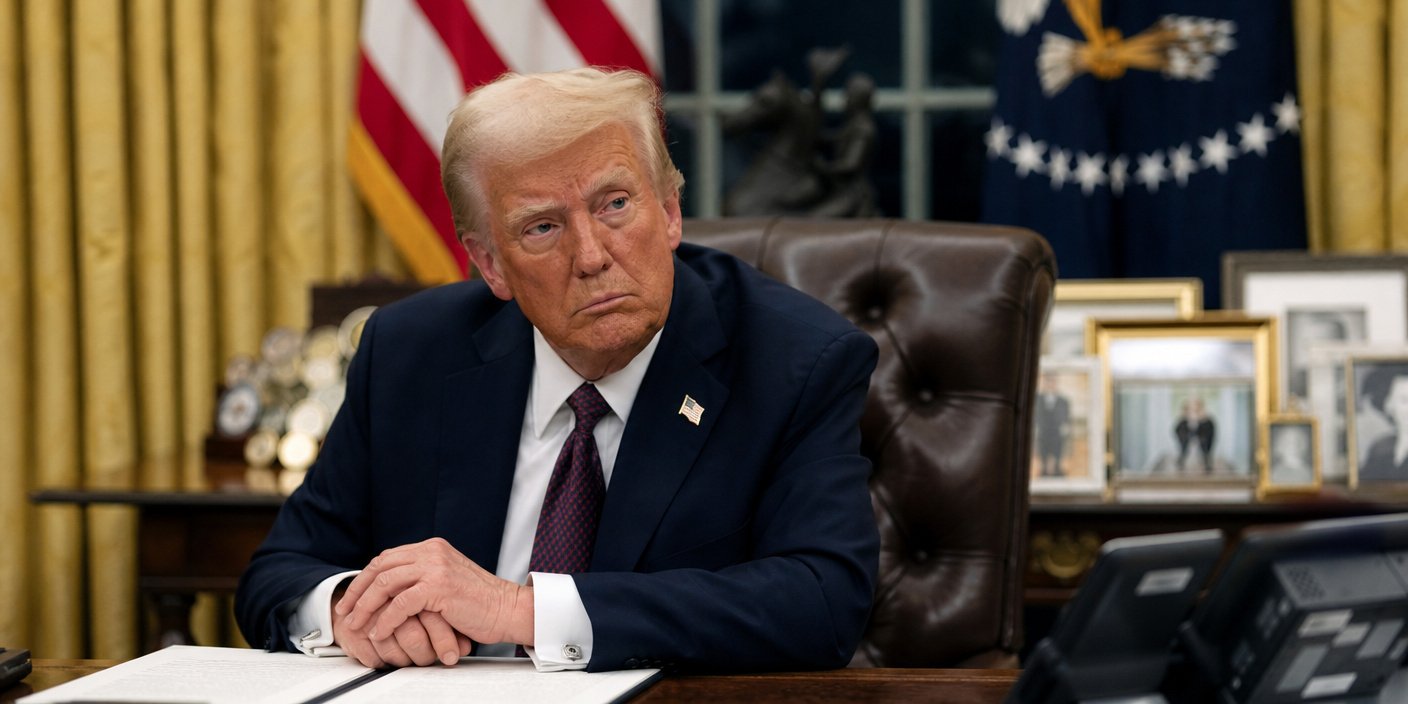
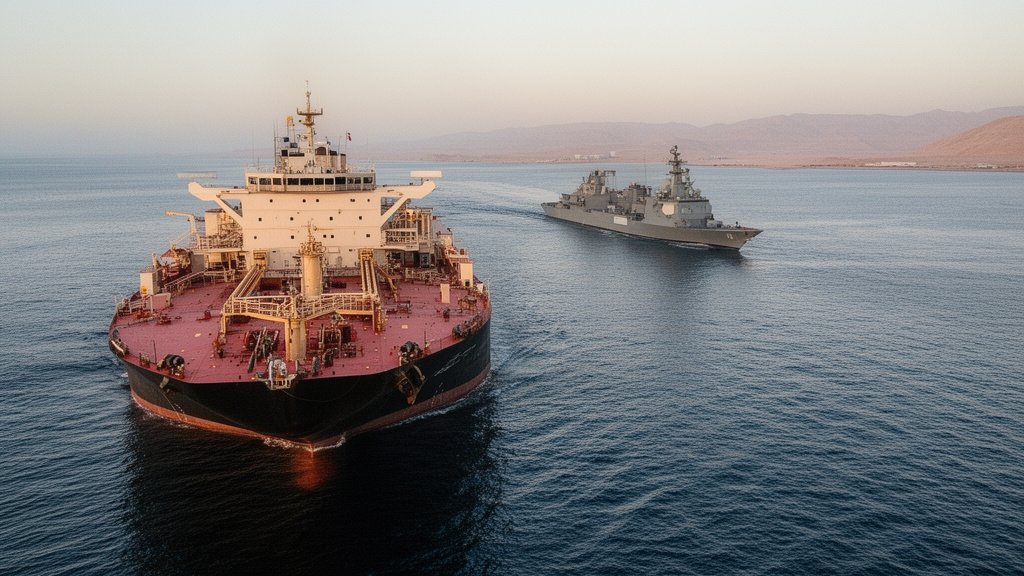
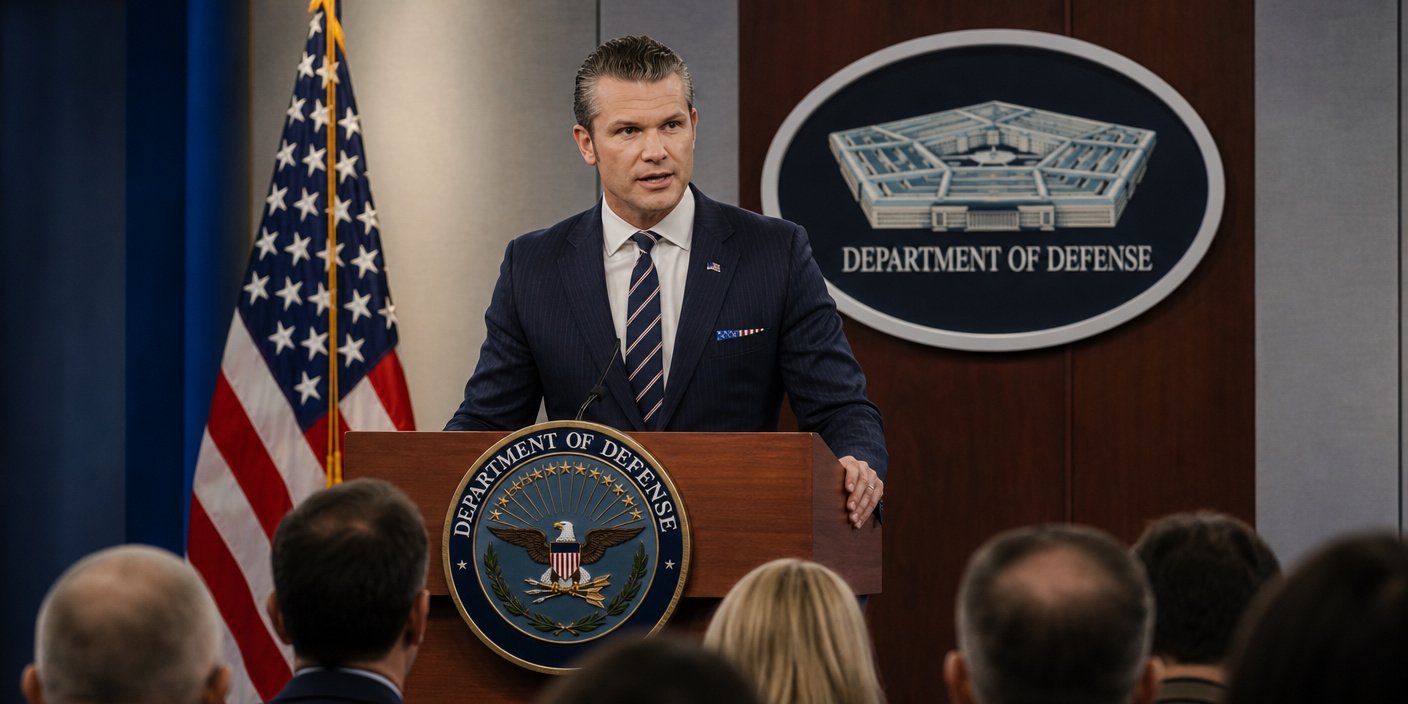
Former President Donald Trump asserted that the United States has “won” the war in Iran but stressed the necessity of “finishing the job,” in remarks that have sparked renewed debate over Middle East policy. These comments, made during a recent campaign rally, suggest a continuation of his “America First” foreign policy stance, emphasizing decisive military action coupled with a strategic withdrawal or redefined objective.
Key Highlights:
- Trump declared a “win” in the context of US involvement in Iran.
- He emphasized the need to “finish the job,” implying an incomplete mission.
- The remarks signal a continuation of his “America First” foreign policy approach.
- The statement has prompted discussion regarding future US strategy in the Middle East.
Trump’s Shifting Stance on Middle East Conflicts
The “Win” Declaration and its Implications
Donald Trump’s assertion of having “won” the war in Iran marks a significant, albeit ambiguous, declaration. Throughout his presidency and subsequent public statements, Trump has often expressed skepticism about protracted military engagements, frequently calling for a reduction in US troop presence abroad. His declaration of victory in the context of Iran, a nation with which the US has a complex and often confrontational relationship characterized by sanctions and proxy conflicts rather than a direct, declared war, raises questions about what specific conflict or phase he is referring to. It could allude to the “maximum pressure” campaign initiated against Iran, which involved crippling economic sanctions and increased diplomatic isolation, or perhaps the de-escalation of specific regional tensions during his tenure. The lack of a clear, defined “war” in Iran in the traditional sense makes this declaration open to interpretation, likely appealing to his base by framing past actions as successful.
“Finish the Job”: A Call for Further Action or Redefined Goals
The latter part of his statement, “but has to ‘finish the job,'” introduces a layer of strategic ambiguity. This phrase could be interpreted in several ways. It might suggest that while initial objectives have been met, there are lingering threats or unfinished business that require further attention, possibly through continued sanctions, diplomatic pressure, or even limited military deterrence. Alternatively, it could signal a desire to implement a more definitive strategy to ensure long-term regional stability or to counter perceived Iranian influence in neighboring countries. Given Trump’s past rhetoric, “finishing the job” could also imply a desire for a more decisive, perhaps unilateral, resolution to ongoing geopolitical challenges in the region, moving beyond the status quo.
Historical Context of US-Iran Relations

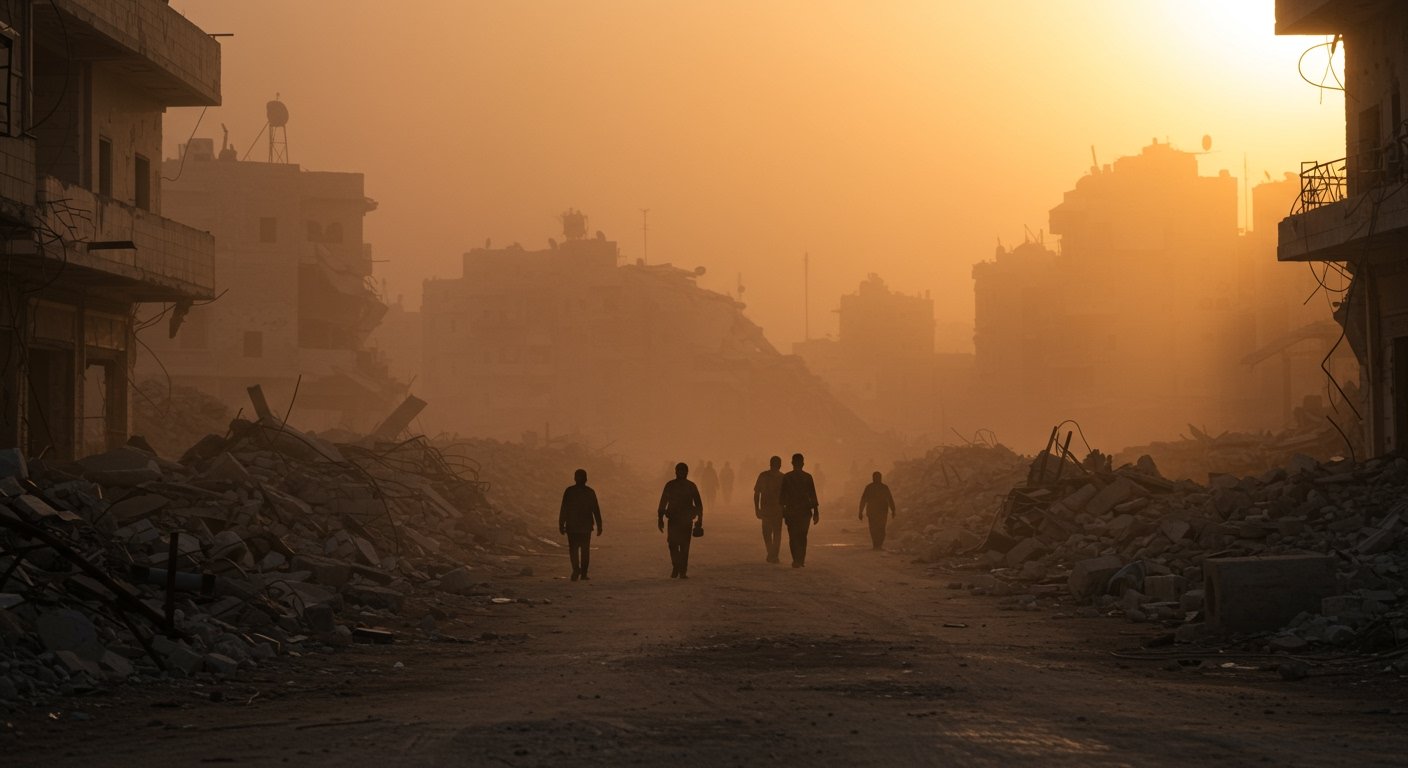

The United States and Iran have a decades-long history of complex and often adversarial relations, particularly after the 1979 Iranian Revolution. US foreign policy has oscillated between engagement and confrontation, with periods of intense diplomatic tension, economic sanctions, and military posturing. Trump’s “maximum pressure” campaign significantly escalated these tensions, withdrawing the US from the Joint Comprehensive Plan of Action (JCPOA) – the Iran nuclear deal – and imposing stringent sanctions aimed at crippling Iran’s economy. This period also saw heightened military activity in the Persian Gulf and the assassination of Qasem Soleimani, a prominent Iranian military commander. Trump’s current statements can be seen as a continuation of this assertive, albeit often isolationist, foreign policy doctrine, seeking to project strength while minimizing direct military entanglement.
Potential Economic and Geopolitical Ramifications
Any shift in US policy towards Iran, whether through increased pressure or a re-evaluation of objectives, carries significant geopolitical and economic implications. Iran’s role as a major oil producer and its influence in regional conflicts, such as those in Syria, Yemen, and Iraq, make its stability and foreign policy crucial for global energy markets and international security. Trump’s “America First” approach, if implemented rigorously, could lead to further economic isolation of Iran, potentially impacting global trade and energy prices. Furthermore, such policies could reshape alliances and influence the dynamics of regional power struggles, potentially creating new challenges or opportunities for other global actors.
Strategic Reassessment and Future Policy
Trump’s remarks invite a broader discussion about the long-term strategy for managing relations with Iran. Is the focus on containment through sanctions, a push for regime change, or a more pragmatic approach to regional de-escalation? The “finish the job” directive could signal a readiness to reassess existing strategies, potentially favoring outcomes that prioritize American interests above multilateral agreements or international consensus. This aligns with a broader trend in foreign policy discourse questioning the efficacy and sustainability of long-term military commitments and seeking more direct, results-oriented approaches. The ultimate impact of these statements will depend on whether they translate into concrete policy shifts should Trump return to the presidency.
FAQ: People Also Ask
What is the current state of the US war in Iran?
There is not a declared, conventional war between the United States and Iran. However, the two nations have been engaged in a prolonged period of intense geopolitical tension, economic sanctions, and proxy conflicts, often referred to by different administrations using terms like “maximum pressure” or “deterrence.”
What did Donald Trump mean by “won” the war in Iran?
It is open to interpretation. Trump has often expressed a desire to reduce US military involvement abroad and has previously declared success in his “maximum pressure” campaign against Iran through economic sanctions and diplomatic isolation. He may be referring to these non-military actions as a form of “winning.”
What does “finish the job” typically imply in Trump’s rhetoric?
In Trump’s political lexicon, “finish the job” generally implies completing a task or objective that he believes was left undone or was not fully realized. In foreign policy, it can suggest a need for more decisive action, a completion of strategic goals, or the implementation of policies he deems necessary for national interest.
What are the main points of contention between the US and Iran?
Key points of contention include Iran’s nuclear program, its ballistic missile development, its support for regional militant groups (such as Hezbollah and Hamas), its influence in countries like Syria and Iraq, and human rights issues within Iran. The US also opposes Iran’s adversarial stance towards Israel and its actions in the Strait of Hormuz.
How have US-Iran relations evolved over the years?
Relations have been largely adversarial since the 1979 Iranian Revolution. Key moments include the Iran hostage crisis, the Iran-Iraq War (where the US supported Iraq), the “maximum pressure” campaign under Trump, and the subsequent attempts by the Biden administration to revive the JCPOA. These relations are characterized by cycles of escalation and de-escalation.