The Middle East remains on a knife’s edge as the ongoing strategic standoff between the United States, Israel, and Iran enters a volatile new phase. As of April 2026, the intersection of proxy conflicts, intelligence operations, and direct military posturing has created a fluid and dangerous security environment. While open, total war has been avoided thus far, the margin for diplomatic error is narrowing as new regional alignments and localized escalations put immense pressure on global stability. Washington remains committed to a policy of deterrence, while Jerusalem continues to target perceived threats within the region, and Tehran continues to project power through its network of regional affiliates.
Key Highlights
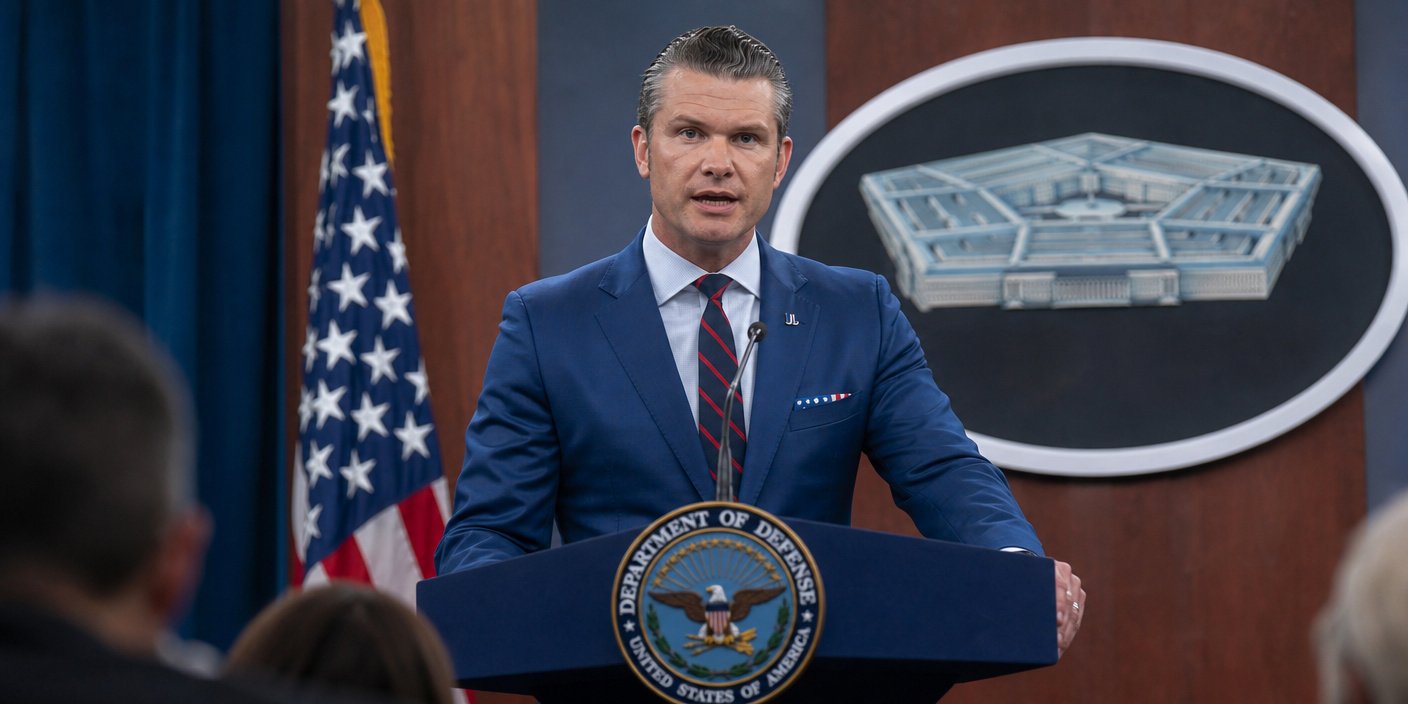
- Shifting Deterrence: The U.S. has bolstered its forward-deployed assets in the region, signaling a renewed commitment to containing Iranian regional influence.
- Intelligence & Proxy Wars: The conflict continues to manifest primarily through shadow operations and cyber-warfare, targeting logistics, infrastructure, and maritime navigation.
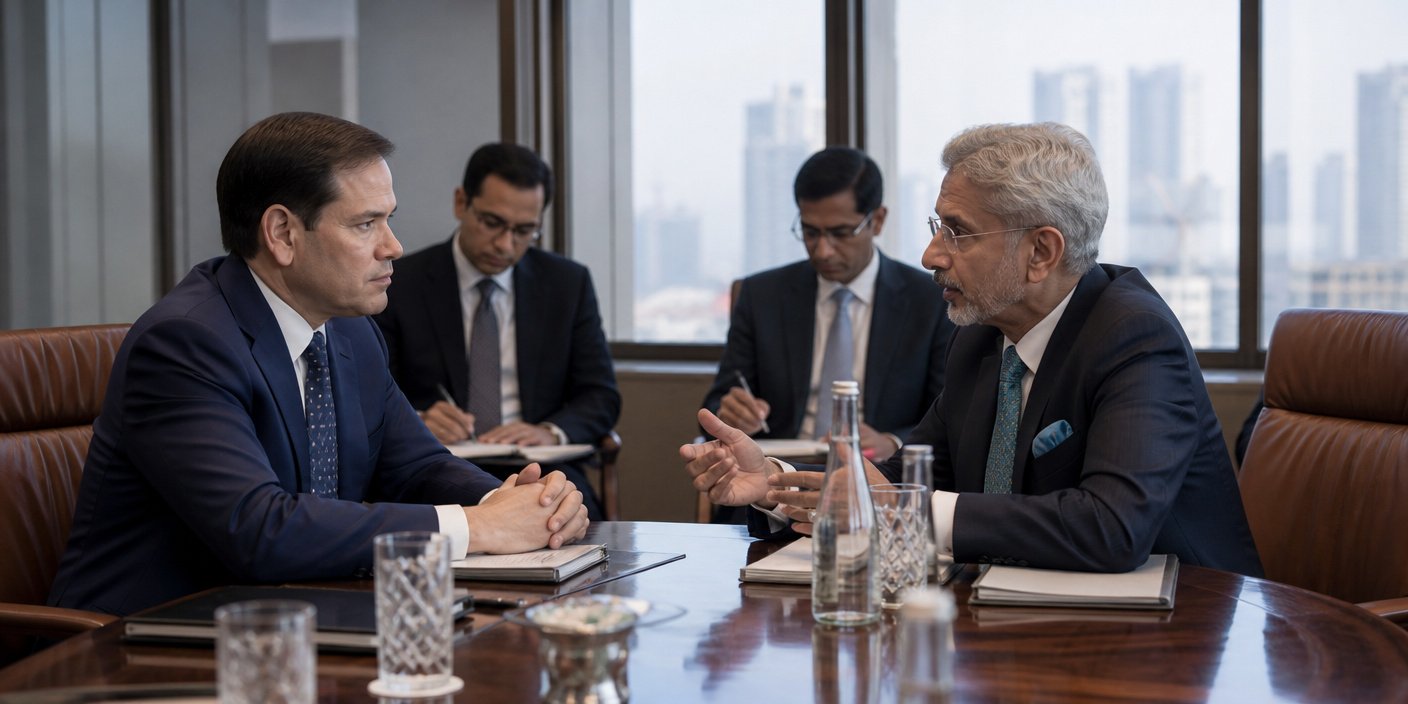
- Diplomatic Channels: Backchannel communications remain active but strained, as major powers struggle to find a framework to de-escalate without appearing weak to domestic or regional audiences.
- Economic Sensitivity: Global markets remain sensitive to any disruption in the Strait of Hormuz, with oil prices fluctuating in reaction to military maneuvers.
The Geometry of Regional Escalation
The current standoff is not a traditional war of borders, but a complex, multidimensional struggle for hegemony. It is defined by three primary vectors: conventional military deterrence, the battle for information dominance, and the economic war of sanctions and logistics.
The Strategic Triangle
At the core of the crisis is the evolving relationship between the three powers. Israel’s security doctrine has shifted toward preemptive action, focusing on degrading the capabilities of Iranian-backed groups before they can project force. For the United States, the challenge is maintaining its traditional role as a regional guarantor of stability while avoiding being pulled into a direct kinetic conflict that could have global repercussions. Tehran, meanwhile, continues to view its regional network as a defensive buffer against external interference, utilizing a strategy of ‘managed escalation’ to test the red lines of its adversaries.
The Maritime Chokepoint
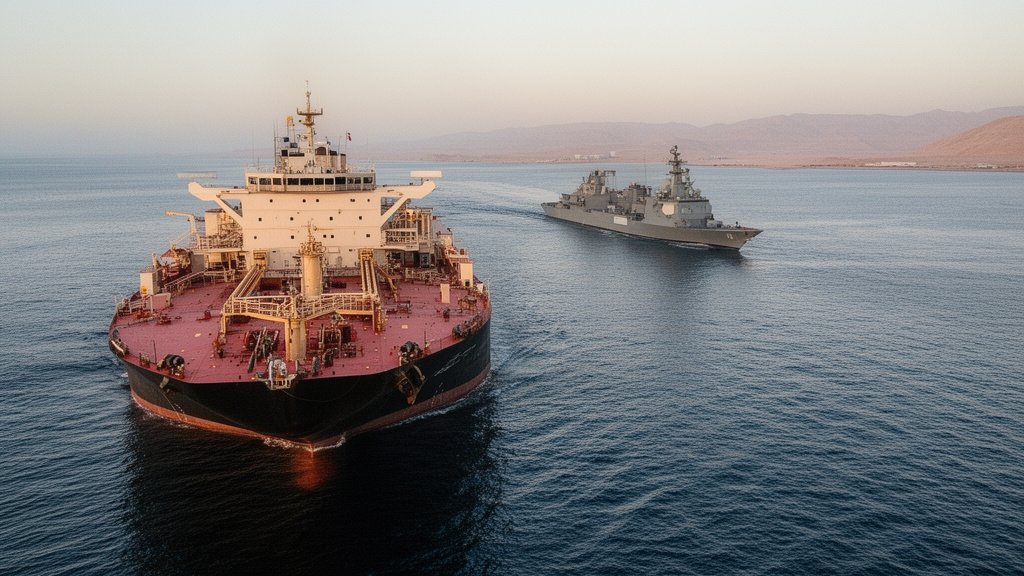
The Strait of Hormuz remains the single most critical tactical terrain in this geopolitical game. Roughly 20% of the world’s petroleum liquids pass through this narrow waterway. Any disruption here—whether through kinetic action or the credible threat of mine warfare—immediately translates into global economic volatility. Both the U.S. Navy and the Iranian Revolutionary Guard Corps (IRGC) maintain an almost constant presence in these waters, leading to frequent ‘unsafe’ encounters that keep military planners on high alert for accidental escalation.
The Role of Technology and Cyber Warfare




Beyond traditional munitions, the theater of conflict has expanded into the digital and orbital domains. Cyber-attacks on infrastructure, ranging from power grids to financial systems, have become a standard tool of influence. Furthermore, satellite intelligence and reconnaissance drones have made the battlefield more transparent than ever, reducing the element of surprise but increasing the intensity of the ‘OODA’ loop (Observe, Orient, Decide, Act) for military commanders on all sides.
Secondary Angles: Impacts and Future Predictions
To understand the full scope of this standoff, we must look beyond the immediate headlines and analyze the structural pressures shaping the future of the Middle East.
1. The Erosion of Energy Security
The energy market has become the unofficial barometer of this conflict. While the world transitions toward renewables, the current reality remains tethered to fossil fuels extracted from or transported through the Persian Gulf. Investors are now pricing in a ‘geopolitical risk premium’ that forces nations to accelerate energy diversification and stockpile reserves, fundamentally changing how global trade routes are planned and protected.
2. The Failure of Legacy Alliances
We are witnessing a slow disintegration of the status quo established in the late 20th century. The ‘Abraham Accords’ and other normalization efforts are being tested, forcing regional partners to choose between security provided by the U.S. and the economic reality of living alongside Iran. This is forcing a ‘multi-vector’ foreign policy approach where nations in the region try to maintain relationships with all sides, a strategy that is becoming increasingly unsustainable.
3. The Future of ‘Gray Zone’ Warfare
The current conflict is the blueprint for future warfare. We are moving away from total-war scenarios toward sustained, low-intensity ‘Gray Zone’ conflicts. This involves the use of proxies, cyber-attacks, economic coercion, and information warfare—methods that allow belligerents to inflict damage while maintaining plausible deniability. This ‘forever war’ is not a temporary anomaly; it is likely the new baseline for global geopolitics.
FAQ: People Also Ask
1. Are the United States and Iran currently at war?
No. While both nations engage in hostile posturing and have exchanged indirect fire through proxies or targeted regional actions, there is no state of direct, declared war between the United States and Iran.
2. What is the impact on global oil prices?
Prices fluctuate based on the perceived risk to shipping lanes, particularly the Strait of Hormuz. Any significant escalation in military activity typically causes an immediate, though sometimes temporary, spike in crude oil futures.
3. How is the United States balancing the conflict?
U.S. strategy focuses on deterrence, reinforcement of regional allies, and maintaining open lines of communication to prevent miscalculation, while simultaneously enforcing economic sanctions to limit Iranian resources.
4. What role do regional proxies play?
Proxies allow Iran to project power and engage in ‘deniable’ operations against Israeli or U.S. interests, effectively stretching the defensive resources of its adversaries without necessitating a direct response against Iranian sovereign territory.